For almost a decade, Alli Nicholas has been at the heart of the Bristol Creative Industries community as our membership manager. Dan Martin had a chat with Alli about her role, the benefits of membership, how to make the most of being a member and more.
“I spent 20 years in recruitment, the last 10 of which were with Bristol recruiter Liz Gadd. She ran a business called Goddard Gadd which I helped her set up. She sold and exited the business and I stayed. I then set up my own recruitment agency which in the end wasn’t for me.
“I used to recruit for Fraser Bradshaw, who at the time was the MD of McCann but has since set up saintnicks. We stayed in touch after I left Goddard Gadd. He was also CEO of Bristol Media (the former name of Bristol Creative Industries) and I was chatting to him one day and he said he needed somebody to encourage members to renew and keep on top of the admin side of things. I did that for 10 hours a week to start with, it increased to 20 hours and then became a full-time job. That was nine years ago.”
“I’ve always officially been the membership manager and that is very much about looking after the needs of the members, going out to find new members and talking to them about the organisation. But we are a very small team so I also get involved in everything else including organising and promoting events, dealing with logistics and helping with the content on the website and social media. Many people might look at the website and get the impression that there’s a big team of people behind it but we are a small team and we work in a very agile way.
“No two days are the same. That’s what makes it really enjoyable. I absolutely love what I do. I’m hugely passionate about BCI and what it stands for. Our members are from such a broad range of creative industries so I never get bored. One minute I can be talking to the likes of Aardman about what they’re doing and the next it’s a freelance member with the seed of an idea who is thinking about setting up a business. They’re poles apart but each is exciting in their own way.”
“If you’re asking me to pick my favourite member, that’s like picking my favourite child! Everybody’s doing great things in their own special way.
“Back in 2016, we ran a 10th anniversary event. We produced a book and asked members to submit the projects they were most proud of. I remember flicking through the book and thinking “I can’t believe this amazing work is coming out of Bristol”. Things like the Waitrose carrier bags at the time were designed by an agency in Bristol and the branding for the Royal Mint was designed by a company in the city.
“If I had to mention a few examples of our brilliant members though, one is Seeker Digital, a company named 25th in Deloitte’s Fast 50, which showcases the fastest-growing technology companies in the UK. I was told about them, got in touch and they became a member. It’s great to have a company like that as part of the community.
“Over the last few years, we’ve seen a lot of members focused on sustainability which is an important and very topical issue. One of them is Enviral, a comms agency that helps ethical brands get into the spotlight.
“What is particularly pleasing is when you see somebody who signs up as a freelance or start-up member and then goes through a journey of growth. A company that has done that is Atomic Smash. When they first joined it was just co-founders David Darke and Piers Tincknell. Now they’re a team of around 16 people and they have moved through the membership levels. It has been great to watch them grow.”
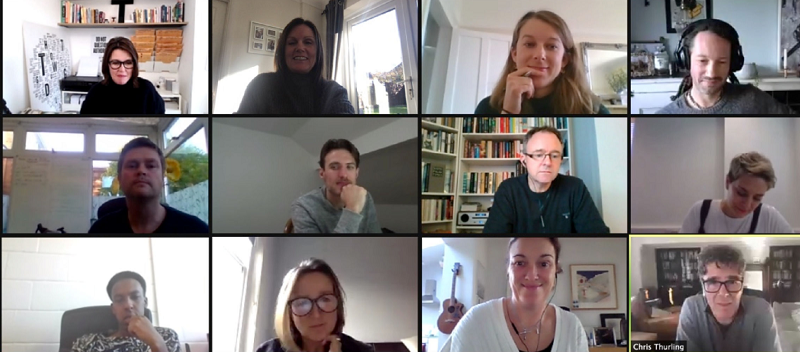
“I think first and foremost, we’re a connector. We say we help members to learn, grow, and connect. Connect is the key word here though because it’s through connecting that people learn and grow.
“We connect people on lots of different levels. It includes our jobs board where we connect job seekers to opportunities and businesses to new talent. We connect people through peer to peer networking at events where they can share their challenges. We connect businesses to one another for collaboration and also connect businesses to brands and agencies looking for their services
“We are a community of people who have a common interest of either working in or being interested in the creative industries in Bristol and surrounding area. We’re the central hub that brings everyone together.”
“As soon as lockdown hit, we recognised the need to connect people so that they didn’t feel completely isolated. We launched a Pay It Forward campaign and encouraged members, and some non-members, to step up and offer support and guidance. We had a regularly updated blog post with offers of free help including mentoring, coaching and tips on how to manage cashflow.
“We also did a number of virtual events throughout lockdown. We had never done virtual events before so having to suddenly put on online events was a steep learning curve for us. But actually, it worked really well and they were very popular.
“We did lots of COVID-19 crisis management workshops including how to deal with clients who were reneging on their contracts, the government financial support that was available and tips on how to manage staff remotely and deal with the furlough process. We also did a preparing for recovery seminar, which was so popular that we ended up running it three times.
“People had varied challenges but we were essentially all in the same boat and navigating the same storm so we were keen to help members.”
“There are lots of different drivers for why people decide to join Bristol Creative Industries. For many people, it’s the jobs advertising on our jobs board. As a member, you get unlimited free job advertising on what is the go-to board for creative industry roles in the South West.
“There are also company branding and profiling raising opportunities with the ability to create a profile on the website and appear in the Bristol Creative Industries member directory. It is used by lots of brands looking for the services that our members offer.
“As a member, you can self-publish content on the website as often as you like. That content sits on your own profile and we promote the best posts to the homepage and main news feed and share some on our social media channels and monthly newsletter. If you’re doing some work that you’re particularly proud of, you have great client case studies or you have some thought leadership or business advice, it can all go on the website. Share quality content and we’re much more likely to promote it!
“Our business members have free access to the Engine Shed co-working space in Bristol which is a really valuable benefit. It provides a space away from the regular office or home. As a BCI member, you can use the business lounge and sign in up to two guests at a time. It’s a great space and a real hive of activity. You’re guaranteed to meet like-minded people there.
“We have a programme of events throughout the year and members receive a discount on tickets or free attendance at member exclusive events. It includes networking, training workshops, inspirational keynotes and peer to peer roundtables. Going forward, we’ll have a blended approach to events; some of them will be face to face and some will be online.
“Finally, members can access lots of other perks such as hotel, restaurant, meeting room and away day discounts.”
“Get involved! Like with anything in life, the more you put in, the more you get out. If you pay your membership fee and don’t populate your profile, you might not get the attention you’re looking for. But if you do populate your profile, you’re much more likely to make connections and generate leads. Make your profile stand out and show how you are an appealing organisation or individual to work with.
“Come to events and you will absolutely meet people there who could potentially end up working for you, give you a lead or share best practice. Our Members’ Lunch events have always been one of my favourite events as you see those light bulb moments when someone is talking about what they do and for someone else the cogs start turning and they think ‘this person can help me’.
“Join, be active, engage on social media, keep the conversation going, make connections and you will absolutely see a return on investment for your membership fee.”
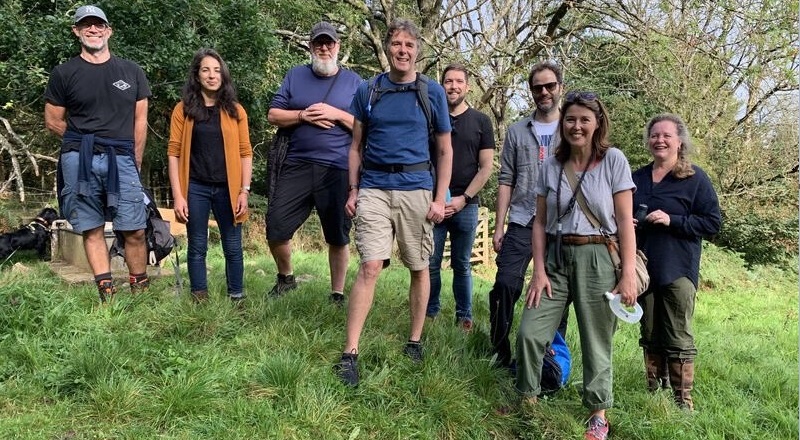
“Last Friday we had our inaugural BCI Walk and Talk, which is a member-exclusive outdoor networking event and a three hour walk in the beautiful Mendips countryside. It went really well and we plan to hold it regularly.
“We’ll continue to run our Members’ Lunch events monthly. They will stay on Zoom for the time being but we hope in the not too distant future we’ll get back to doing them face to face. The next Members’ Lunch is on 14 October.
“On 22 September, we have the first in a series of five diversity and inclusion (D&I) workshops. It’s a subject everyone is talking about but lots of people aren’t sure where to start. The workshops, delivered by Morag Ofili and Mette Davis, look at the business case for D&I and how to embed it into your business’ vision, mission and values. You’ll end the series by writing an actual plan that you can implement straight away.
“We’ve got a keynote on 30 September with Andy Nairn, who has been voted by Campaign as the UK’s number one brand strategist for the last three years. We’re really excited to have him talking to us about his new book, Go Luck Yourself, which discusses the role that luck plays in building brands.
“Finally, we’re putting the finishing touches to October’s keynote with Anne Thistleton, an experienced TED talker who talks about the role the mind and psychology play in marketing decisions. Keep an eye on the events section for details.
“We’re always keen to hear from members so if you have ideas for event subjects we should cover or speakers we should invite, get in touch and we’ll do our best to make it happen!”
Not a member? Join today! Fees start at just £4.50 a month or £45 a year.
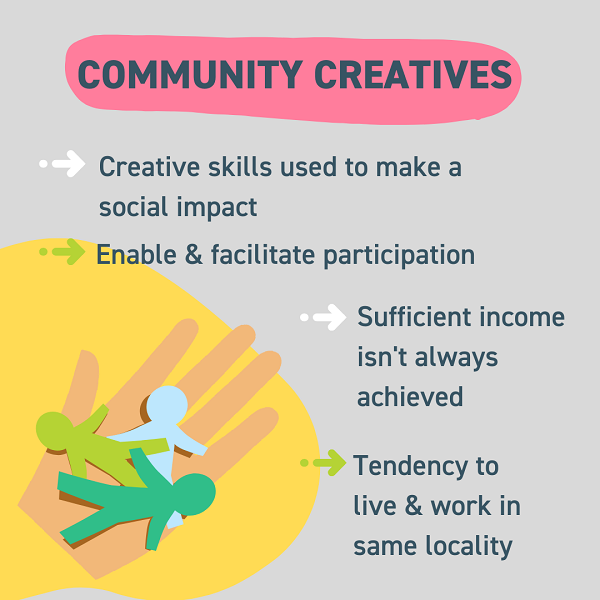
Although almost a third of the creative industries workforce is self-employed, the role and contribution of creative freelancers in the economy is poorly understood by policymakers and they should be better supported.
That’s the claim of a new report by support organisation Creative United which said that the lack of knowledge around creative freelancers “has been laid bare by the devastating impacts of COVID-19 on creative employment and freelancing, and the patchy support that freelancers have been able to access in response”.
Although government schemes have provided funding for millions of people during the pandemic, ministers were criticised for excluded a large section of self-employed people.
Creative freelancers contribute economic, cultural and social value, the study concluded, and much more needs to be done to support them in a way that better reflects their contribution to the UK economy and society.
The research, commissioned by Nesta’s Creative Industries Policy and Evidence Centre (PEC), makes 10 recommendations including:
Eliza Easton, head of policy at the PEC, said:
“This report is important for our understanding of freelancers in the creative industries, who, along with the self-employed, make up 32% of the sector, a much higher proportion compared to other areas of the economy. Before the pandemic, the creative industries were one the fastest growing parts of the economy, contributing over £100bn a year to the country and employing over 2 million people. However, the COVID-19 crisis has exposed the inadequacy of support for freelancers and self-employed workers. If we want a post-pandemic recovery that benefits everyone in the economy, we need to ensure that policies for freelancers are designed using evidence and research, rather than trying to apply a ‘one size fits all’ approach.”
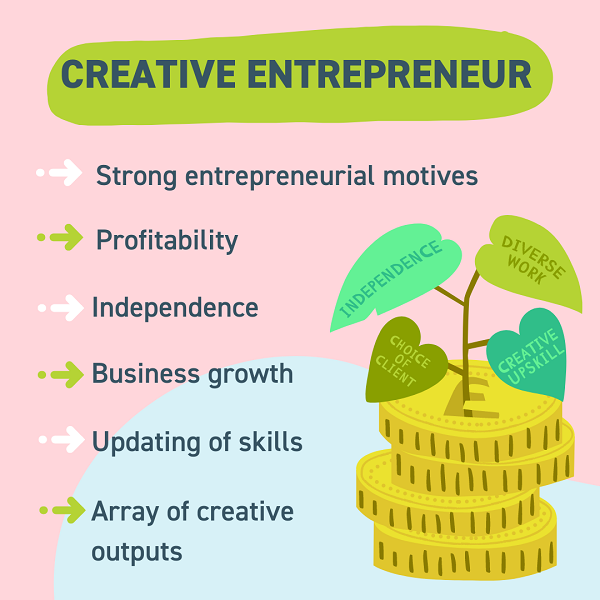
Researchers also interviewed 87 creative freelancers based in the Coventry City Region, London Borough of Waltham Forest and the County of Northumberland and compiled six groups to illustrate the range of creative freelancers, the characteristics that define their business motivations, and their modes of working.
A summary is below with full definitions in the report.
“I’d like to be expanding… I suppose I’d like to be ‘small to medium’ one day. I’m not sure I ever wanna be a ‘large’ business, you know, I think that probably takes a lot of the fun out of it.”
“I wasn’t interested in running a business, I just wanted to be an illustrator! I was quite happy having somebody pay me to be an illustrator.”
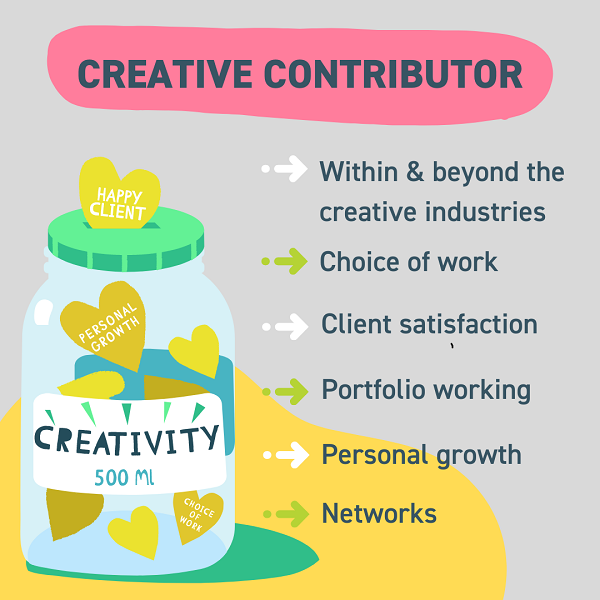
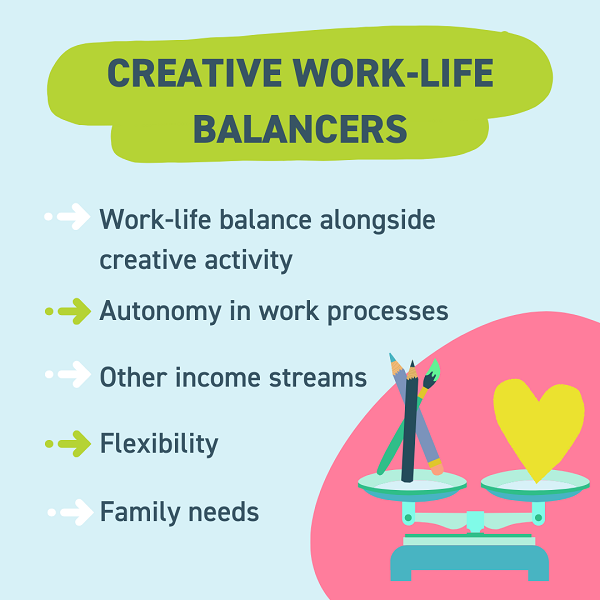
“I can be here when kids come back from school and can arrange meetings around that. I’m in charge of my own time, I don’t need anybody’s permission to do the things I want to do. It’s great.”
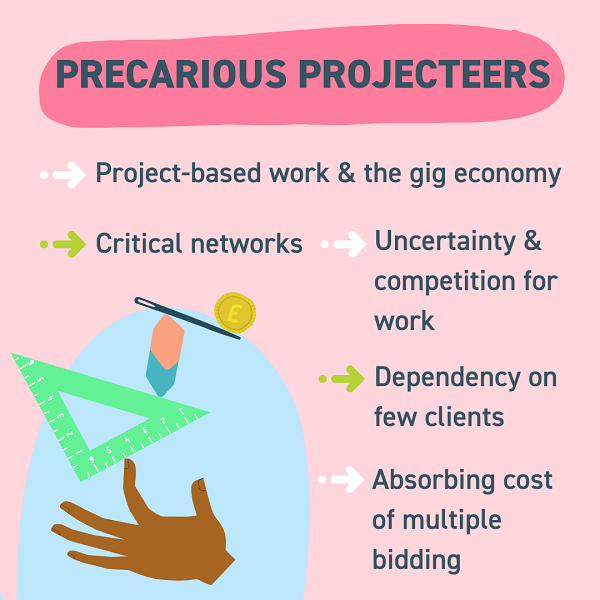
“This is the only way I can do the job I want to do, there is no alternative.”
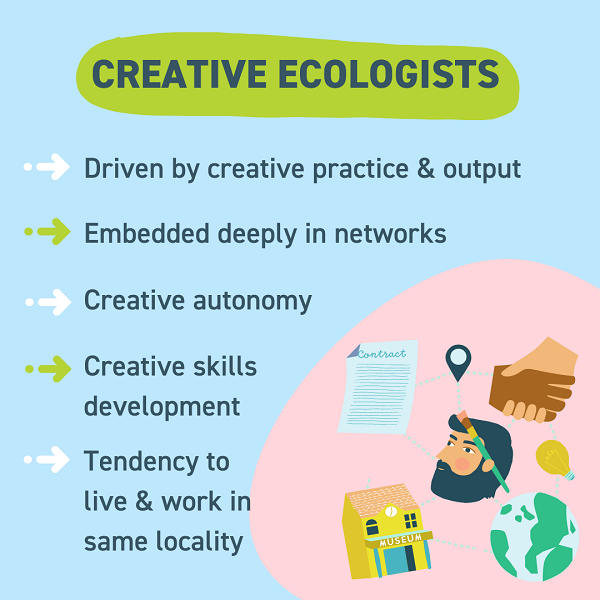
“I would find it very hard to get out of bed to do something I didn’t care about. I’ve been obsessed with the arts and cultural industries all my life. I believe this makes a proper contribution to the community, to the world.”
“I work with a group of stroke survivors and to be able to see them return every week and to enjoy what they do and to really feel part of that group… Letting groups have their own identity – I never call myself a teacher, I am part of the mix. Learning from each other. Not about earning – the earning bit is not realistic in the arts world.”
Bristol Creative Industries has a membership level to support creative freelancers. Read what some of our members have to say about the many benefits of freelance membership.
The Kiltered Guide to Effective D&I is a practical series of five bite-sized virtual sessions to set you on the right track with your diversity & inclusion efforts. We’ll help you make sense of what Diversity & Inclusion means for your business, why it matters, and how to turn the conversation into action. We’ll share insights, tools and techniques to help you overcome any D&I fears and obstacles, before starting to develop a plan. Our goal is to help you create a more inclusive workplace that will lead to increased diversity, improved team motivation and better business performance.
Anyone looking to embed D&I into their business in a way that’s about more than talking and quotas. You might already be doing something D&I related, you might not. You might have taken the first step but are not sure what to focus on next. Or you might be finding it difficult to get buy-in or investment for your efforts. We’re here to help you take that next step, whatever it might be, and turn conversations into meaningful action for your business.
This series of 5 workshops will run fortnightly on a Wednesday morning starting on Wednesday 22nd September.
** NB the first session had already taken place but if you’d like to book on the remaining 4 sessions, we will send you a recording of the first session along with slides so that you can catch up.
Part 1 – 22nd September, 9-10.30am
Setting the Scene – The business case for Diversity & Inclusion
Part 2 – 6th October, 9.30-10.30am
Making Space for Inclusion – Where do I start?
Part 3 – 20th October, 9.30-10.30am
Embedding Inclusion into your Culture through your Vision, Mission, Values and Strategy
Part 4 – 3rd November, 9.30-10.30am
The Perception Gap – Using data and analytics to increase your chances of success
Part 5 – 17th November, 9.30-10.30am
Writing your plan and putting it into action
Barrister Morag Ofili started Kiltered in 2020, a forward-thinking diversity and inclusion consultancy with a mission to take the fear out of building more inclusive workspaces. Using data analytics and organisational psychology, Kiltered helps businesses develop cohesive and achievable strategies for change and empowers businesses to put plans into action in a meaningful way. Where needed, Morag can tap into her network of lawyers, HR specialists and trainers to offer additional support. Kiltered is a resource for companies and leaders who are ready to do things differently. Morag is also a director at Broadminded, a community for curious and ambitious women, running events to inspire, educate & support women across all industries.
With a career spanning 20+ years in the creative and tech industry, Mette Davis has co-founded start-ups, and held leadership positions for global networks, boutique creative agencies and a digital transformation consultancy. Her former clients include British Airways, Mars and McLaren Automotive to name a few. Mette set up her own business in 2016, partnering with businesses and individuals to help them navigate through change and unleash their full potential. She works closely with companies to develop robust business strategies that stand the test of time, helping them activate their plans across multiple areas with a suite of practical tools and techniques, including workshop design and facilitation. Mette has also previously delivered several hugely popular training workshops for Bristol Creative Industries.
Diversity & Inclusion is a topic that’s rarely out of the news. But it’s also a topic that makes us feel uncomfortable, unsure of how to approach it and where to start. And once we have started, what we should be focusing on and prioritising in our strategic plans.
This first virtual session will help to set you on the right track with your diversity & inclusion efforts, make sense of what it means for businesses and the creative industries specifically, why it matters, and where to start. We’ll share a balanced perspective on some of the latest research and benefits of writing a business case, and explore different approaches to D&I, including metrics you can use to drive your efforts, all with the goal of creating a more inclusive workplace that will lead to increased diversity, improved team motivation and better business performance.
Whilst many understand the importance of inclusive workspaces and have heard the stats that diversity and inclusion is good for business, a large number of businesses have no idea how to get from where they are now to where they ought to be.
There are many reasons not to change – you lack the expertise, it takes up too much time, you don’t have the money or perhaps you simply do not want to compromise the positive elements of the existing culture? This session will tackle all of these common concerns and equip you with the tools to embark on your inclusion journey with a positive mindset.
Over the course of the session, we will explore why change is hard and what we can do to embrace it to create a better workplace environment for everyone.
The 3rd session in the Kiltered Guide to Effective D&I focuses on embedding inclusion into your culture through your vision, mission, values and ultimately your strategy.
We’ll talk about inclusive leadership, what it means and why it’s important for companies who want to achieve genuine inclusion, starting with the definition of your vision, mission and values. And once created, how it weaves into every element of your strategy and creates value for your business.
We’ll talk about different approaches companies take, with real life examples who have achieved varying levels of success through their efforts, including a deeper dive into the London 2012 Olympics and what we can learn from their approach to D&I.
We’ll also provide some practical guidance to help you on your way.
So you have examined your culture and examined your values but do you actually know how your employees feel about working in your organisation?
Are you surprised that anyone would ever want to leave?
The perception gap is the distance between how you want to come across and how you are ultimately perceived.
In this session, we will look at how data helps businesses close the gap and develop solutions that are responsive to the needs of their people.
As part of the Kiltered Guide to Effective D&I series, this final virtual session focuses on putting your plan into action. We’ll provide some practical steps you can take depending on where you are on your journey, as well as a couple of useful tools that will help you on your way to developing an inclusive culture that creates value for the business and motivates your team.
We’ll also help you understand what to expect, things to look out for, and how to approach some of the trickier situations that might arise. We’ll also share examples to bring it all to life.
The Kiltered Guide to D&I is sold as a block of 5 workshops as the learning builds throughout the series. Places are £225+VAT for BCI members and £295+VAT for non-members.
Book your place(s) here.
Heather Wright is an executive producer and creative industries consultant with 30 years of experience. She spent 22 of those years at iconic animation studio and Bristol Creative Industries member Aardman Animations.
In 2020 Heather left the company that has given us legendary characters like Wallace and Gromit and Shaun the Sheep to launch Springboard Creative. She also joined the Bristol Creative Industries board.
Dan Martin speaks to Heather about her career, the storytelling and employee culture lessons other businesses can learn from Aardman, what she is up to now and why is supporting the work of BCI.
“The 1980s and 90s was an extraordinary time to be working at advertising agencies. They made you feel like anything was possible. I worked at Saatchi and Saatchi which had the slogan “nothing is impossible”. Although that was sometimes frustrating to try and deliver to, it did mean you were always looking for a creative solution to make something happen. It wasn’t just acceptable to say “this can’t be done”. I also worked for Chiat Day and their slogan was “good enough is not enough”.
“It made me realise that if you have the confidence to know that there could be a way around a problem, you just need to find the right questions, understand the motivation or think about the other person’s point of view and what makes them tick. I learned a lot about creativity, both artistically and in business, during that time.”
“They advertised for someone to run their commercials team. I thought “animation, that sounds good because I know nothing about it so if they want someone to stay after six o’clock and do some animation problem solving, they won’t ask me. But I do know a lot about what Aardman should be doing in the advertising world!
“I applied for the job and got it. I grew as the company grew. My whole experience was growing from that starting point to becoming an executive producer and working on a breadth of different activities. I was instrumental in setting up their computer animation team, I ran their immersive team for AR and VR games and I worked on a big Wallace and Gromit concert at the Royal Albert Hall.
“From not knowing about animation, I soon learned lots and I very quickly became an absolute devotee of the art form. I was lucky to be surrounded by other people who also absolutely loved it and because it is a world leader in animation, the calibre of people who came to work there was always high. You were constantly surrounded by great creative thinkers, problem solvers and technicians. Everybody grew together; that idea of a rising tide lifts all boats.
“Aardman is very good at making sure everyone feels involved in all the parts of the company. If there’s a new show being worked on, it is shared with the whole company. There were issues around secrecy but in the end, we decided we just needed to trust people because it is in all employees’ best interests for the ideas to be kept confidential.
“During a big project, we were aware that employees’ families weren’t seeing them for months on end, so getting friends and relatives involved was crucial to maintaining the wellbeing of all the staff in the studio. When a big movie was finished, there would be a friends and family tour day, and after the production was released, we would take over all the screens at Vue Cribbs Causeway.
“The business also encourages everyone to come up with creative ideas, not just the creative departments. I know of a couple of ideas thought up by somebody in the finance team.”
“Employee ownership was a vehicle that allowed Peter Lord and David Sproxton [the founders of Aaardman] to step out of the day-to-day running of the business and to ensure its independence. It could very easily have been bought by a big channel or network and have just become part of somebody’s balance sheet. Independence has always been a strong tenet of what the company is about; the ability to make their own shows, make their own decisions and to run it as they want to. When Pete and Dave decided to take a step back, employee ownership worked well because the company had always been about everybody contributing.
“It’s not a super easy ride becoming an employee owned trust, but I encourage any company that’s thinking about it to consider it very seriously. Everyone becomes a partner and there is a change in the culture because it makes people feel like they really do have ownership and they really do have a say. We set up a staff council for employees to be involved with strategic decisions and to have input on how things were done. It was much more than somewhere for people to go if they had a complaint.
“Companies that have that kind of approach with values that everybody should share in the success are proven to be more successful businesses.”
“Nobody wants a yes man on board and everybody wants an intelligent conversation. All you can do is be your authentic self, know that your product is good, believe that your product is good and be able to explain why it is good.
“Work with the client as a team and be open to their ideas as much as you expect them to be open to yours. Build a very strong collaborative working relationship with a shared vision. I always made sure that the vision of the people inside Aardman and the vision of the client were going in the same direction. The path to get there may be rocky and can take different turns at different times from either side, but that’s ok as long as everyone is heading in the same direction and knows where they want to get to.
“Create cohesion, build true working relationships and be fun to work with.
“The other tip I would advise is if a big brand wants to work with you but you don’t think you can properly answer the brief because of time or money, say so and don’t take it on. If you do, you’ll end up doing a bad or half hearted job and not delivering something you’re proud of. The client will be disappointed in you and never come back to work with you.”
“They believe in quality of craft, excellence and humour. They believe in themselves and the stories are told from a very British point of view because that’s who they are. They don’t pretend to be American; it’s always about authentic storytelling,
“They also focus strongly on independence and collaboration. Those are the kind of things that attract people. It’s always about the quality of the craft, the quality of the thinking and the quality of the ideas.”
“It took me about two years to make the decision. The company was going through a change and I was starting to have ideas. I thought to myself “have I got anything else in me other than working for Aardman for the rest of my life?” I had an idea and I just needed to find out if it would work.
“I’m still friends with them all at Aardman and I’m proud to be associated with the company.”
“The main thing I am working on is an animation app called Magic Fox. It enables children to make animated personalised, real time movies of their own. It’s about developing creativity in five to seven-year-olds. I’m working with two partners and we’re currently seeking seed funding.
“I also still get involved in exec producing and I’m working on a couple of really big projects that I can’t tell you about right now! The other string to my bow is working with Innovate UK Edge, who support small creative businesses to get started with their strategy.
“I love helping people to fulfil their potential and that’s what all of my endeavours are about.”
“The government has realised that the creative industries is a huge earner for UK PLC. The trouble is they haven’t really known how to invest in it because unlike most other industries where you end up with huge companies, most of the creative industries are small or micro businesses. The idea of how you actually support innovation in the creative industries is something that they are continuing to grapple with.
“Innovate UK Edge recently ran the new Creative Industries Fund which provided a small amount of start-up money. It’s very unusual to have such a broad funding competition that appeals to lots of people.
“That particular scheme is now closed but knowing Innovate UK Edge and the way they work, if lots of people applied and they got some good projects out of it, they will run it again. They will also run a scale up programme of some sort because they want to progress people from start-ups to scaling up to a growth phase and being investable. That proves that the innovation works.
“If you can kind of get into the system, they will support you through all phases of growth. Their ears are open right now and want to know how best they can do it. They are absolutely looking to have conversations with small and micro businesses in Bristol and the south west about what innovation means to them. It’s a unique time to get involved.”
Find out more about Innovate UK Edge here. You can also follow Innovate UK Edge South West on Twitter.
“The pandemic has been a disaster for performing arts venues in particular but I think the government has realised that there is huge value in culture due to the impact of having lots of places closed.
“People gain emotional intelligence and learn about how to be in the world through storytelling. The creative industries bring meaning to the world, whereas science and technology bring facts. The question is how do you quantify what that meaning and understanding is? Is it through storytelling, different types of apps, watching something on your phone etc? They are sometimes intangible ideas that are hard to grasp hold of, but that’s what people in the creative industries do; they make the intangible tangible.”
“The creative industries rely on freelancers and small businesses. Anything we can do to encourage people to start their own business will lead to success for the whole of the creative industries and the UK. I’m absolutely in favour of those kinds of measures.”
Read more about the report here.
“I’ve always been really interested in the Bristol creative scene. At Aardman although we believed in supporting Bristol, most of our customers weren’t Bristol based but I was always interested in what was going on it the city and went to events like First Friday at the Watershed.
“I could see cities like Manchester and Leeds getting ahead but Bristol has a huge amount to offer. I’m really keen to support Bristol to become a stronger creative industries hub than it already is. It needs to punch above its weight and I want to be part of making that happen. Bristol Creative Industries is a vehicle to galvanise us as a city and make sure that we have a strong ecosystem that supports each other to reach out beyond our city.”
“It absolutely needs to happen. You get a better quality of idea when you have lots of different windows on the world in front of you. Everybody comes with a different window and a different viewpoint. The more ideas you have in the room from different places the better. That’s the problem with the Westminster bubble; they talk to people like themselves all the time. The only way to break out of the bubble is to go further and have a greater diversity of ideas. That comes from a greater diversity of people including ethnic diversity as well as age, people who are less able bodied etc. It’s all about having people with something different to bring which is not the usual employing people in your image which is often the worst thing you can do.
“It will take time. Nobody wants to get a job just because of their ethnicity or age; they want to get a job because they are the best person to do it. It requires grassroots support from the industry. The creative industries wants to do it, but they sometimes struggle to know how to do it. That’s another area where Bristol Creative Industries can help by endorsing programmes that are working and advising on how you go about creating a more diverse workforce.
“We’ve got such a diversity of people in Bristol and the wider region. We have the opportunity to test some of the ideas and prove that they work.”
“Start with a character. Think about how they would do a particular thing, what type of issues that kind of person would have, who are their friends and where do they live. You will come up with a much stronger story that way than saying, for example, “wouldn’t it be great if our mobile phones could all talk to each other on the table.” That’s an idea but it isn’t that interesting. But what about a tiny little character that has a big nose who’s really good at sniffing out unusual smells or situations. Maybe he’s frightened so he hides a lot. Or maybe he just gets really huge so how does he deal with what happens to him. Starting from the point of view of a character is much better than starting from a plot or a set of circumstances.
“Tell stories that you know, understand and are authentic to you. There are universal truths such as love, hate, anger and jealousy that everybody in the world, no matter where they live, understand. Apply those to your own set of circumstances and those values will still come across. It will make the story interesting for everyone because they will recognise the love, hate, jealousy and anger, but they will see it set in the context that makes sense for the storyteller. If you start to tell stories from a place that you don’t really understand, that’s always going to be much harder.”
Not yet part of the Bristol Creative Industries member community? Join today.
Despite billions in losses due to the coronavirus pandemic, the UK’s creative industries can lead the post-COVID recovery if the right investment is unlocked.
That’s the big headline in a major new study by the Creative Industries Federation and Creative England, which together comprise the non-profit Creative UK Group.
The organisations’ report, The UK Creative Industries: Unleashing the power and potential of creativity, found that the pandemic has hit our sector hard. Creative industries are estimated to have lost almost £12bn in GVA, with job losses predicted to reach over 110,000 by the end of the year.
Freelancers have suffered five times as much as those on payroll, with 95,000 freelancers losing jobs compared to 18,000 employees. Creative organisations reliant on footfall, such as museums and performing arts, has been the hardest hit sub-sector, whilst the creative industries in the North East and Wales are expected to be slowest to return to pre-pandemic levels.
But despite such a devastating impact, the impact could have been much worse. The report said UK, devolved and local government support, such as the £1.57 billion Culture Recovery Fund, have been “enormously instrumental” in preventing the 400,000 job losses that the Creative Industries Federation warned of in June 2020.
As Britain looks to recover from the pandemic, Creative UK Group said the creative industries need to be at the heart of the government’s plans.
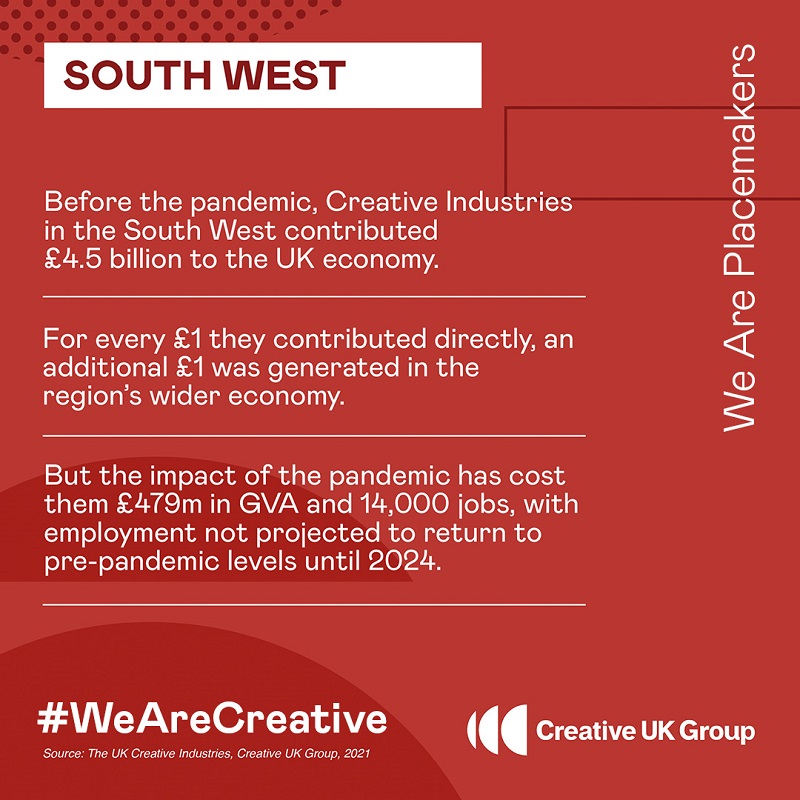
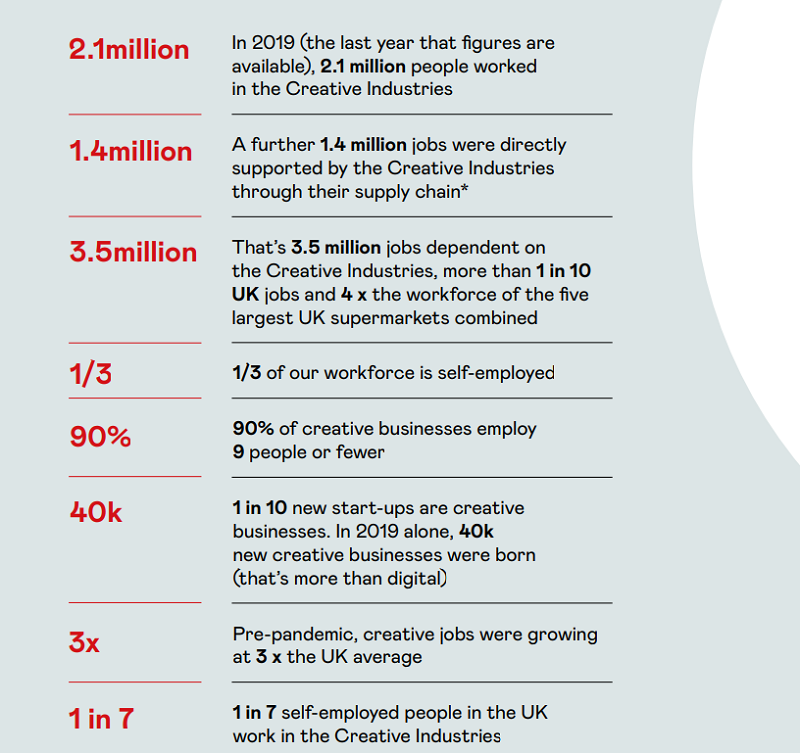
Included in the report is new data from Oxford Economics which showed that before the pandemic, the creative businesses directly supported more than one in 10 UK jobs. As well as the 2.1m pre-pandemic jobs in the sector itself, another 1.4m roles were directly supported through its supply chains.
Oxford Economics also estimates that for every £1 the creative industries before the COVID-19 outbreak, an extra 50p was generated in the wider economy via supplying businesses. That amounts to a combined economic contribution of £178bn.
The report said that with the right investment, the sector could recover faster than the UK economy as a whole, growing by over 26% by 2025 and contributing £132.1bn to the economy in GVA. That’s £28bn more than in 2020, and more than the financial services, insurance and pension industries combined.
By 2025 the Creative Industries could create 300,000 new jobs which is enough new roles to employ the working-age population of Hartlepool and Middlesbrough twice over.
Caroline Norbury MBE, CEO at Creative UK Group, said:
“The past decade has seen the creative industries achieve remarkable growth and success with the sector’s vast power to grow wealth and employment extending throughout local communities across the whole of the UK.
“With ambitious investment, the creative sector can rebuild faster than the UK economy and make a major contribution to the country’s post-pandemic recovery. We are money makers, job creators, innovators and problem solvers. We can reshape this country’s future for the better, but to realise our ambitions for tomorrow, we must invest in creativity today.
“We are not asking for handouts. We are asking for meaningful, targeted investment in creative ideas, creative industries and creative skills, that can unlock the incredible potential of the creative sector to kickstart our country’s recovery, and that will be repaid many times over.
“It is critical that we seize this opportunity to unlock the UK’s incredible creative potential, and avoid leaving key parts of our sector – and our country – behind.”
Tim Marlow OBE, chief executive and director at Design Museum, added:
“The creative industries have been hit incredibly hard by the pandemic. They are also central to our recovery. The creative industries – and design in particular – have the capacity to change behaviour, bring people together, empower communities and transform individual experience.
“The UK is world renowned for its creative industries, which in turn make it an attractive place to live, work and invest. Human creativity, unlike so many of our natural resources, is limitless – so it makes sense to invest in its potential to transform lives, level up and build sustainable and inspiring futures for many.”
The report contains several ideas for how the creative industries can be supported. They include:
The report outlines in statistics the make-up of the creative industries which show just how important it is.
Although the UK is world-renowned for big creative names such as Tate, Burberry and Working
Title Films, the creative sector is predominantly comprised of small businesses, micro-businesses and freelancers. As the report says: “Together we punch above our weight in terms of impact.”
There are thousands of examples of businesses pivoting and adapting to deal with the impact of the pandemic. We are delighted to see a Bristol initiative featured in the report:
“The immersive cinema group Compass Presents, whose planned productions were cancelled during the pandemic, brought the skills and knowledge they’d gained through immersive practice to disadvantaged communities in partnership with Knowle West Media Centre. Supported by BFI Film Hub, the organisation delivered 12 weeks of training in immersive screening to a group of young people in South Bristol, culminating in them organising their own immersive event for their local community.”
Ahead of the government’s Spending Review, Creative UK Group is calling on creative business owners and employees to highlight the importance of the sector to their MP.
To do that, it has launched the #WeAreCreative campaign.
You can download a draft email to send to your local MP and ask them to sign up to the pledge to support the creative industries.
You are also encouraged to shout about the sector on social media. We’d love to see Bristol Creative Industries members getting involved. Use the #WeAreCreative hashtag and tag us and your MP. We’re on Twitter, Instagram, Facebook and LinkedIn.
You can use the tools here to create your design. You are encouraged to start your post with ‘We Are…’ to “build a recognisable campaign that simply cannot be ignored”.
This week sees the end of the Government’s ‘work from home’ mandate in England which has been in place since the start of the pandemic. We know anecdotally that many businesses within the region’s creative industries have taken this opportunity to review their flexible working policies and we’re keen to understand what the future looks like for the South West’s creative community.
We’ve pulled together a handful of questions that will give us a top-line view of the new normal. We’ll be more than happy to share the findings with BCI members who may like some guidance on shaping their future flexible working policies. Share your thoughts here.
Photo by Kevin Bhagat on Unsplash
Let’s face it….after almost 18 months of many of us being tied to our desks in our home offices feeling a little Zoomed out, we could all do with some fresh air and thinking space.
Our members’ lunches have long been a firm fixture in the BCI events calendar – the perfect opportunity for a small group of members to connect and exchange information about their businesses. That said, these sessions are way more than just pitching; they offer a shared space for connecting with your peers to share successes and discuss challenges….and boy, there’s been a few of those in recent times!
As the world starts to open up once again, we’re keen to offer our members more creative ways of networking so we’re teaming up with Outside for a BCI Walk & Talk session on Friday 17th September. Similar to our members’ lunches, we’ll gather a group of 12 people who are keen to don their walking boots and explore the beautiful countryside around Bristol and Bath.
Over the course of a 3 hour circular walk, you’ll get to spend 10-15 minutes chatting to each of your fellow walkers. No agenda as such, just clear open space for thinking, connecting, sharing experiences and exploring possibilities. Chris Thurling (BCI’s Chair) and Alli Nicholas (BCI’s Membership Manager) will be joining the group too so it’s a great chance to chat to them about getting the most out of your BCI membership.
The starting point for our first Walk & Talk will be in the beautiful Mendips, just south of Bristol. We’ll meet in the car park at Burrington Combe ready to leave at 9am. If this format proves popular, we’ll look to arrange future walks starting from different locations around the area.
This event is exclusively for BCI members. There’s no charge but you do need to register in advance here.
Our friends at TechSPARK are celebrating the CreaTech sector this month so we thought we’d join in and highlight five awesome businesses from the Bristol Creative Industries member community.
As outlined in this article, CreaTech is the term used to describe where creativity meets technology. The Creative Industries Council defines it as “bringing together creative skills and emerging technologies to create new ways of engaging audiences and to inspire business growth and investment”.
The CreaTech sector is strong in the UK as a recent report by Tech Nation showed. Despite a very tough year in 2020, CreaTech companies raised a record £981.8m in 2020. That puts the UK third in the world for CreaTech venture capital investment, behind only the US and China.
The sector is big news in our region too with the South West having the highest median investment between 2015 and 2020, ahead of Scotland and London.
With that in mind, we thought it was the perfect excuse to showcase five businesses from the Bristol Creative Industries member community doing amazing things. Connect with them by visiting their member profile. If you want to join the community, you can sign up here.
This company describes itself as “changing the face of cyber security education for young adults” through its CyberStart product. The platform that gamifies cyber security education has been used by over 200,000 students. Teaching cyber security to 13-18-year-olds is hard so this is a really innovative way to do it. In the game, participants take on cyber-criminals by solving puzzles and using learning techniques like code breaking and password cracking,
The company has a US version of the product and it was recently part of the National Cyber Scholarship competition with over 10,000 high school and college students taking part.
Congrats to the 70 CA HS students named National Cyber Scholars! Thank you @CyberStartUSA @NCScholarship for nurturing + empowering our next generation of #cybersecurity experts. See full list of our rising stars https://t.co/OCBYY1nwfo pic.twitter.com/HGd8RI119W
— Dept. of Technology (@CADeptTech) June 8, 2021
Visit Helical Levity’s BCI member profile
In the midst of Euro 2020 (come on England!), it seems appropriate to include this Bath-based business. Founded in 2017, StatsBomb provides football data and analytics to clubs, media and gambling companies across the world. The company has developed its own proprietary, industry-leading data collection and analytics software with a user-friendly high-vis front end.
The business started out as a team of three but now has over 150 employees based in its head office in Bath and in the US and Egypt.
Yerson Mosquera, Atlético Nacional 2020 & 2021
Wolves have become the latest club to dip into the South American market 🇨🇴
Scouting from a global database has never been more important. StatsBomb customers can shortlist players from 80+ competitions 🌎https://t.co/TY2rzzCOBN pic.twitter.com/XxJ480y2uP
— StatsBomb (@StatsBomb) June 17, 2021
Visit StatsBomb’s BCI member profile
Bristol-based Gravitywell describes itself as using “technology and creativity to guide businesses through digital transformation and help startups blossom and achieve their goals”.
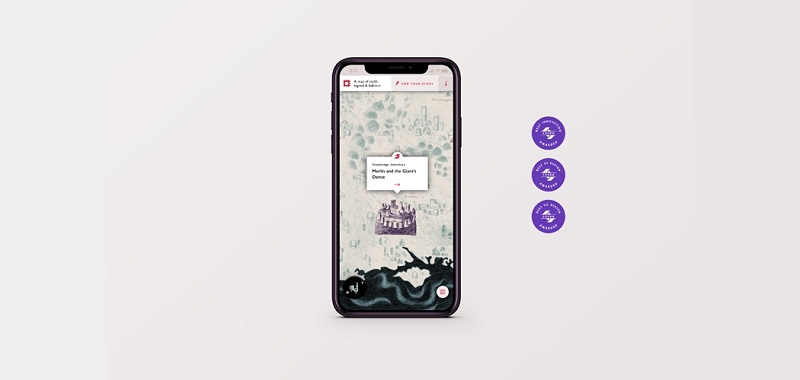
The company has delivered some impressive projects including working with English Heritage and artist Clive Hicks-Jenkins to creatre an interactive illustrated web app map of English myths and legends.
In just six weeks, the team designed, built and launched the web app. They turned Clive’s analogue artwork into a digital production that brought the creatures and characters to life. The map picked up a number of awards, including best digital design at the 2919 SPARKies, TechSPARK’s annual awards celebrating the best tech in the west.
View Gravitywell’s BCI member profile
We are all craving the return of international travel and here’s a company that can help when we can finally go on our next adventures. Bristol-based TravelLocal is disrupting and bringing online the huge tailor-made holidays market and pioneering the “buy local” movement in travel.
The company’s cutting edge web software platform connects locally-owned travel companies in more than 60 countries worldwide with a global client base of travellers, to create and deliver tailor-made holidays.
TravelLocal was started in 2008 by founders Tom and Huw who felt something was missing from the travel industry. Big tour operators were dominating the market and the local experts that planned the trips were treated as a “trade secret”. They started TravelLocal to change that.
View this post on Instagram
Visit TravelLocal’s BCI member profile
This Bristol-based company believes “there’s a brilliant storyteller in everyone but sometimes you just need a little help unlocking your superpower”. Sparkol was “born out of the simple belief that everyone should be able to share their stories quickly, easily and affordably (without any special skills)”.
The company’s flagship software, VideoScribe, has been used by over two million users worldwide. It allows users to quickly create professional-looking animations.
Another service is Scribley which gets you creating engaging video experiences in minutes using a browser on desktop or tablet.
If you don’t want to do it yourself, Sparkol Studio can help by taking your wildest ideas and transforming them into ‘share-worthy’ video content, and Sparkol Academy provides training on video skills and animation.
You are currently viewing a placeholder content from YouTube. To access the actual content, click the button below. Please note that doing so will share data with third-party providers.
Visit Sparkol’s BCI member profile
We love the creativity of Bristol Creative Industries members and there are hundreds more we could have shared. Meet them all in the member directory. If you want to be featured, join as a member.
The Creative Industries Council CreaTech Ones to Watch competition is celebrating inspiring companies and consortiums from across the UK. We’d love to see some BCI members featured. You can enter here until 28 June.
Taking place on 1 July, EntreConf is the dynamic new virtual conference to inspire the region’s entrepreneurs and advisors. To help with practical advice – financial, legal, marketing, management. And to broker valuable new relationships before, during and after the event.
Free conference passes are available via the website, entreconf.com, supplied by the EntreConf Sponsors.
The Running Order for the day can be seen on the website here. It includes three unmissable Keynote Speakers:
Chris Anderson: Owner of world-renowned TED Conferences on wisdom from dozens of inspirational entrepreneurs he’s known plus his own remarkable entrepreneurial story.
Ann Hiatt: Unrivalled top-level first-hand experience as a former business partner of Jeff Bezos at Amazon and then chief of staff at Google. Ann will be talking about business strategies.
Dale Vince: leading green energy entrepreneur and pioneer, also owns the eco-friendly Forest Green Rovers plus a portfolio of green companies, and was the executive producer of Seaspiracy.
Plus highly-practical sessions for entrepreneurs at all stages, provided by EntreConf’s expert partners. Take a look at what each expert insights session will be covering here. Business strategy, start-up help, advice on funding, developing business thinking, exclusive research, futurologising – and much more.
EntreConf also features the EntreLeague. The top 50 of the coolest, brightest, most interesting entrepreneurial businesses in the region. Chosen by a panel of experts, themselves chosen for expertise across a wide variety of sectors and business types: entrepreneurs, advisors, financial companies, lawyers, academics, incubators. These will be unveiled live at EntreConf on July 1.
EntreConf is sponsored by: Bath Spa University, Bevan Brittan, Burges Salmon, Lombard Odier, Rocketmakers and University of Bath School of Management. Plus Associates and Partners: Bristol Creative Industries, Creative Bath, Digital Wonderlab, EIP, MediaClash, PG Owen and Storm Consultancy.
This year, EntreConf is running as a virtual event with a select, in real life dinner in the autumn. The event is organised and run by MediaClash, publishers of Bristol Life, Bath Life, Cardiff Life and Exeter Living and organisers of over 100 events a year, including the Bristol Life Awards, Bristol Life Business Clubs and Bristol Property Awards.
Paul Feldwick worked at the legendary creative agency Boase Massimi Pollitt for over 30 years. His latest book, Why Does The Pedlar Sing?, examines what creativity really means in advertising. In April, he joined Bristol Creative Industries to share some of his insights. Dan Martin summarises the fascinating event.
Paul Feldwick has a distinguished career in advertising and has worked on some of Britain’s most famous advertising campaigns including the PG Tips chimpanzees, Rowan Atkinson promoting Barclaycard and the Sugar Puffs Honey Monster. What all those ads have in common is entertainment, a factor which Paul believes is essential in successful advertising.
But there is actually a long-held belief by many that entertainment actually doesn’t work. Claude C. Hopkins famously argued in his book Scientific Advertising in the 1920s that people don’t buy from clowns. “Advertising pictures should not be eccentric”, he wrote. “Don’t treat your subject lightly. Don’t lessen respect for yourself or your article by any attempt at frivolity. People do not patronize a clown. There are two things about which men should not joke. One is business, one is home. An eccentric picture may do you serious damage. One may gain attention by wearing a fools cap. But he would ruin his selling prospects.”
“Father of Advertising” David Ogilvy was a big fan of Hopkins and Sergio Zyman, who worked for Coca-Cola in the 1980s and helped launch the Diet Coke brand, said that advertising that merely entertains does not work.
But Paul Feldman is a big fan of entertainment in advertising, a subject of his book, Why Does The Pedlar Sing?
“The tradition of advertising that works by entertaining is not a new one, it probably is very ancient indeed”, he said during the event. “I see it as going right back to the medieval peddler, who would travel from house to house from village to village with what he was selling. He was a travelling entertainer, he would sing songs, he would tell jokes and he would dress in a funny way. He was all purpose, general entertainer.
“Entertainment as a way of selling things contradicts all those arguments about people not buying from clowns and selling a serious business. How is it that despite the fact that so much advertising through the ages has used entertainment, have we got saddled with the ongoing belief that selling ought to be a serious business?
Before he tackled why entertainment and humour are good for advertising, Paul acknowledged that Claude C. Hopkins’ argument does hold up for direct response advertising, the kind of ads that you see in Sunday newspapers.
“It tends to be very sober,” he said, “it tends to be giving you the facts, it tends to be avoiding jokes and it doesn’t do anything that is eccentric or odd. If it’s well done, it works absolutely brilliantly. You know it works because the advertisers know exactly how much each insertion sells and exactly what the responses are.
“The split-run technique used by direct response advertisers originated back in the 1890s. It was based on using coupon responses that Hopkins evolved his give the facts, give the information argument around.”
“We used to tend to believe as a default that advertising works by a matter of rational persuasion; it has to give reasons why, it has to give consumer benefits. That’s the language that we still use a lot. If you look at most people’s creative briefs, they still have the idea of the central proposition. There has to be a single-minded proposition, we are telling people why the product is better.”
But Paul said that idea was turned on its head by the work of marketing specialist Andrew Ehrenberg and then Australian professor called Byron Sharp, who wrote the influential book, How Brands Grow.
“He had the radical idea, which was originated by Ehrenberg, that advertising doesn’t really work by persuading people or giving information at all. It works by creating something that they call mental availability. To put that very simply, it’s like fame. All that needs to happen in order for a brand to grow is that it needs to come to more people’s minds, more often, and then they’re more likely to choose it.”
Paul continued that this is also why people choose one brand over another. “Why do more people buy McDonald’s products than Burger King? Because more people think about McDonald’s more often than Burger King, and they have more associations with McDonald’s than they do with Burger King because they’ve had more experience of it.”
Paul said neuroscientists like Antonio Damasio have shown that what underpins our decisions is something that’s emotional. If we don’t have an emotional response, we simply cannot make decisions so there’s no such thing as an entirely rational decision. “That’s why so much advertising has done something different, and what it has done differently is using entertainment”, he added.
So why does entertainment work?
It makes us feel good and simulates an emotional reaction, Paul said.
To illustrate the point he used the example of the massively successful advertising campaign by tea brand PG Tips which used anthropomorphic chimpanzees dressed in human clothes. It started in 1956 and ran until 2002.
You are currently viewing a placeholder content from YouTube. To access the actual content, click the button below. Please note that doing so will share data with third-party providers.
The brand remained a bestseller throughout that period despite lots of advertising by other tea brands and the introduction of much cheaper own brand products by supermarkets. Paul explained: “PG Tips maintained a significant business advantage, not by telling people why their tea was better, but because people remembered it more, it was more top of mind, and they felt more positive about it. That was through doing advertising that was entertaining and fun.”
Another example is the Compare the Meerkat advertising campaign from Compare the Market which Paul says uses the principles of entertainment.
https://www.youtube.com/watch?v=CIfWCrAdtX4
“It has characters, it has drama, it has incident, it has talking animals, it’s childish, it’s ridiculous.” It is also massively successful.
Holding his own cuddly meerkat, Paul Feldwick said the brand has gone one step further by using merchandise that generates even stronger consumer connections with the brand. The Kevin the Carrot campaign by supermarket chain Aldi is another example of a business linking merchandise to its entertaining advertising.
Another brand ticking the entertainment box is Premier Inn and comedian Lenny Henry.
https://www.youtube.com/watch?v=yeZI_p2_dYw
“It has to distinguish itself from the very similar business Travelodge and it has been hugely succeeded in doing that,” Paul Feldwick said.
The use of Lenny Henry also epitomises the use of a ‘distinctive asset’. It’s something or someone that is unique, distinctive and recognisable. The meerkats and Kevin the Carrot are other examples.
“If you create something that is trying to say something about your product, the chances are you’ll produce something that looks pretty much like what all your competitors are doing,” Paul advised. “But if you produce something that has nothing whatsoever to do with your product, like a meerkat, then you have got something that is unique and is part of the psychology of what lodges in people’s memory.
Good distinctive assets are those that follow the rules of what makes good entertainment, Paul Feldwick said.
Upcoming Bristol Creative Industries events:
You need to load content from reCAPTCHA to submit the form. Please note that doing so will share data with third-party providers.
More Information