Between 2026 and 2029, up to 12 challenge calls will be identified where innovative new thinking could catalyse a step change in the industry, while producing learning and insights that benefit the whole screen sector.

Becoming a member of Bristol Creative Industries brings many benefits. We regularly add new opportunities so here is a guide to the latest benefits you can enjoy by signing up. This post is regularly updated.
Join Bristol Creative Industries here.
Showcase your best work and attract new clients with a company profile in the Bristol Creative Industries member directory. The directory receives lots of visits every month from people looking for services from creative businesses.
Got some business advice or news to share? As a Bristol Creative Industries member you can self-publish content on our website and it will automatically appear on your member profile. We upgrade great content to the newsfeed and homepage, while four posts by members are included in our monthly email newsletter.
To get an idea of the content topics that do well, here are the top 30 most popular posts by members in 2025.
Bristol Creative Industries member Jessica Morgan from Carnsight Communications discussed the benefits of posting content in this interview.
The Bristol Creative Industries jobs board attracts thousands of job hunters every month. Business members can post unlimited free job adverts, saving you on average £3,500 per candidate.
Piers Tincknell, co-founder of Atomic Smash, is one of BCI’s longest serving members and he told us in a member profile interview how he regularly uses the jobs board to recruit new employees.
BCI’s monthly members’ lunches are a perfect opportunity for members to catch up with fellow members and the BCI team.
Everyone has a slot of up to three minutes to tell the others a little about who they are and what they do and share any news and/or challenges. You don’t need to fill the full three minutes. We usually find some common themes emerge to discuss over the course of the session. It’s all very informal with no need to stand up and present slides.
The events are free to attend for members, take place at The Square Club in Bristol and include a free buffet lunch.
Check the events section of details of the next lunches.
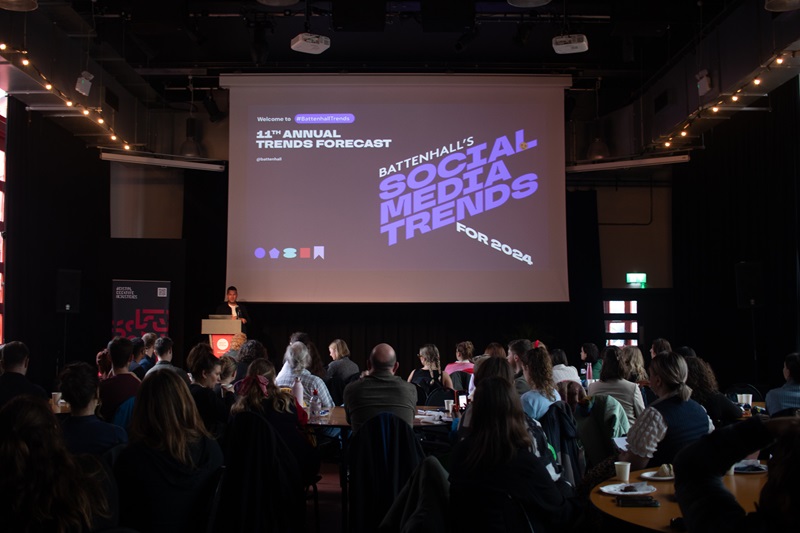
Our flagship keynote events and workshops feature world class speakers sharing their expertise. It’s a unique opportunity to access valuable insights for growing your business. Bristol Creative Industries members receive a ticket discount.
An example of a keynote event is the brilliant annual presentation on social media trends delivered by Drew Benvie, founder of global social media consultancy Battenhall. He returns to Bristol on 21 January 2027.
Sales expert Ryan Hall is delivering a keynote in Bristol on 13 October 2026.
Our regular freelancer networking drinks events in Bristol are free with a free drink for members. It takes place several times during the year. Freelancer drinks still to come this year are on 10 November. Book here.
Keen an eye on the events section for the latest events. You can also sign up to the monthly BCI Bulletin to be notified of events.
Big thanks to everyone who joined us at @SquareClifton last night for the Bristol Creative Industries freelancer networking drinks ☀️ 🍷
Sign up to the BCI Bulletin to be notified of new events: https://t.co/5WgBWPoN1C#BristolCreativeIndustries #Bristol #freelancers pic.twitter.com/1BvT60KZFp
— Bristol Creative Industries (@Bristol_CI) June 21, 2023
Wake Up Call is a member exclusive live webinar that takes place every other Friday at 8.30-9am. The content is delivered by members for members.
Attending the free event gives you access to valuable insights from your fellow members and if you host a Wake Up Call, you can share your expertise and attract potential new clients.
See details for upcoming Wake Up Call events in our events section.
If you’re a BCI member and you’d like to deliver a presentation on a topic of your choice during a Wake Up Call, email Dan Martin.
The Bristol Creative Industries LinkedIn group has more than 11,600 members and is one of the biggest creative sector focused groups on the platform.
Anyone can join the group but posting promotional content, events, jobs (that appear on the BCI site) etc is for BCI members only. See the group rules in the group description for more details.
Research shows that diverse teams are more creative problem solvers, bringing fresh perspectives to solutions, against the echo-chamber effect that results when people in a business come from too-similar backgrounds. With a strong focus on diversity and inclusion, employees feel valued and that they belong.
To help Bristol Creative Industries members achieve this, we have partnered with The Hobbs Consultancy to provide on demand equity, diversity and inclusion (ED&I) e-learning.
The CPD certified online course consists of modules to help you bring about positive change in your business, understand the key challenges in the way for different groups, and explore your own biases and how to overcome them.
The training modules take an in-depth look at different diversity and inclusion topics: race, disability, LGBTQ+, neurodiversity, gender (split into female leadership, masculinity, gender identity), age and social mobility in the workplace.
The price of the training for BCI members is £120+VAT. All profits will be ploughed back into our youth engagement activity.
To access this brilliant training opportunity, log into your Bristol Creative Industries account and click on the ‘members’ training’ section.
We host regular roundtables for agency leaders to discuss strategic challenges. These events are vital for us to hear from the member community about the key issues you are facing and how we can help. A roundtable on funding led to us creating this popular and regularly updated guide to the latest finance on offer to creative businesses.
If you are interested in getting involved with future roundtables, email Alli Nicholas.
We regularly deliver other special member benefits.
To stay updated on the latest benefits, sign up to the monthly BCI Bulletin.
Reductions on co-working spaces, meeting rooms, hotel accommodation, a recruitment strategy review and a coffee subscription are just some of the many discounts and offers we’ve negotiated for members.
Join Bristol Creative Industries here.
If you have any questions about membership, email Alli Nicholas
The government has back tracked on its plan to allow AI companies to train their models using copyrighted works unless the rights holder opts out following strong protests from several groups and individuals in the creative industries.
In a policy update, the Department for Science, Innovation and Technology (DSIT) said “a broad copyright exception with opt-out is no longer the government’s preferred way forward” after many people in the creative industries expressed concern that “a broad exception would allow generative AI to learn from their works, without compensation, and in direct competition to them”.
In a consultation, only 3% of the 11,500 respondents backed the government’s preferred option. High profile figures including Elton John also spoke out against the plans. He told the BBC it would be “committing theft, thievery on a high scale”.
When we asked Bristol Creative Industries members for their views on copyright and AI, several were against a broad copyright exempion too:
Catherine Frankpitt, Strike Communications:
“The government must work urgently with creative and tech sectors to establish a legally enforceable framework requiring clear disclosure of AI training data sources and mandatory opt-in licensing. We need a distinction between AI as a creative tool versus unauthorised training on copyrighted works. Creators must retain ownership and receive fair compensation for any AI usage of their work. Given AI’s global reach, this framework needs both robust UK legislation and international coordination.”
Susan Pearson, Wordways:
“The copyright for anything I write is 100% mine or my client’s. No-one or no ‘thing’ should ever have the right to reproduce the words of writers exactly unless these words are expressed within quote marks with the source of the quote acknowledged – unless they have specific permission. Anything else would be creative theft.”
Emma Barraclough, Epoch:
“For brand assets to be valuable, they must be protectable. And yet without clear rules AI generated assets are at risk of being copied and compromised by others. For AI to become a truly powerful tool for creatives, we need laws that make its output safe, ownable, and enforceable.”
In the policy update, the government said “we must take the time needed to get this right” and it will not introduce reforms to copyright law until we are confident that they will meet our objectives for the economy and UK citizens.
It added:
“This means protecting the UK’s position as a creative powerhouse, while unlocking the extraordinary potential of AI to grow the economy and improve lives. Any reform must ensure that right holders can be fairly rewarded for the economic value their work creates, and that they are protected against unlawful and unfair use of their work. It must also ensure that AI developers can access high quality content. It is clear through the consultation and our subsequent engagement that there is no consensus on how these objectives should be achieved.”
The government claimed there is “limited and uncertain evidence on the impact of copyright on the development and deployment of AI in the UK”, so the evidence base must continue to be built.
DSIT has also published a new economic impact assessment on copyright and AI which considers the available evidence.
The policy update said:
“We propose to address the gaps in evidence on copyright reform, consider alternative options and review our approach in light of wider market and international developments. Alongside this, we propose to take steps to help right holders control and license their work, including through encouraging greater transparency.
“We also propose to explore options for supporting human creativity and artistry. Across this, we will continue to seek input from voices across the economy, and engage with Parliament and technical experts to ensure any reform drives growth and supports adoption and diffusion of artificial intelligence.”
Other actions include:
Dan Conway, Publishers Association CEO, said:
“As the Publishers Association has long maintained, the UK’s gold-standard copyright regime is the foundation upon which growth and our world-leading creative and knowledge industries are built. Copyright is an enabler and a driver of UK competitive advantage, not an inhibitor, and the government should resoundingly dismiss any further tinkering with copyright as an alternative to the original exception. Alternative exception models – including those for science and research – must be taken off the table from this point. These exceptions have the potential to be even more damaging than the copyright exception initially proposed and are unjustifiable in the context of an established, growing AI licensing market.
“The significant positives in today’s announcement, in addition to the abandonment of the preferred exception, include the focus on transparency – on which we will continue to advocate strongly for legislative action – and on labelling to achieve clarity for readers in an increasingly polluted online retail space.
“The Publishers Association has advocated for the books and journals industry on AI and copyright for years and it’s gratifying to see progress being made on this generationally important issue. This is a step in the right direction, undoubtedly, but not all potentially damaging avenues have been closed down. We will continue to support the government with this work and we thank all of our members for helping us to campaign on this important issue on behalf of the sector we all care so much about.”
Paul W Fleming, Equity general secretary, said:
“The government has taken a welcome and marked change of approach, which has included engaging with Equity at the highest level in detail, and in advance of this announcement.
“The pause announced today is recognition that selling out the UK’s creative industries to benefit US tech companies would’ve been an act of national self-sabotage. The UK should be the best place on the planet to create, supporting the government’s growth agenda through a strong copyright regime and respect for creative workers.
“We welcome the government’s intention to introduce measures on digital replicas and we look forward to working with them to develop new protections against unauthorised and unpaid use of a performer’s voice and likeness, the bedrock of our members’ careers.
“What creators need after this pause is a firm commitment to copyright and neighbouring rights and support for collective licensing for AI uses, including via existing trade union collective bargaining mechanisms. We look forward to working with the Labour government on how best to secure these reasonable aspirations.”
March is B Corp Month, which celebrates businesses that have achieved certified B Corporation status, a measure of high standards of social and environmental performance, transparency, and accountability.
Our region has many B Corps. In fact, a report in 2023 said Bristol is home to the most B Corps of any UK city outside of London.
To mark B Corp Month 2026, we’ve updated our showcase of B Corps in the Bristol Creative Industries community. Read about inspiring businesses below, with their tips for how to become a certified B Corporation.
“My biggest piece of advice for businesses considering B Corp certification? Just start! The process may seem intense at first, but once you take that first step, it all becomes much more manageable. The B Impact Assessment gives you a clear benchmark, and it’s quicker to work through than you might think. More importantly, see it as a journey. Every step you take is a step towards becoming a better business for both people and the planet. By simply starting, you’re already making a positive impact!”
Tom Locke, Noughts & Ones (BCI member profile | B Corp profile)
“To become a successful B Corp focus on embedding sustainability deeply within your company culture. Start by clearly assessing your environmental impact. For example, Atomic Smash made a big step by transitioning a majority of clients’ hosting to providers that solely use renewable energy and prioritising greener digital practices. Regularly evaluate your performance through the B Impact Assessment, ensuring continuous improvement. By transparently integrating these purposeful practices into daily operations and clearly communicating your efforts, your business can successfully attain B Corp status and inspire positive change.”
David Darke, Atomic Smash (BCI profile | B Corp profile)
“One of the key tips about becoming a B Corp is that you don’t just become one and tick it off your list. Achieving B Corp certification is just the start of the journey. It’s about a wholehearted commitment from the top to the bottom of your organisation to do better business. It affects everything – from Articles of Association and company mission, to choice of suppliers, clients, company policies and so on. No business is perfect, but the B Corp assessment criteria help to set priorities and objectives towards meaningful change so that people and planet are considered equally alongside profit. It’s a huge commitment, but for us, there’s no other way to do business.”
Alex Ririe, The Collaborators (BCI profile | B Corp profile)
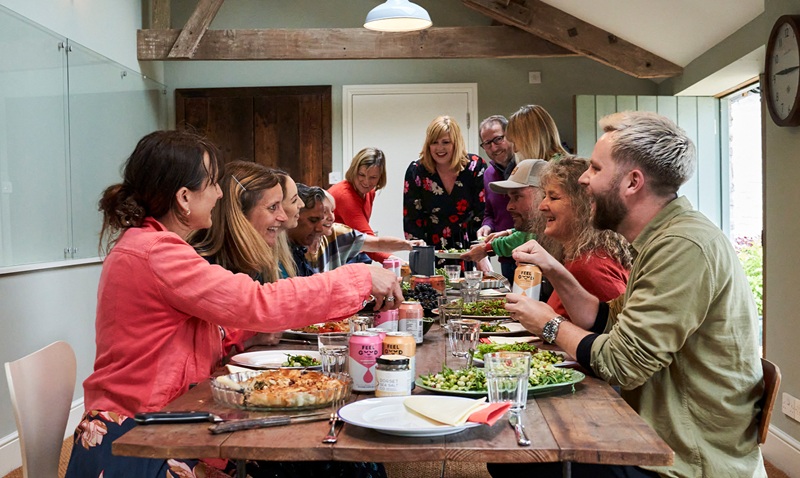
“Halo was one of the first 1,000 businesses in the UK to become a certified B Corp.
“Becoming a B Corp challenges you to focus on areas often overlooked and helps focus your business into a force for good. There is a lot to do, so I’d say start small—review suppliers, refine policies, and engage employees by letting them choose causes they’re passionate about. Keep it on the leadership agenda, talk and learn from other B Corps.
“The process is about continuous improvement, ensuring accountability and impact. Going green doesn’t mean an overhaul; think local, reduce waste, and measure your footprint- we plant a tree for every invoice we raise. The biggest tip? Just get going.”
Nina Edmonds, Halo (BCI profile | B Corp profile)
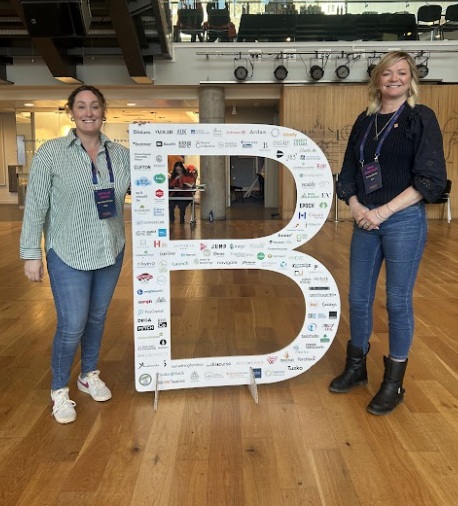
“Our mission is to shape an industry where paid media done the right way delivers client success whilst contributing to stronger communities and a healthier planet.
“This clearly aligns with the B Corp values and the accreditation has helped us focus on how we can expand our purpose.
“We had a mentor, Business on Purpose founder Andy Hawkins, to guide us through the process, which was very helpful. The B Corp community is a valuable one in which working collaboratively is at its core. If you are not sure whether to proceed with the accreditation, feel free to reach out to us (or any other friendly B Corp) and we’ll be happy to answer any questions.”
Toby Parkins, Flight Feather (BCI profile | B Corp profile)
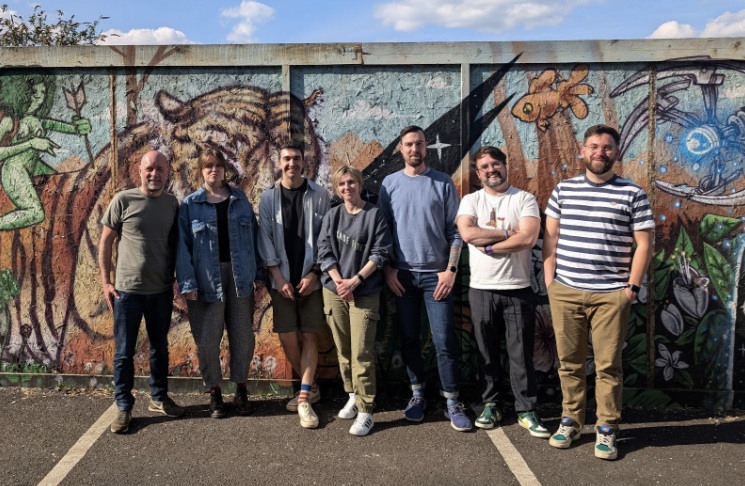
“Our mission is to create work that has a positive impact on people and planet, so becoming a B Corp felt like a natural step.
“Our tip is to really make sure that your people are on board with what you’re trying to achieve. B Corp certification isn’t something that a couple of people within the organisation can be solely responsible for. It’s down to everyone playing an active role – from committing to volunteering days to understanding what reproductive policies look like in our agency.
“We take regular opportunities to share what we’re working towards and invite feedback from teams across the business, which is so far proving successful.”
Sarah Dennis, Aer Studios (BCI profile | B Corp profile)
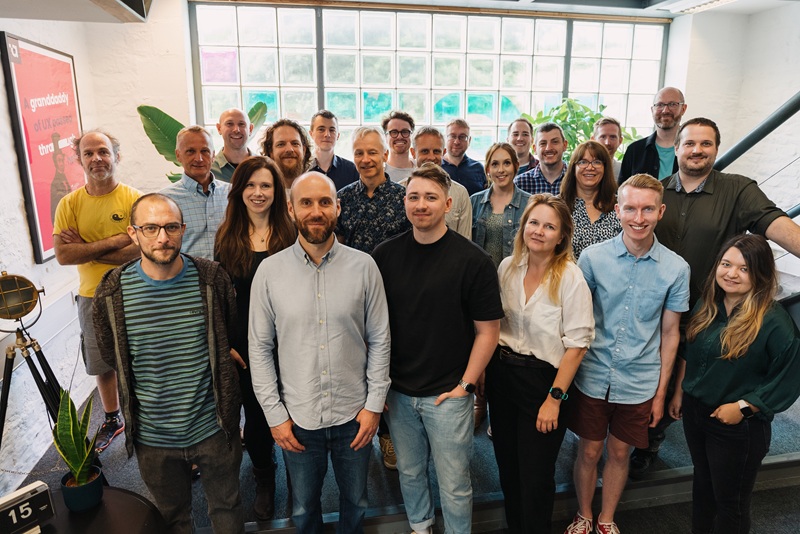
“Becoming a B Corp isn’t just about ticking boxes; it’s about weaving purpose into your business’s DNA. It starts with a genuine commitment to people, clients, the community, and the planet. Prioritise ethical practices, transparency, and accountability.
“Continuous improvement is key; small, meaningful changes create a lasting impact. Use your business as a force for good, challenge the status quo, and resist pressures that push against positive change. The journey to certification is a mindset shift, not just a process. When you do it for the right reasons, everything else falls into place.”
Josh Harrison, Taxi Studio (BCI profile | B Corp profile)
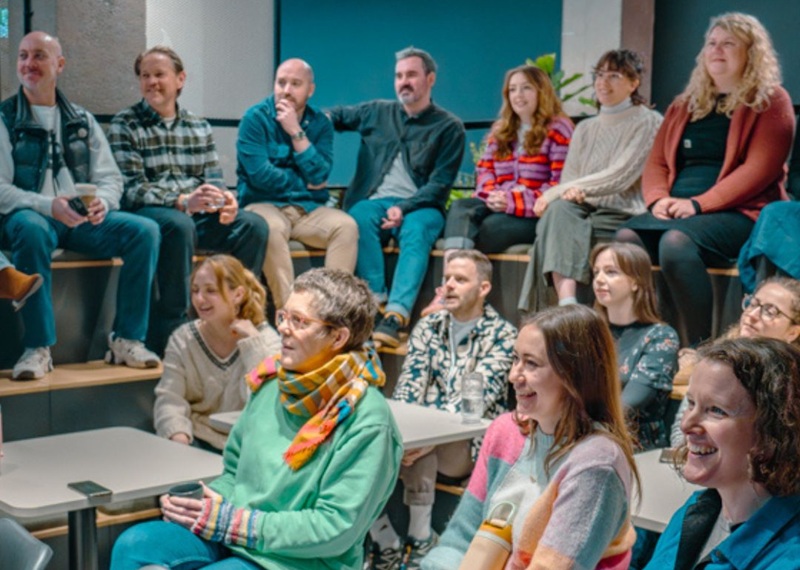
“First and foremost, you have to truly want to do it. When Something Familiar began our B Corp journey, it was because we wanted to wear our values on our sleeve and embed good practices from the start – ensuring our business grows in alignment with our principles.
“The process is rigorous and constantly evolving, but that’s the point. We started by being honest about where we were, then committed to change, growth, and improvement. It’s not just about policies, it’s about embedding impact into every decision.
“The benefits are super clear too, we’ve forged stronger relationships, engaged teams, and built long-term sustainability. If you’re considering starting your journey, the B Corp community is incredibly open and supportive, ready to guide you along the way.”
Rich Williams, Something Familiar (BCI profile | B Corp profile)
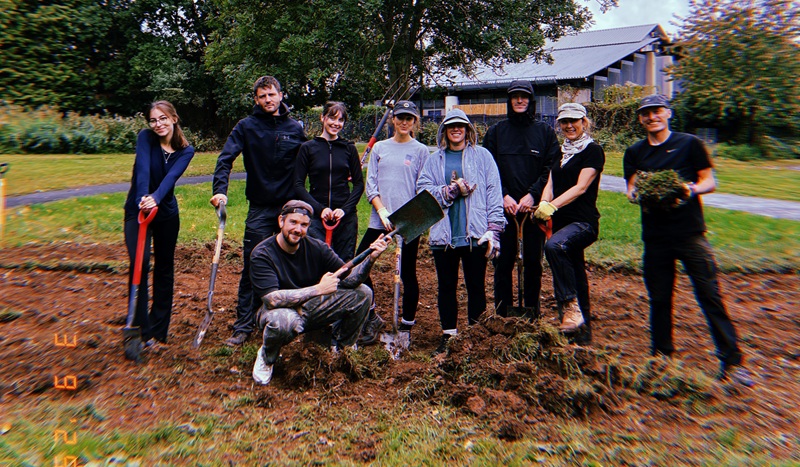
“Becoming a B Corp isn’t just about earning the certification, it’s about committing to continuous improvement in how your business operates. By embedding its principles into your company culture, you will ensure your team understands and embraces the commitment.
“From producing an annual impact report to recertifying every three years, B Corp principles should be woven into the fabric of your business, not forgotten once the plaque is on the wall. Tracking progress and gathering evidence are key to this. At our company, we hold a monthly B Corp team lunch to review each pillar and share updates. Certification isn’t the finish line–it’s the start of an ongoing journey to balance profit with purpose and drive meaningful impact.”
Lucy McKerron, Purplefish PR (BCI profile | B Corp profile)
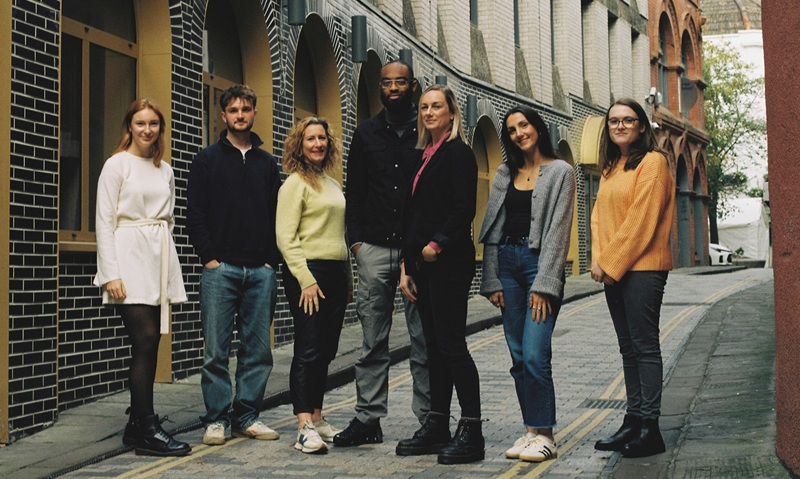
“Give yourself plenty of time. Use the Impact Assessment questions to inform and guide your company policies and business practices before deciding to go for certification, so that the core values of B Corp are already embedded into your culture.
“Learn from others who have been through it but if you can, engage a consultant. We were guided through the process by Byen which made the whole experience very enjoyable.
“Be thorough and meticulous. Continually record and build your evidence to simplify the submission stage.
“Look for easy wins – small changes can have a big impact.
“If you have been honest and evidenced everything, you can be confident of your score when you submit.”
Alexia Mihranian, Osborne Pike (BCI profile | B Corp profile)
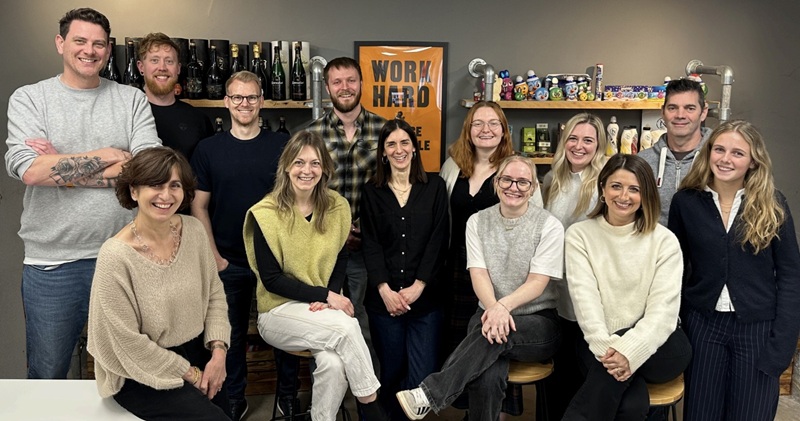
Be authentic
You should become a B Corp because you believe in the philosophy, not because it’ll benefit you, so do it for the right reasons and focus on initiatives that make a real difference to your team, your community and the world around you.
Focus on the Three Ps
People, Purpose and Planet are the cornerstones of being a B Corp. Get those right then in turn it will benefit your Profit.
Build B Corp into your culture
It takes time and energy to live your B Corp values. Embed purposeful initiatives into your company culture and objectives to stay focused and on track.
Make friends
It’s easier (and more impactful) to make a difference if you do so with others! Find your local B Corp community and make partnerships with like-minded businesses around you.
Be adaptable
What it means to be a B Corp changes with the times, so be adaptable to new landscapes within society and the planet as a whole.
Amy Stobie, AgencyUK (BCI profile | B Corp profile)
“The best way to become a B Corp is by not taking it as a set of requirements, but genuinely using them as principles to guide yourself as a business.
“Especially with the upcoming changes, becoming certified is a lot harder if you consider it as the minimum bar to jump. By thinking genuinely about the impact you can and want to make that aligns with who you are as a business it’s far easier to get everyone on board and embed B Corp into your culture, which in turn, makes the accreditation easier too.”
Alistair Paul, Bright (BCI profile | B Corp profile)
“We started our B Corp journey in 2018 and certified in 2019.
“The more we heard about it the more aligned we felt with it and that it gave us a framework to work towards and ultimately the recognition that we were running the company in the right way.
“The key thing is identifying where you feel as a company you can make a meaningful difference across the five core areas assessed. It’s important everyone has a voice and that you are all working towards the same goals you want to achieve.”
Steve Kay, ADLIB (BCI profile | B Corp profile)
“I’d suggest working through the Business Impact Assessment one section at a time. And take your time. Chip away at tasks little and often to make steady progress. Try to set aside dedicated time each week to move forward.
“Share the workload with your team, so you don’t feel overwhelmed. It’s also important that the process feels authentic. Ideally, you’ll find that many of the policies, procedures, or at least values, are already in place in your company. So going B Corp feels natural and genuine, like the next step in your journey.”
Jess Evans, Shaped By (BCI profile | B Corp profile)
“Becoming a B Corp is a transformative journey that reshapes your business around core values centred on people, planet and purpose. At ORCA, these principles have always guided our work, and certification has only strengthened our commitment.
“This process impacts every part of your business, so involve your entire team from the start. Define clear roles and responsibilities to ensure that everyone contributes to the initiatives that drive sustainable change. Embedding these values into daily operations is key, and tapping into the B Corp community for insights and best practices provides invaluable support, reinforcing your mission and driving continuous growth.”
Mila Embury, ORCA (BCI profile | B Corp profile)
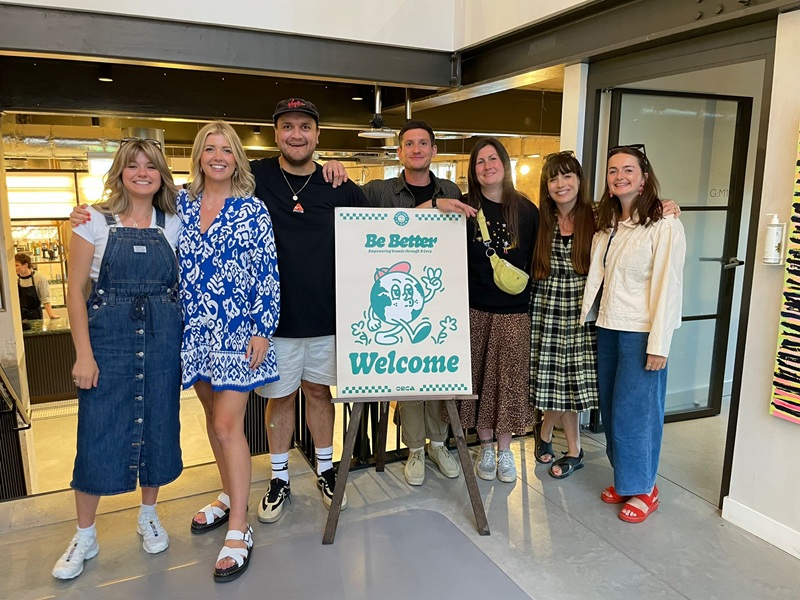
“Get support and carve out time:
“In terms of the application itself, we found some of the questions quite jargon-heavy. So we found it really useful to work with someone who had been through the process who could clarify what sort of information the question needed as a response.
“Having support from an external party also kept us accountable for hitting deadlines around filling in the application. We set aside one day a week during the application process.
“Involve your team:
“It’s impossible for one or two people to do everything. We found that involving the team helped to share some of the responsibilities, as well as adding an element of team-building and fun to the process.”
Karen Pearce, Loom Digital (BCI profile | B Corp profile)
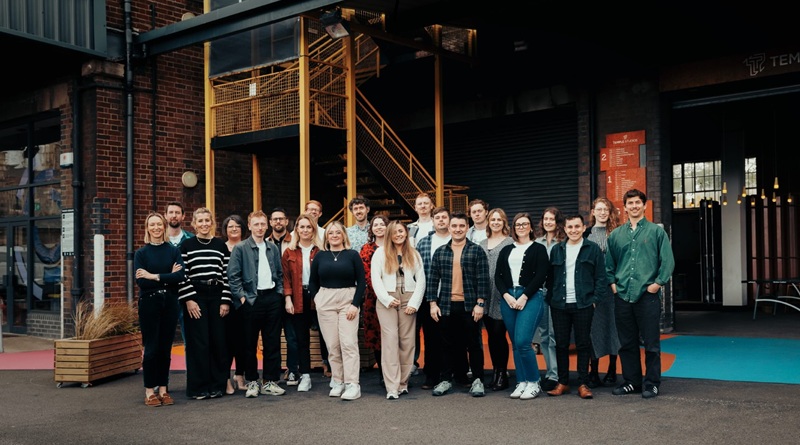
“Becoming a B Corp is just the beginning. Since certification, we’ve partnered with local B Corps to amplify our collective impact.
“We’ve focused on reducing energy consumption by installing new windows. Volunteering with charities like Bristol Zoo Project and St Peter’s Hospice has engaged our team and connected us more deeply to the local community.
“The quickest win? Switching to eco-friendly alternatives like CoCo+ for business travel and Ecosia, the greenest search engine on the planet. It’s the small, habitual changes that make a lasting difference in creating a more sustainable future.”
Lottie Pratt, saintnicks (BCI profile | B Corp profile)
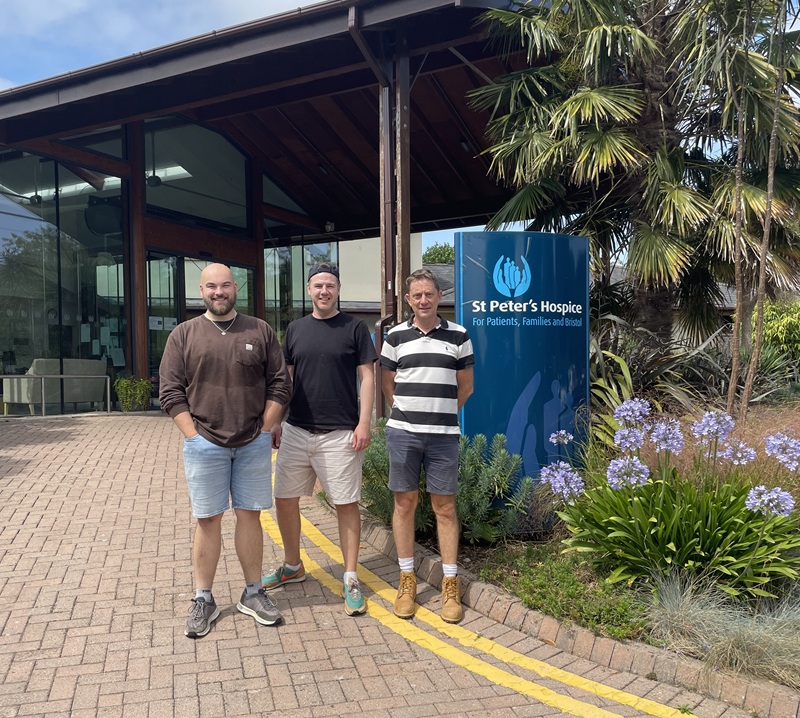
“Being a B Corp is a commitment to ongoing positive change rather than a one-time achievement, a journey rather than a destination to tick off.
“What’s worked for us has been small but regular sustainable changes: changes that can be more easily embedded into business processes, adopted by everyone in the business and built on each year.
“Certification is truly a team endeavour but, practically, it helps to have one project leader to coordinate stakeholders and drive progress.”
Belle Farman, Sunhouse Creative (BCI profile | B Corp profile)
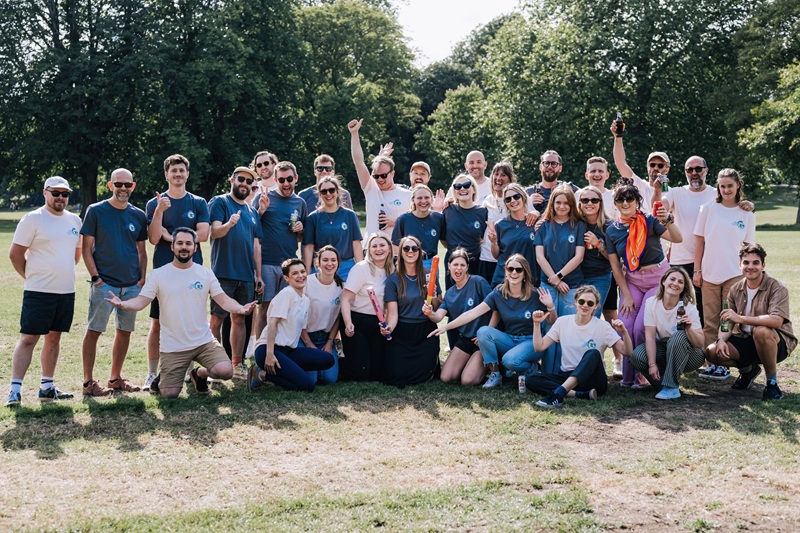
“For us the best advice we can give on how to successfully become a B Corp is simply to do it for the right reasons. If the B Corp set up is right for the values and direction of your business then it’s a no brainer. If however it’s primary use is that of a tool for sales, then reconsider. We’ve noted many controversial and immoral uses of the B logo by organisations hoping it’s a route to easy wins.
“The process of certification was a wonderful and thorough thing for us. It helped us ask questions of ourselves we wouldn’t have normally, set our business on a course for the foreseeable, and helped our team unite under clear and positive values. So our advice would be to enjoy the process with an open and honest mind. Even without certification you will take value from the process.”
Adam Millbank, JonesMillbank (BCI profile | B Corp profile)
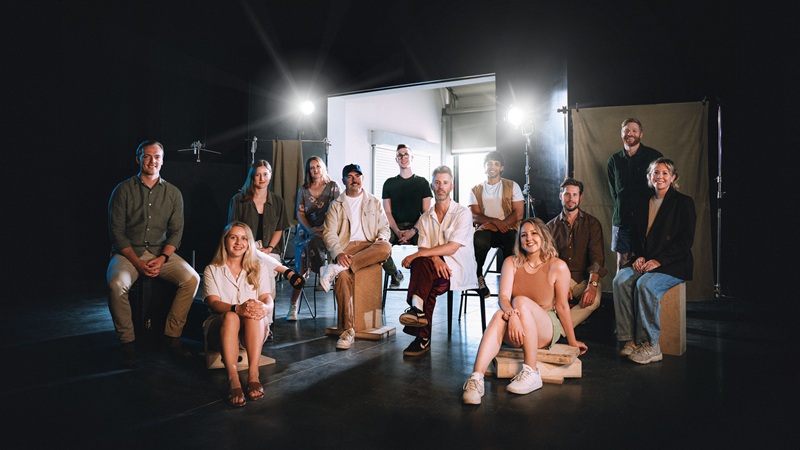
“Becoming a B Corp back in 2022 was a real turning point for us at Skylark. The B Impact Assessment helped us dig into what we were already doing well and where we needed to step up – across governance, team, environment and community.
“My advice? Don’t wait until everything’s perfect – just get started. The Impact Assessment is famously a journey, and with good reason. You’re interrogating every facet of your business.
“In uncertain times, when businesses face economic pressures and competing priorities, it’s easy to let purpose take a back seat. But it’s exactly when people, planet, and integrity are at risk that we need values-led leadership the most.”
Nina Postans, Skylark Media (BCI profile | B Corp profile)
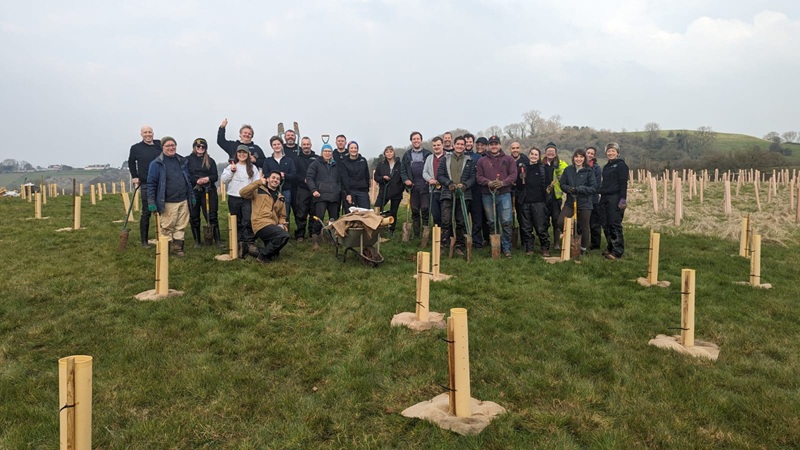
“Involve your team right from the start of your B Corp journey as you can’t do it alone.
“We needed to establish what was important to us and creating a culture where everyone is heard and can contribute means your B Corp statement is authentic and owned.
“We also would recommend being transparent, while creativity can be a force for good we also needed to be upfront with the sectors that we work in that can be playing catch up as they navigate change in sustainability.”
Ruth Clarke, Six (BCI profile | B Corp profile)
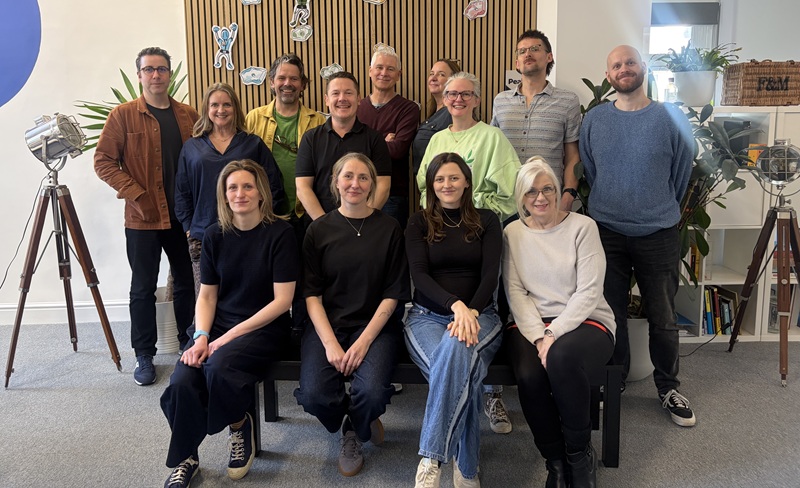
“Becoming a B Corp has been a hugely positive step for us, and something we’d absolutely encourage other creative businesses to explore.
“If you’re thinking about it, start with the Impact Assessment. Treat it as a diagnostic tool first – you’ll probably discover that you’re already doing a lot of positive things for your team, community and the environment, but simply haven’t captured or measured them yet.
“Our second tip is to focus on the areas where creative businesses naturally have influence: how you support your people and community, and the environmental impact of your operations.
“Finally, remember that B Corp is about continuous improvement. Certification is just the starting point – the real value comes from using the framework to keep strengthening your impact as you work towards recertification.”
Ricardo Martins, Epoch (BCI profile | B Corp profile)
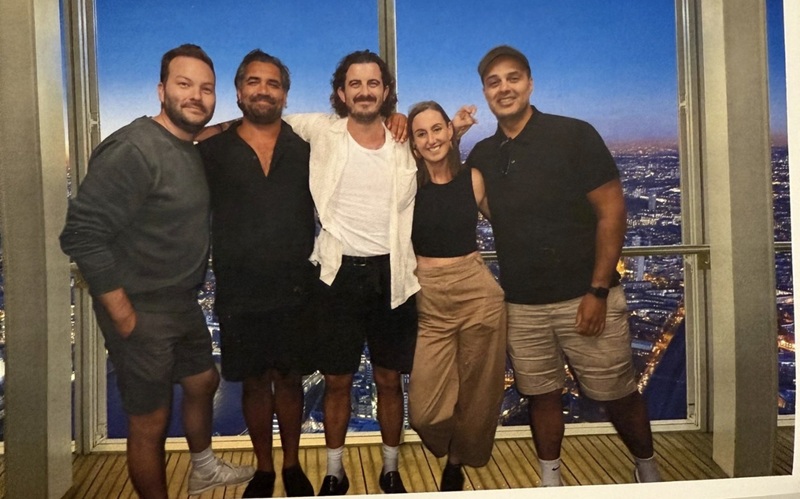
“Becoming a B Corp was a natural step for us at S&B Originals. For 20+ years we’d built the business around doing the right thing, not just environmentally but for our team and wider community. B Corp gives us a framework to measure and improve that.
“My advice? If you’re thinking about going for it, chances are you’re already doing a lot right so don’t be daunted. Ask for help and chat to others who have been on that journey. And if it feels like too much, start small, become a Living Wage employer, get involved in your local community. The B Corp badge is great, but working ethically is what matters most.”
Sara Strickland, S&B Originals (BCI profile | B Corp profile)

“Becoming B Corp Certified is vital for any business wanting to shout about their environmental or social credentials. Without this mark of trust and authenticity, you risk ‘talking the talk’ but not ‘walking the walk’.
“Being B Corp Certified means understanding and evidencing what you do (in fine detail), as well as understanding how you can improve, not to mention being honest and transparent about it.
“If you’re considering the B Corp journey, amazing! It has been invaluable for our business in so many ways. My best piece of advice would be to work with a B Leader to help guide you through the process as it is both lengthy and detailed. Be prepared to look at every corner of your business under a microscope, embrace that challenge and reap the multitude of benefits later.
Simon Winter, Winter Design (BCI profile | B Corp profile)
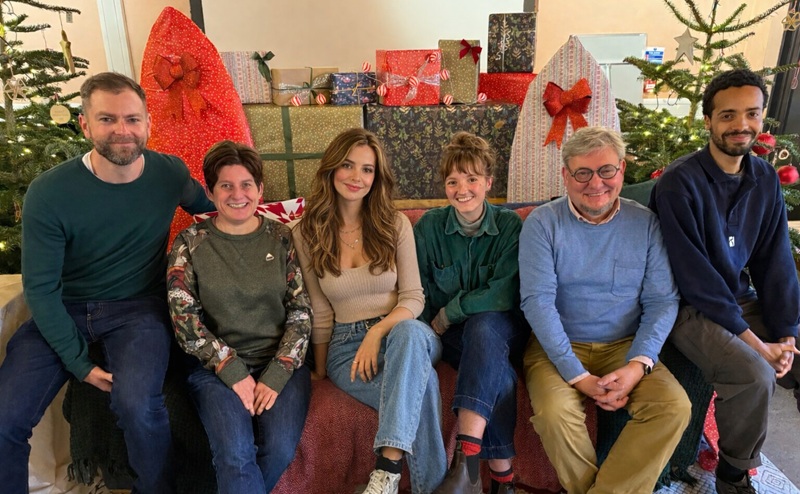
“My first ‘tip’ would be to recognise that becoming a B Corp starts with the right mindset. It’s definitely not about ticking boxes and filling-in forms (although there is a fair bit of that!). It’s all about looking at how your business really works – how you treat people, how you make decisions, the impact you’re having on the world around you. Once you start thinking like that, the assessment becomes much more interesting (possibly even enjoyable?).
“You’ll discover things you’re already doing well, and start finding ideas for doing things even better. Absolutely get the whole team involved, be open and honest, and keep good evidence as you go. The real reward isn’t just the certification. It’s building a better, more inclusive and more thoughtful business along the way.”
Phil Robinson, Proctor + Stevenson (BCI profile | B Corp profile)
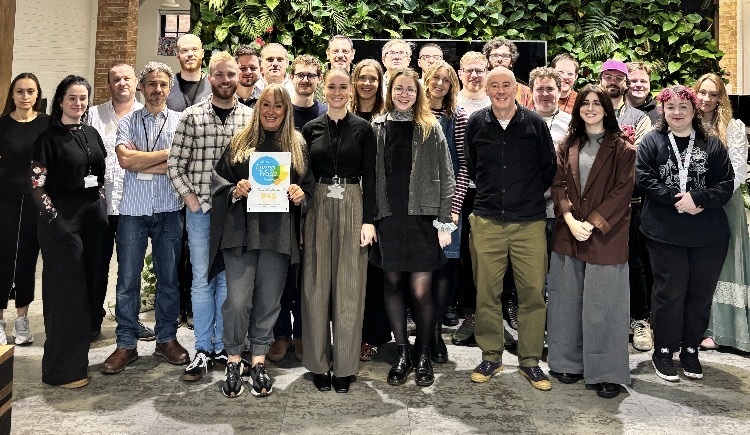
“The biggest tip I’d give to any business considering B Corp is to treat it as a framework for improvement. From working on your own certification and speaking to clients who have through the process, the businesses that get the most value are those that are honest about where they are now and use the assessment to prioritise meaningful change. B Corp gives you structure, language and accountability, but it works best if it’s embedded into how decisions are made day to day.”
Elli Robinson, AMBITIOUS (BCI profile | B Corp profile)
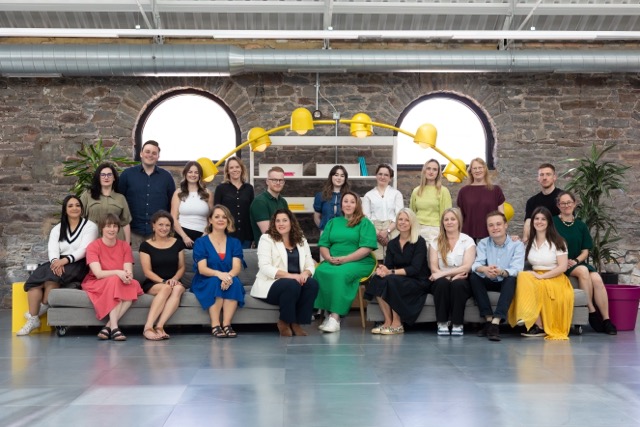
“Our biggest tip for becoming a B Corp is to treat each pillar of the B Impact Assessment as its own project. Breaking the process into manageable chunks makes it far less overwhelming and helps you stay focused. Remember, everything must be backed by evidence, so transparency is key from the start.
“At its core, B Corp is about putting structure behind your intentions. It’s about committing to continuous improvement and using your business as a force for good. For us, that’s included everything from strengthening our policies to volunteering initiatives and driving measurable impact for people and the planet. It’s an ongoing commitment to do better and keep challenging ourselves to raise the bar.”
Andrea Jonat, Grace & Green (BCI profile | B Corps profile)
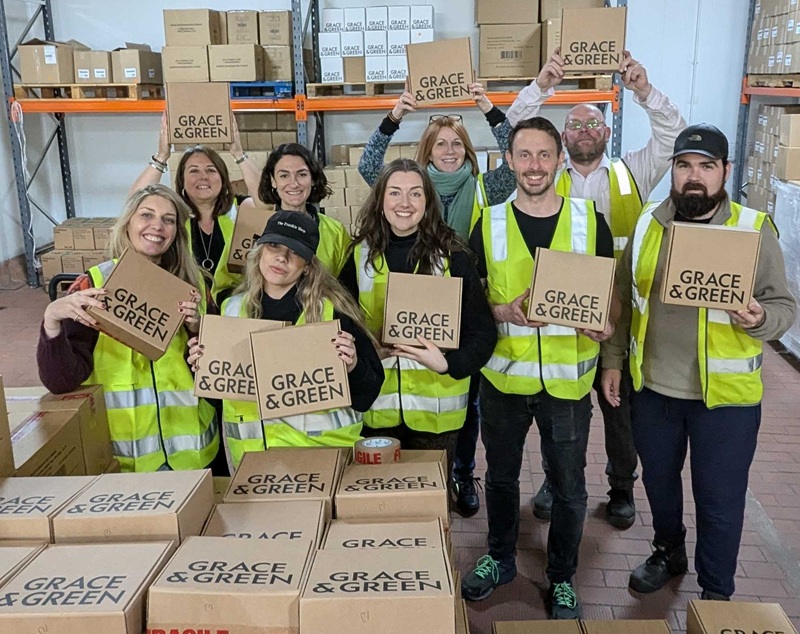
“Becoming a B Corp as a digital agency starts with aligning your mission, operations, and impact. Begin by understanding the B Impact Assessment and benchmarking your current practices. Strengthen governance by embedding purpose into your legal structure. Improve employee wellbeing, diversity, and professional development. Audit your environmental footprint—optimize energy use, hosting, and remote work policies. We engaged Andy Hawkins at Business On Purpose to demystify the Impact Assessment and guide us through the process; this proved invaluable.”
Pete Williams, Gibe Digital (BCI profile | B Corp profile)
The creative industries contributed £145.8bn in gross value added (GVA) to the UK economy in 2024, new government figures have revealed.
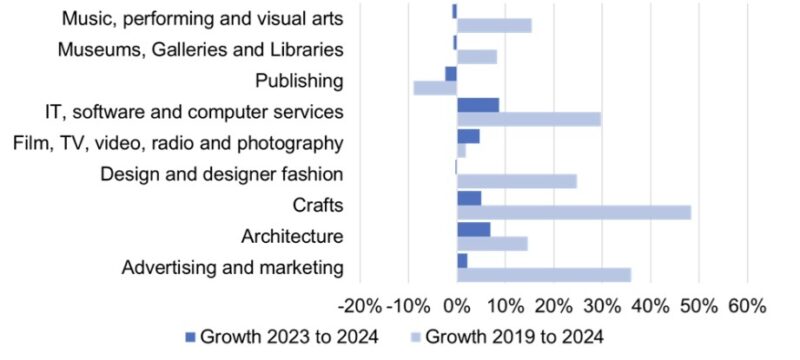
Creative industries GVA rose by 4.6% between 2023 and 2024, compared to the UK economy as a whole which grew by 1.0%, the data from the Department for Culture, Media Sport (DCMS) shows.
The sector’s GVA was 19.7% higher than pre-pandemic (2019) and 60.3% higher than in 2010, in real terms.
The growth was driven by the ‘IT, software and computer services’ subsector which increased by an estimated 8.7%, followed by ‘film, TV, radio and photography’ and ‘advertising and marketing‘ which grew by 4.6% and 2.1% respectively.
‘IT, software and computer services’ is the largest subsector of the creative industries by GVA, contributing an estimated £62.4bn in 2024. ‘Advertising and marketing’ is the next largest with £24.3bn.
Growth in creative industries subsectors, in chained volume measures (CVM):
Other data released this month showed the creative industries account for almost a 10th of UK firms classified as having ‘high-growth potential’, and a lot of those businesses are in Bristol and the south west.
The DCMS report also included data for the cultural sector which contributed an estimated £40.3bn in 2024, accounting for 1.5% of UK GVA.
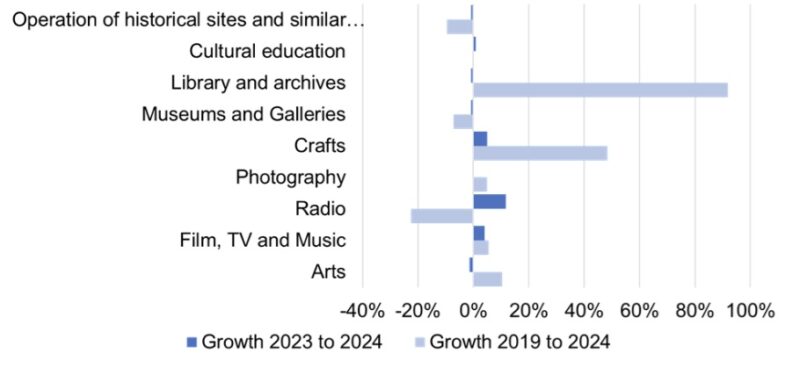
GVA grew by around 2.4% from 2023 to 2024, compared to the UK economy as a whole which grew by 1.0%. From 2010 to 2024, culture GVA grew slightly faster than the UK economy (25.4% vs 24.3%).
DCMS said the increase in cultural sector GVA was almost entirely due to a 4.1% increase in the ‘film, TV and music’ subsector.
The subsectors that saw the largest relative growth in cultural sector GVA were the ‘radio’ which increased by an estimated 11.8% and ‘crafts’ subsector which grew by an estimated 4.9%.
‘Film, TV and music’ is the largest cultural subsector in size economically, contributing an estimated £23.8bn to the UK economy in 2024. The second largest is ‘arts’ with £11.4bn.
Growth in cultural sector subsectors, in chained volume measures (CVM):
Alongside the data for the growth of the creative industries, the government has announced new funding and related support for creative businesses.
It follows the publication last year of the creative industries sector plan. In addition, the creative industries is one of the eight key sectors of focus in the government’s industrial strategy and the West of England is one of the government’s priority areas for the creative industries. As part of that, the £25m Creative Places Growth Fund will run for three years from April 2026.
The new funding and support announced this month is:
DCMS has also published new resources to help creative businesses access funding including a map of finance available to the sector, and case studies of successful creative scale-ups.
Bristol Creative Industries also a regularly updated guide to funding for creative industries businesses in the West of England here.
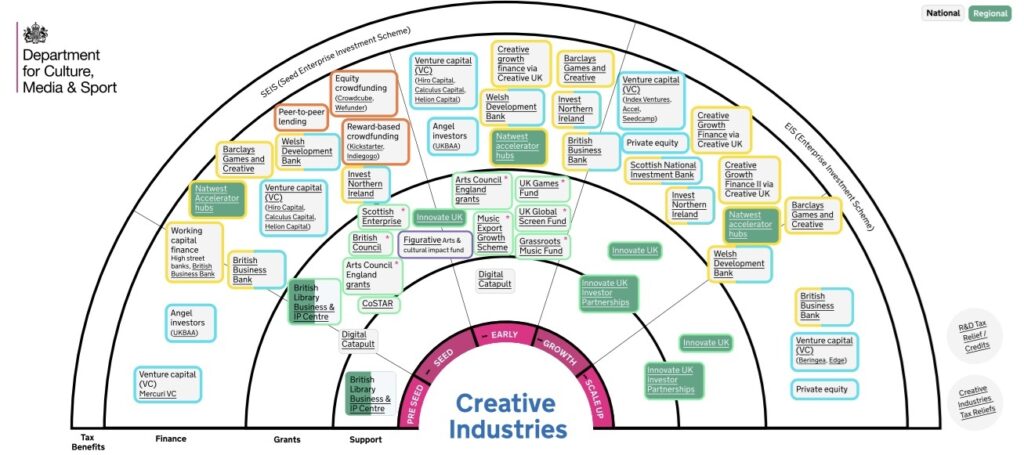
Click on the map for links to all the sources of creative industries funding
The creative industries account for almost a 10th of UK firms classified as having ‘high-growth potential’, and, in exciting news for our region, a lot of those businesses are in Bristol and the south west.
The report by the Creative Industries Policy and Evidence Centre (Creative PEC) and Beauhurst found there are almost 6,000 high-growth potential firms (HGPFs) operating across the creative industries. This is 9.7% of the UK’s total HGPFs and it compares to 5.1% and 2.4% respectively in life sciences and advanced manufacturing.
While London accounts for half of creative industries HGPFs with 2,942 firms, the report said other regions are home to significant numbers including 362 in the south west and, when looking at the top local authorities by number of creative industries HGPFs, Bristol is in 9th place with 129.
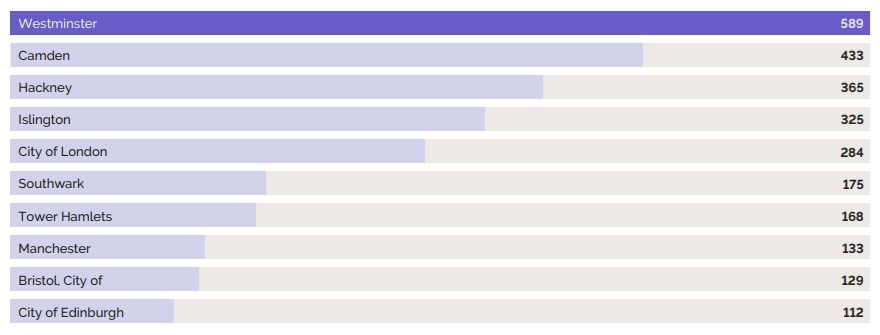
Over two-thirds (3,981) of creative industries HGPFs operate in application software, with significant numbers too working in marketing, branding and advertising, films and TV and video games.
The report said the figures show there is “huge untapped investment potential” for the UK’s creative industries, which currently face many challenges when it comes to funding.
The number of equity deals for creative industries HGPFs fell by 16.5% between 2021 and 2024, compared to drops of 6% for life sciences, 14% for advanced manufacturing HGPFs and 30.6% for the economy as a whole.
Creative PEC estimated there’s an equity gap of up to as much as £1.4 billion in potentially unmet demand in the creative industries.
Creative businesses also face structural challenges in relation to debt finance, the report said. They are more generally are more likely to have asset bases that are made up of intellectual property, brands and other forms of intangible capital which banks and lenders are less likely to accept as collateral.
This is shown by data which found that only 4% of creative industries HGPFs have secured debt finance compared with 6.1% and 6.2% of life sciences and advanced manufacturing HGPFs respectively.
The report highlighted Bristol Creative Industries member Watershed, which operates an independent cinema and supports creative technology, film, and media projects, as an example of how funding can work for the creative industries.
It said Watershed has received multiple grants from Arts Council England and Innovate UK, including £2.3 million grant from the Arts Council’s Grants for the Arts in 2022.
Its most recent Innovate UK grant was £1.2m in 2021 to support the MyWorld programme, led by the University of Bristol, which develops R&D infrastructure and new talent for immersive media in the Bristol and Bath region.
Additionally, MyWorld, also a Bristol Creative Industries member, is backed by a £30 million UKRI Strength in Places Fund award, which the report said illustrates how place-based UKRI funding and Innovate UK project grants specifically often work together.
Hasan Bakhshi, director of Creative PEC and report co-author, said:
“There are somewhere between 260,000 and 270,000 firms in the UK’s creative industries but not all of them have the same growth potential. Our research estimates that within this population are a vital group of almost 6,000 businesses that have especially high-growth potential.
“Given the UK’s well-known strengths in IT, it won’t be surprising to investors that the majority of these firms operate in software, but less well known will be that as many as 30% of creative industries high-growth potential firms working in software work in sub-sectors like advertising, films and TV, video content and video games too.
“This suggests that investors may identify significant new investment opportunities if they include the creative industries within the scope of their prospecting activities. Growth-focused policymakers for their part should consider the needs of high-growth potential creative industries firms in their regions.”
Baroness Shriti Vadera, co-chair of the Creative Industries Council, said:
“This research fills a critical gap in the evidence base, making clear that there are substantial untapped investment opportunities in the UK’s high-growth creative industries – across a wide range, from advertising, films and TV to video games and software.”
Tom Adeyoola, executive chair of Innovate UK, added:
“This is an important report as we aim to drive economic growth and ensure a thriving creative industries sector. This helps us understand who and where the high potential businesses are, the conditions for success and how to target the interventions needed to drive our breakthrough ideas to global greatness.”
For the latest available funding for creative businesses, read our guide.
Find lots of great creative industries businesses in our member directory.
In summer 2021 we ran an event discussing funding for creative businesses with the south west team at Innovate UK EDGE and a group of Bristol Creative Industries members.
During the discussion, attendees said it would be useful if we could provide regular updates on the finance schemes that are available for creative companies in the south west and beyond. This guide is our response.
The guide is one of Bristol Creative Industries’ most popular ever blog posts. We keep it updated with the latest funding schemes for creative businesses so check it regularly. We also include the post in our monthy email newsletter, BCI Bulletin. To sign up, go here.
The West of England is one of the government’s priority areas for the creative industries and the West of England Combined Mayoral Authority has received £25m of the funding to support the region’s creative industries through the Creative Places Growth Fund.
The fund is due to launch this autumn and run until March 2029. Read more details about the fund here. We will provide full details when the fund is launched. Sign up to the BCI Bulletin newsletter for updates.
The British Business Bank, the government-owned business development bank, has launched the £200m South West Investment Fund (SWIF) “to help address market failures by increasing the supply and diversity of early-stage finance for UK smaller businesses, providing funds to firms that might otherwise not receive investment”.
Aimed at businesses in Bristol, Cornwall and the Isles of Scilly, Devon, Dorset, Gloucestershire, Somerset and Wiltshire, the fund provides:
SWIF is managed by four fund managers:
The region is split as follows:
North of the region:
South of the region:
The funding is split as follows:
Businesses can apply for funding directly to the relevant fund managers here.
Grants of £2,500 to £10,000 are available to help small businesses, sole traders, charities, community interest companies (CICs), community organisations and creative and cultural groups open new premises.
The deadline for applications is 11.59pm on Monday 30 November 2026. If all available funding is allocated before the deadline, the scheme may close early.
Successful applicants must start trading from the funded property by Friday 26 February 2027.
The £4.5m Greenlight West fund supports ambitious screen productions that will bring investment, jobs, skills and wider economic benefits to the West of England.
This £35m Creative UK and Triodos Bank investment fund provides loans of £100,000 to £1m.
Finance is directed to post-revenue creative businesses presenting promising growth potential and who:
Arts organisations, museums and libraries can apply for five years of investment to deliver creative and cultural work in England from 1 April 2028 to 31 March 2033.
Applications are open from 20 October until 15 December 2026.
This Arts Council fund supports creative and cultural organisations in England in revitalising, restoring, retrofitting, or renewing cultural assets, including urgent work which prevents organisations from effectively delivering work for the public.
PRS Foundation offers various grant funding schemes for music creators and organisations, including The Open Fund for Music Creators and The PPL Momentum Music Fund for artists/bands to break through to the next level of their careers.
The Black Artists Grant, offered by Creative Debuts, is £500 no-strings attached financial support to help Black artists.
The fund is an open access programme for arts, libraries and museums projects.
Funding of between £1,000 and £100,000 is available.
Loans of between £100,000 and £1.5m to UK charities and social enterprises based in England, Wales and Scotland.
Established games companies with a track record and a game development project at an early stage can apply for grants up to £100,000.
Grants of £100,000 – £250,000 for games companies with a commercial entertainment game prototype.
Funding of between £20,000 and £50,000 for social enterprises grow. Repayments are based on a percentage of revenue so if revenue falls, repayments reduce.
This fund from Arts Council England supports individual cultural and creative practitioners in England thinking of taking their practice to the next stage through things such as: research, time to create new work, travel, training, developing ideas, networking or mentoring.
Grants of between £2,000 and £12,000 are available.
The latest round of funding has yet to be announced.
Craft practitioners and organisations can apply for small grants to fund projects that support endangered crafts. The deadline is 5pm on 16 October.
Travelwest provides match-funded grants for initiatives that improve sustainable travel provision in a business.
The aim is to provide financial support and incentives to employers to enable them to encourage sustainable modes of commuting or in-work travel (including site visits and meetings) amongst their staff.
The grants can be used for the implementation of physical measures, promotional events or any other measure that will encourage mode change amongst staff.
Grants are currently availables for businesses in Bristol and North Somerset.
Innovate UK’s £100m BridgeAI programme aims “to help businesses in high growth potential sectors such as creative industries, agriculture, construction, and transport to harness the power of AI and unlock their full potential”.
The programme offers funding and support to help innovators assess and implement trusted AI solutions, connect with AI experts, and elevate their AI leadership skills.
This fund supports organisations who work at the intersection of art and social change. It offers grants between £90,000 and £300,000 over three years.
Applications are currently closed but see below for more info.
This new £23m social impact investment fund is for socially driven arts, culture and heritage organisations registered and operating in the UK. It offers loans between £150,000 and £1m repayable until May 2030.
The Elephant Trust says its mission is to “make it possible for artists and those presenting their work to undertake and complete projects when frustrated by lack of funds. It is committed to helping artists and art institutions/galleries that depart from the routine and signal new, distinct and imaginative sets of possibilities.”
Grants of up to £5,000 are available. The next round of applications opens on 18 September 2026, with a deadline of 18 October 2026.
Grants of up to £100,000 are available for arts, libraries and museums projects.
The grants support a broad range of creative and cultural projects that benefit people living in England. Projects can range from directly creating and delivering creative and cultural activity to projects which have a longer term positive impact, such as organisational development, research and development, and sector support and development.
Grants of up to £3,000 for individuals at producer level or above in unscripted TV development who are between contracts or on a short-term contract of less than six months.
Applications are assessed on a rolling basis. The funding is available until 31 March 2027.
The BBC’s £1 million fund to back small independent production companies.
The Small Indie Fund, TV supports small companies working across children’s, comedy, entertainment, factual, film, daytime and drama.
The Small Indie Fund, Digital aims to grow digital expertise, offering targeted investment and mentors across TV and digital commissioning teams.
The deadline for applications is 22 December.
The UK Global Screen Fund (UKGSF) is designed to boost international development, production, distribution, and promotional opportunities for the UK’s independent screen sector. It has the following schemes:
This fund aims to grow exports and global demand for UK independent film by supporting the UK film industry to achieve measurable results which would not have been achievable without the support.
Applications close on at 11.59pm on 31 March 2028.
This scheme supports the festival launch of UK films in order to enhance their promotion, reach and value internationally.
Applications close on at 11.59pm on 31 March 2028.
Supports UK producers to work as partners on international co-productions and help create new global projects.
The next round of funding is due to open for applications in September 2026.
Grants to support the marketing, promotional and technical costs associated with the release of a UK game in international territories.
The latest round of funding opens for applications in autumn 2026.
Awarding National Lottery funding to develop innovative new solutions which tackle the UK screen sector’s most critical challenges.
Between 2026 and 2029, up to 12 challenge calls will be identified where innovative new thinking could catalyse a step change in the industry, while producing learning and insights that benefit the whole screen sector.
Funding for independent non-fiction film and immersive projects by UK filmmakers.
Supports early career filmmakers with original and fictional shortform projects of up to 15 minutes in length in live action, animation and immersive/virtual reality.
Grants awards of between £5,000 and £25,000 are available. The next round of applications is scheduled for spring 2027.
Thsis scheme awards National Lottery funding to support the exhibition and distribution of nationally significant audience-facing independent film and immersive projects.
A Start Up Loan is a government-backed unsecured personal loan for individuals looking to start or grow a business in the UK. Successful applicants also receive 12 months of free mentoring and exclusive business offers.
All owners or partners in a business can individually apply for up to £25,000 each, with a maximum of £100,000 per business.
The loans have a fixed interest rate of 6% p.a. and a one to five year repayment term. Entrepreneurs starting a business or running one that has been trading for up to three years can apply. Businesses trading for between three and five years can apply for a second loan.
If you’re running a creative social enterprise you may be able to access funding from UnLtd.
Finance of up to £5,000 is available for starting a social enterprise and up to £15,000 for growing a social enterprise.
Successful applicants also get up to 12 tailored business support plus access to access to expert mentors and workshops.
Businesses can apply for up to £3,500 to cover the costs of installing gigabit broadband.
Check if the scheme is available in your area here.
Grants to provide support towards the costs of the purchase, installation and infrastructure of electric vehicle chargepoints at eligible places of work.
The scheme covers up to 75% of the total costs of the purchase and installation of EV chargepoints (including VAT), capped at a maximum of £350 per socket and 40 sockets across all sites per applicant.
The deadline for applications is 11.59pm on 31 March 2027.
This grant supports the uptake of electric vans and trucks. It currently offers discounts up to £2,500 for small vans, £5,000 for large vans, £16,000 for small trucks, and £25,000 for large trucks.
On 18 August 2025 the government announced the plug-in van and truck grant has been extended until 2027.
If you know of another scheme that we haven’t listed and you’d like to share it with other creative businesses, email Dan to let us know.
Tom Bowden-Green, Bristol Creative Industries board director and a senior lecturer in marketing within Bristol Business School at UWE Bristol, shares an update on how we are supporting students to pursue creative sector careers and connecting them to employers looking for talent.
“Ask me what my three priorities are as a board director at Bristol Creative Industries and I tell you education, education, education…” OK, I may have borrowed that from a former prime minister 30 years ago (yes 30 years!), but developing ‘talent’ is one of the reasons BCI exists, and a key pillar in our overall strategy.
We are really lucky in this region to have four great universities, and many wider colleges and schools, supporting the creative sector. Whether you want to employ students and/or graduates, or learn from academics engaged in relevant research, there are plenty of opportunities for greater links between members and educators. So, what does this mean in practice?
Number one, we have a database of members who want to support students and educators in the region. This might involve offering mentoring or work experience during holidays, for example, or perhaps providing longer term placements or part time employment.
There are also opportunities to provide more structured support such as talks and guest lectures within established programmes. UWE, for example, has a scheme called Course Connect, linking businesses to specific and relevant modules.
If you’re a BCI member and you’d like to support these efforts, email Alli Nicholas at [email protected]
We’re also growing our BCI student membership. It remains free, and we are going to be increasing the specific activity for these members. As well as providing tickets to some of our events, we intend to increase regular communication through a dedicated student newsletter. If you have an opportunity to share with students of any level, we’d be happy to communicate this through the newsletter.
In the longer term, we are also planning a dedicated student conference in early 2027. We’d love volunteers to speak to students about working in the creative industries, plus there are likely to be sponsorship opportunities. Do let us know if either appeals to you. Email Alli Nicholas at [email protected]
So, what kind of students do we envisage working with as we expand student activities? Well, we already have hundreds of student members, many of whom attend university courses in the region. For example, many of you are involved in some aspect of marketing, and there are thousands of marketing students in the region.
However, there are also many students studying broader creative topics relating to TV and film or digital technology for example. Whatever your expertise or niche, there is bound to be a course and a cohort of students who could benefit from your expertise. Many will also be seeking employment in the years to come.
Of course, university education is not the only route into the creative industries. Student membership is therefore open to students at all levels, including those in post-16 education, and those studying courses later in life. Opportunities to engage therefore include post-16 courses, such as apprenticeships, T-levels, and a range of relevant A-level, as well as postgraduate degrees and professional qualifications.
Beyond working with students directly though, there are many wider benefits of engaging with educators and academics. BCI signed a memorandum of understanding with UWE last year, with an intention to benefit from broader collaboration such as research and knowledge exchange.
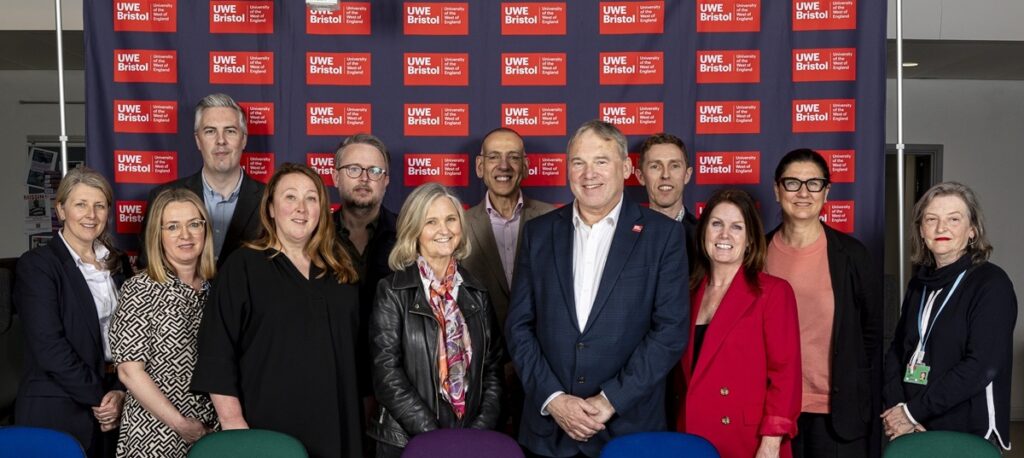
BCI has recently supported various Skills Bootcamps for example, including the ‘Broadcast to Branded’ Skills Bootcamp relating to TV and Film production, as well as skills bootcamps in digital marketing and the creative industries.
Whether you’re seeking to attend a bootcamp, or share expertise with learners, there will be many opportunities in the coming months, and probably wider training courses beyond bootcamps. There are also opportunities for research collaboration, including funded Knowledge Transfer Partnerships. If you have a problem requiring an academic mind, just let us know.
On 25 February, we will be hosting our first BCI event at Bristol Business School. This will be a chance to network with academics and others from the creative industries, but also a great opportunity to hear about specific research relating to marketing and psychology. Come along, meet those teaching and researching in this area, ask questions and let us know how we can help you.
The opportunities are broad and varied. I feel a new dawn is breaking, is it not?
Top image credit: © Tom Sparey, All Rights Reserved.
Bristol is preparing to take its first steps towards a potential bid to become the UK City of Culture in 2029, a title that celebrates creativity, community, and the power of culture totransform lives.
On Tuesday 20 January councillors agreed to submit an expression of interest to the Department for Culture, Media and Sport (DCMS). This marks the beginning of a journey that could see Bristol shortlisted for one of the country’s most prestigious culturalhonours.
The UK City of Culture programme shines a national spotlight on the cultural life of cities, bringing opportunities for residents and visitors to experience creativity in new and exciting ways.
Previous winners have seen lasting benefits: increased local pride, stronger community connections, and a boost to the local economy through tourism and investment.
For Bristol, the ambition is clear: to use culture as a force for inclusion and opportunity.
Philip Walker, head of culture at Bristol City Council, said:
“Our city is renowned for its creativity – from street art and music to festivals and independent venues. While we take pride in our city’s offer not everyone has equal access to cultural experiences. Barriers such as cost, location, and representation mean some communities feel disconnected from Bristol’s cultural offer.
“A bid for UK City of Culture would aim to change that. The UK City of Culture programme is about more than events and festivals – it’s about creating lasting change. For Bristol, this means cementing culture as a means to tackle inequality, strengthen communities, and inspire future generations.
“It means celebrating what makes the city special while opening doors for those who feel excluded. A Bristol approach is one that is rooted in its grassroots cultural scene – the community-led projects, local artists, and neighbourhood initiatives that give our city its distinctive character. By building from the ground up, our bid would seek to ensure that everyone, regardless of background or postcode, can experience and benefit from Bristol’s vibrant cultural life.
“We want to empower a whole city bid that captures the spirit of the sector and the communities of Bristol. Should the committee give us the go ahead to start the bidding process we want to build a bid on the power our cultural offer has to bring people together, foster understanding, and strengthen the voices of our communities.”
LaToyah McAllister-Jones, founding partner and lead facilitator at Citizens for Culture, said:
“After more than a decade working in Bristol’s cultural sector, I’ve seen first-hand the extraordinary breadth of creativity this city offers. As a founding partner of Citizens for Culture, Bristol is already shaping its cultural future with its citizens. This bid is about Bristol’s role in the wider West of England ecosystem and how UK City of Culture can deliver lasting regional benefit.”
Bristol now join other cities in the race to become UK City of Culture 2029. The process involves several stages, starting with the expression of interest and leading to a shortlist of cities invited to develop full bids.
We are proud to have several cultural businesses and organisations as Bristol Creative Industries members. They include:
Design West | RWA (Royal West of England Academy) | Watershed | Bristol Beacon | Curzon Cinema & Arts | St George’s Bristol | Bristol Cathedral | We The Curious | Tobacco Factory Theatres | Aardman Animations | Wake The Tiger
At Bristol Creative Industries, we’re committed to informing young people about the diverse range of job roles within the creative sector.
Over the coming months, we’ll be catching up with some of the inspiring people within the BCI network to learn about their career journeys and hear their top tips for anyone starting out in the industry.
To kick things off, we spoke to Tom Harber, CEO at Aer Studios, a creative technology studio based in Box, Wiltshire.
The variety. Through my work in creative agencies and studios, I’ve worked across just about every major industry sector. No one week feels like the last and I am constantly learning and growing, with new problems to solve.
I started out at Red Bull in the events marketing team. I then moved to a Bristol-based design agency called Epoch, working with some of the world’s biggest brands, including Coca-Cola and Unilever. After a short stint running my own creative studio, I then led a team creating adverts for financial services and consumer brands at a well-known creative agency called Bray Leino.
After that, I travelled to Sydney Australia to become Managing Director/Partner of an agency there. That company was acquired by a larger business, so I helped integrate the two companies before moving back to the UK during the pandemic! I had an interim role as a Global Chief Marketing Officer in London, but then moved back to the South West to become CEO of Aer Studios. I now co-own the business too.
Aer Studios is a creative technology studio. We blend user-centred design and creative problem solving with cutting edge technology. This means that we help our clients to apply technology in ways that a range of people can use. Overall, we want to create meaningful digital experiences that have a positive impact on both people and the whole planet.
Our team is a mixture of user experience (UX) and user interface (UI) designers, as well as researchers and software engineers. You need to have some experience of working with technology as well as being able to consider how people will actually use it.
We advertise for roles on our website and other job boards including Bristol Creative Industries and TechSPARK. When searching for a more specialised role, our head of People & Culture, Emily, will source candidates directly, primarily through LinkedIn. We use industry specific recruiters from time to time (eg. AdLib, SR2) but the majority of our roles will be sources directly or will come from inbound enquiries.
Stay uncomfortable. If you feel comfortable in your work, the likelihood is you won’t be stretching yourself to your full potential. Constantly seek out ways to challenge yourself and do the thing that feels beyond your capability. Because, more often than not, you will surprise yourself. It keeps things more interesting and it’s where the best creative work is done.
You can find Aer Studios’ Bristol Creative Industries profile here.
You can learn more about me on LinkedIn here and more about Aer Studios here.
One of the big benefits of Bristol Creative Industries membership is the ability to self-publish content on our website. We’ve seen lots of great content published in 2025 including some brilliant business advice.
Here are the 30 most popular advice posts of the year. The list includes some posts from previous years that have continued to attract views thanks to their great tips.
Keep up to date with members’ advice throughout 2026 via our newsfeed.
Want to publish business advice on our website and make it into the top 30 most popular content in 2026? Become a member of Bristol Creative Industries.
—–
Posted by Carnsight Communications
Click below or read the article here.
Posted by Halo
Click below or read the article here.
Posted by Moxie and Mettle
Click below or read the article here.
Posted by Imagineerium
Click below or read the article here.
Mastering the Art of Pop-Up Experiences: A Guide for Experiential Designers
Posted by Bill Mansfield
Click below or read the article here.
Revolutionising Creativity: How Artificial Intelligence is Empowering Creatives
Posted by Varn
Click below or read the article here.
Is AI Crawling Your Website? How to Check and Why It Matters
Posted by Moxie and Mettle
Click below or read the article here.
Written by Varn
Click below or read the article here.
Posted by Moxie and Mettle
Click below or read the article here.
Posted by Carnsight Communications
Click below or read the article here.
Posted by Growth Space
Click below or read the article here.
Reflective Goal Setting for 2025: A Guide to Personal and Business Growth
Posted by Janusz Stabik
Click below or read the article here.
Posted by Blog Write Ltd
Click below or read the article here.
Posted by Varn
Click below or read the article here.
Is AI Crawling Your Website? How to Check and Why It Matters
Posted by Un:Fade Employee Benefits Consulting
Click below or read the article here.
Posted by Duchess Media
Click below or read the article here.
What the new HFSS ad rules mean for Hospitality (and why you shouldn’t panic!)
Posted by Ambitious
Click below or read the article here.
Posted by Varn
Click below or read the article here.
Posted by Varn
Click below or read the article here.
Why schema markup is important for AI search and how to do it
Posted by SIM7
Click below or read the article here.
Posted by Carnsight Communications
Click below or read the article here.
Posted by Varn
Click below or read the article here.
Posted by Proctor + Stevenson
Click below or read the article here.
Posted by Carnsight Communications
Click below or read the article here.
Posted by Varn
Click below or read the article here.
SEMRush vs Google Search Console: How Accurate is SEMRush Organic Data?
Posted by Weston College
Click below or read the article here.
How Video Gamers Bring Unique, Transferable Skills to the Workplace
Posted by Gather Round
Click below or read the article here.
Posted by Tell ’em Mo
Click below or read the article here.
Posted by Growth Space
Click below or read the article here.
Help Your Team Manage Stress and Build Resilience: 10 Tips for Leaders
Posted by Blog Write Ltd
Click below or read the article here.
Want to publish business advice on our website and make it into the top 30 most popular content in 2026? Become a member of Bristol Creative Industries.
You need to load content from reCAPTCHA to submit the form. Please note that doing so will share data with third-party providers.
More Information