The workplace is rapidly changing, but workplace practices, norms, infrastructure and management is struggling to catch up. Digital transformation is estimated to be worth over $400 bn in 2021 and is projected to continue to grow by 25% year-on-year.
This rapid change has left businesses in disarray. Is their digital infrastructure prepared? Which employees are struggling to work digitally? Whose remit does this transformation fall under – the CHRO’s, the CIO’s, or the CEO’s?
Enter Actual Experience.
Luckily for all of us, the Actual Experience (AE) team saw this digital mega trend approaching a decade ago. Having built their business on 10 years’ worth of academic research, they’ve engineered a comprehensive patented algorithm which, minute-by-minute, captures and analyses the real-world, human perception of digital applications and services.
In other words, they help businesses ensure that the digital tools, systems and platforms they’ve invested millions in are actually making work easier for employees, and providing a better experience for their customers.
Currently, many businesses use tools such as employee and customer surveys to find out the answers to those questions. But there’s a problem: employee and customer surveys are subjective and are often inaccurate or inconclusive. But when used in conjunction with Actual Experience’s algorithm, it is possible to glean objective, actionable insights from survey data.
ActualExperience’s Human Experience score provides businesses with an objective analysis showing which specific employees are struggling, and with which specific aspects of their digital infrastructure, so they can focus their time and resources on these issues – and keep up with the ever-shifting digital curve.
So, following on from a successful Account-Based Marketing (ABM) campaign and digital brochure, AE were keen to put their money where their mouth is, and upgrade their own digital offering to reflect their progressive business.
The AE team approached us to upgrade their website from Hubspot to Webflow: a no-code flexible website solution that doesn’t require complicated set-ups.
Our first step was for Actual Experience to take us through a thorough wish list. Here, we put together a full feature list, created high-fidelity wireframes and new digital design styles using their updated brand guidelines.
This process meant that when we transitioned the website over to Webflow, both parties had a very clear picture of what it would look like and how it would function. So we could push for tight deadlines in line with AE’s objectives without having to go back and forth to check small details at every stage.
One of the highlights of the website is the design-led navigation that adapts seamlessly to different screen sizes including phone, tablet and various desktop sizes. This was quick and easy to build with Webflow’s online visual editor. This platform is the perfect application for creating visually stunning, easy to use designs that don’t require massive amounts of coding, which AE in this instance, didn’t.
The navigation is not only designed to draw the user in, but allows different audiences to access different content that suits them. For instance, a HR professional will seek different information to IT professionals.
In the end, we created a future-proofed, design-led website under a demanding timescale, migrating 200+ content types seamlessly from Hubspot to Webflow. Check out the full AE case study here, along with the all-important, client feedback.
To find out more about Webflow, and our other digital design services, get in touch with us today at [email protected].
For almost a decade, Alli Nicholas has been at the heart of the Bristol Creative Industries community as our membership manager. Dan Martin had a chat with Alli about her role, the benefits of membership, how to make the most of being a member and more.
“I spent 20 years in recruitment, the last 10 of which were with Bristol recruiter Liz Gadd. She ran a business called Goddard Gadd which I helped her set up. She sold and exited the business and I stayed. I then set up my own recruitment agency which in the end wasn’t for me.
“I used to recruit for Fraser Bradshaw, who at the time was the MD of McCann but has since set up saintnicks. We stayed in touch after I left Goddard Gadd. He was also CEO of Bristol Media (the former name of Bristol Creative Industries) and I was chatting to him one day and he said he needed somebody to encourage members to renew and keep on top of the admin side of things. I did that for 10 hours a week to start with, it increased to 20 hours and then became a full-time job. That was nine years ago.”
“I’ve always officially been the membership manager and that is very much about looking after the needs of the members, going out to find new members and talking to them about the organisation. But we are a very small team so I also get involved in everything else including organising and promoting events, dealing with logistics and helping with the content on the website and social media. Many people might look at the website and get the impression that there’s a big team of people behind it but we are a small team and we work in a very agile way.
“No two days are the same. That’s what makes it really enjoyable. I absolutely love what I do. I’m hugely passionate about BCI and what it stands for. Our members are from such a broad range of creative industries so I never get bored. One minute I can be talking to the likes of Aardman about what they’re doing and the next it’s a freelance member with the seed of an idea who is thinking about setting up a business. They’re poles apart but each is exciting in their own way.”
“If you’re asking me to pick my favourite member, that’s like picking my favourite child! Everybody’s doing great things in their own special way.
“Back in 2016, we ran a 10th anniversary event. We produced a book and asked members to submit the projects they were most proud of. I remember flicking through the book and thinking “I can’t believe this amazing work is coming out of Bristol”. Things like the Waitrose carrier bags at the time were designed by an agency in Bristol and the branding for the Royal Mint was designed by a company in the city.
“If I had to mention a few examples of our brilliant members though, one is Seeker Digital, a company named 25th in Deloitte’s Fast 50, which showcases the fastest-growing technology companies in the UK. I was told about them, got in touch and they became a member. It’s great to have a company like that as part of the community.
“Over the last few years, we’ve seen a lot of members focused on sustainability which is an important and very topical issue. One of them is Enviral, a comms agency that helps ethical brands get into the spotlight.
“What is particularly pleasing is when you see somebody who signs up as a freelance or start-up member and then goes through a journey of growth. A company that has done that is Atomic Smash. When they first joined it was just co-founders David Darke and Piers Tincknell. Now they’re a team of around 16 people and they have moved through the membership levels. It has been great to watch them grow.”
“I think first and foremost, we’re a connector. We say we help members to learn, grow, and connect. Connect is the key word here though because it’s through connecting that people learn and grow.
“We connect people on lots of different levels. It includes our jobs board where we connect job seekers to opportunities and businesses to new talent. We connect people through peer to peer networking at events where they can share their challenges. We connect businesses to one another for collaboration and also connect businesses to brands and agencies looking for their services
“We are a community of people who have a common interest of either working in or being interested in the creative industries in Bristol and surrounding area. We’re the central hub that brings everyone together.”
“As soon as lockdown hit, we recognised the need to connect people so that they didn’t feel completely isolated. We launched a Pay It Forward campaign and encouraged members, and some non-members, to step up and offer support and guidance. We had a regularly updated blog post with offers of free help including mentoring, coaching and tips on how to manage cashflow.
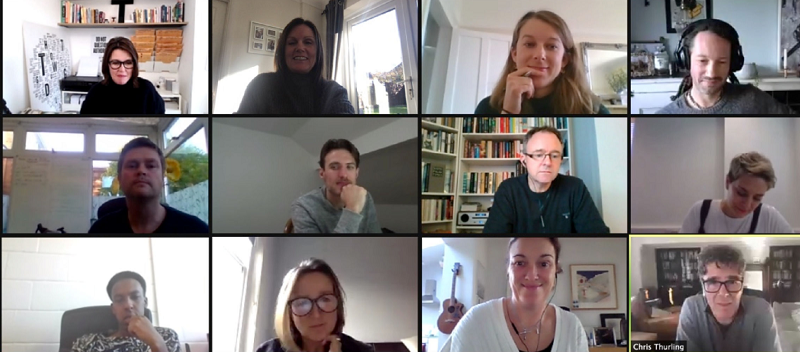
“We also did a number of virtual events throughout lockdown. We had never done virtual events before so having to suddenly put on online events was a steep learning curve for us. But actually, it worked really well and they were very popular.
“We did lots of COVID-19 crisis management workshops including how to deal with clients who were reneging on their contracts, the government financial support that was available and tips on how to manage staff remotely and deal with the furlough process. We also did a preparing for recovery seminar, which was so popular that we ended up running it three times.
“People had varied challenges but we were essentially all in the same boat and navigating the same storm so we were keen to help members.”
“There are lots of different drivers for why people decide to join Bristol Creative Industries. For many people, it’s the jobs advertising on our jobs board. As a member, you get unlimited free job advertising on what is the go-to board for creative industry roles in the South West.
“There are also company branding and profiling raising opportunities with the ability to create a profile on the website and appear in the Bristol Creative Industries member directory. It is used by lots of brands looking for the services that our members offer.
“As a member, you can self-publish content on the website as often as you like. That content sits on your own profile and we promote the best posts to the homepage and main news feed and share some on our social media channels and monthly newsletter. If you’re doing some work that you’re particularly proud of, you have great client case studies or you have some thought leadership or business advice, it can all go on the website. Share quality content and we’re much more likely to promote it!
“Our business members have free access to the Engine Shed co-working space in Bristol which is a really valuable benefit. It provides a space away from the regular office or home. As a BCI member, you can use the business lounge and sign in up to two guests at a time. It’s a great space and a real hive of activity. You’re guaranteed to meet like-minded people there.
“We have a programme of events throughout the year and members receive a discount on tickets or free attendance at member exclusive events. It includes networking, training workshops, inspirational keynotes and peer to peer roundtables. Going forward, we’ll have a blended approach to events; some of them will be face to face and some will be online.
“Finally, members can access lots of other perks such as hotel, restaurant, meeting room and away day discounts.”
“Get involved! Like with anything in life, the more you put in, the more you get out. If you pay your membership fee and don’t populate your profile, you might not get the attention you’re looking for. But if you do populate your profile, you’re much more likely to make connections and generate leads. Make your profile stand out and show how you are an appealing organisation or individual to work with.
“Come to events and you will absolutely meet people there who could potentially end up working for you, give you a lead or share best practice. Our Members’ Lunch events have always been one of my favourite events as you see those light bulb moments when someone is talking about what they do and for someone else the cogs start turning and they think ‘this person can help me’.
“Join, be active, engage on social media, keep the conversation going, make connections and you will absolutely see a return on investment for your membership fee.”
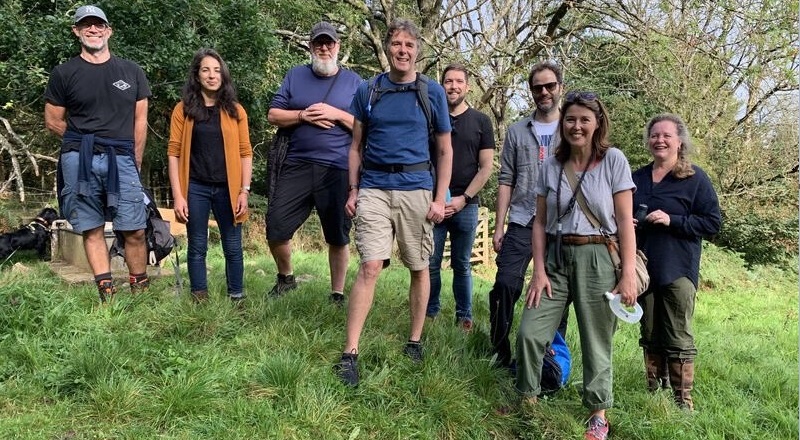
“Last Friday we had our inaugural BCI Walk and Talk, which is a member-exclusive outdoor networking event and a three hour walk in the beautiful Mendips countryside. It went really well and we plan to hold it regularly.
“We’ll continue to run our Members’ Lunch events monthly. They will stay on Zoom for the time being but we hope in the not too distant future we’ll get back to doing them face to face. The next Members’ Lunch is on 14 October.
“On 22 September, we have the first in a series of five diversity and inclusion (D&I) workshops. It’s a subject everyone is talking about but lots of people aren’t sure where to start. The workshops, delivered by Morag Ofili and Mette Davis, look at the business case for D&I and how to embed it into your business’ vision, mission and values. You’ll end the series by writing an actual plan that you can implement straight away.
“We’ve got a keynote on 30 September with Andy Nairn, who has been voted by Campaign as the UK’s number one brand strategist for the last three years. We’re really excited to have him talking to us about his new book, Go Luck Yourself, which discusses the role that luck plays in building brands.
“Finally, we’re putting the finishing touches to October’s keynote with Anne Thistleton, an experienced TED talker who talks about the role the mind and psychology play in marketing decisions. Keep an eye on the events section for details.
“We’re always keen to hear from members so if you have ideas for event subjects we should cover or speakers we should invite, get in touch and we’ll do our best to make it happen!”
Not a member? Join today! Fees start at just £4.50 a month or £45 a year.
Atomic Smash is pleased to announce the sponsorship of a desk space at Spike Island Workspace – the same co-working space where Piers Tincknell and David Darke, co-founders of Atomic Smash, first set up shop as WordPress and WooCommerce specialists over a decade ago.
Atomic Smash will cover the full desk space costs for 12 months so that the recipients can concentrate on developing their business, with the option – but no obligation – to continue as users in Spike Island Workspace after the sponsorship ends.
Spike Island Workspace is the perfect location for emerging or micro-businesses who are ready to develop and establish themselves further. Working from the space expands your connections and opportunities for growth, as you join a dynamic and diverse community of artists and creative businesses.
This sponsorship is aimed at:
The sponsorship is open to all creatives who would benefit from the opportunity and we welcome and encourage applications from people of all backgrounds.
Through your application, you will be able to tell us how this opportunity could make a significant difference to your future. Please also describe any access requirements you may have within your application.
Recently refurbished, Spike Island Workspace is located close to Bristol harbourside and in a busy building offering art exhibitions, artists’ studios, offices, production facilities and a café. Find out more about the space.
Monday 18th October 2021: Application closing date
Monday 25th and Tuesday 26th October 2021: Interview dates
Friday 29th October 2021: Spike Island Workspace visit
Monday 8th November 2021: Sponsorship start date
Friday 4th November 2022: Sponsorship end date
Would you benefit from this opportunity? Apply here!
Prolonged work stress and burnout are on the rise in employees according to a study conducted last year by Indeed. The findings showed that over half of those that took the study (52%) had experienced burnout in 2021 and that burnout is affecting employees of all ages and types of workers in 2022.
Encouraging and supporting employee wellbeing is becoming more of a concern for management and those in positions of leadership. Having happy and healthy employees is good for productivity, talent retention, and for the long term success of a business- but it’s also a concern on a very human level. For those managing and caring for a team of people, it’s hard to watch anyone struggle.
But how do you ensure that you are making the right steps for employee wellbeing? There are many solutions, but it all depends on the nature of your organisation and the people working within it. Companies such as Bumble and Nike have made headlines by giving their staff a week off to re-energise and others such as Google have wellness programmes that allow staff to spend more time with their families, choose how they best recharge, and allow them to pursue fulfilment outside of the office.
You don’t have to be a massive, global company to implement staff wellness practices. In fact, many small businesses and start-ups that rely on the efforts of a small, dedicated team have found the benefits of having a rewards package that looks after employee mental health.
At Yuup, we offer businesses the opportunity to purchase experience vouchers as rewards for their employees or to book group wellness sessions to refresh and rejuvenate their team. With a diverse range of lifestyle and wellness hosts and experiences on Yuup, we have something to suit and support any team.

One of the biggest issues plaguing the office is the lack of a decent night’s sleep. Irregular sleeping patterns, bad sleep habits, and disrupted sleep can cause fatigue, burnout, stress, and illness.
Working together with our host Giles, you’ll embark on a journey to demystify sleep and discover solutions to this nightly battle. As a coach, mentor, and author of ‘Positive Sleep – A Holistic Approach to Resolve Sleep Issues and Transform Your Life’, Giles has overcome his own obstacles with sleep and insomnia and is prepared to guide you through your own recovery.
After the session you will receive a copy of his book to take home and continue your journey.

We have a number of experiences to enjoy with Breathe Meditation, both for individuals and groups. This experience, in particular, is an excellent idea for team-building with a difference. Instead of after-work drinks or a challenge to get the cogs going, it might make a refreshing change to go for something that boosts everyone’s mood and gives you all time to connect on a deeper level.
Encourage harmony and peace among coworkers with a work lunch like no other.

Clare is an artist currently studying to become an art therapist. With a wealth of knowledge in emotional healing and de-stressing, Clare will guide you and your team through unwinding through both creativity and nature.
Set against the peaceful backdrop of Bridge Farm, their workshops centre around wellbeing and communication and their experience is a great way of creating a safe and open space for colleagues to open up about any internal difficulties they might be experiencing.

We’ve all lost our confidence at one time or another. Self-doubt, low-self esteem, and impostor syndrome can all creep in- especially if we aren’t feeling our best shiny selves. It’s hard to admit if you are lacking or have lost confidence in yourself, and it can seriously affect your performance at work.
Confidence is not all about being good at public speaking or being the loudest voice in the room, it’s about trusting in yourself and your abilities. If you have noticed an employee or colleague that seems to be wavering in their self-belief, offering support in this area could completely change their life and stop them from heading towards burnout or mental distress. Similarly, you might feel that you need to develop your inner cheerleader and would benefit from this one-on-one masterclass in confidence.
Creativity and Community: a Love Story
Calling the laptop cafe junkie, the kitchen table connoisseur and the battle-weary spare room crew. There’s a new way. A way with the flexibility, community and creativity you need at its centre. And the coffee is (probably) way better.
Shared office spaces have been popping up since San Fran paved the way and a generation of freelancers and startups are flourishing. Offices split across cities and a new approach to flexible working from modern start-ups mean that co-working is here to stay.
The benefits of joining a co-working space are as long as your to-do list;
Increased productivity
Spaces designed for your working day and with focus and efficiency in mind. A relaxing, comfortable space to break for a coffee is as important as a heads-down quiet space for deep thinking.
Peers
The inspiration of like-minded souls around you and a friend always on hand to give feedback.
Connections
Co-working spaces can’t promise lifelong friendships, but they do have chats over coffee and someone to share lunchtime with.
A work-life balance to be proud of
You get to go home! A different place to where you work! Such a novelty!
Networking
A whole load of independent, creative businesses looking to work with independent, creative businesses (just like you).
Cost Efficiency
Pay only for the space you need, with the flexibility you need as your business grows into a huge, massive, gigantic billionaire corporation.
Bristol’s favourite co-working space Gather Round know all about the benefits of co-working, and they know exactly what makes the perfect space. The team there couldn’t find what they were looking for so they decided to create their own; a space designed by creatives, for creatives.
After meeting Fiasco Design and Pixelfish at Gather Round and seeing the incredible work they were capable of, working with them on our launch was a natural choice. They helped the vision for Twelve, our sustainability strategy and communications consultancy, become a reality. – Jess Ferrow, Founder of Twelve
Gather Round; Community, Creativity, Collaboration
Bristol is a city long-known for its celebration of creativity. Tastemaking musicians, culture aplenty and a love of art found from the pavements of Clifton to the patched grass of Turbo Island (if you know, you know).
The decision to build a creative business here was a simple one for founders Ben and Jason. After a successful start, their design studio Fiasco Design grew quickly and they found themselves moving studios as they expanded. After struggling to find a workspace that wasn’t a corporate office with extortionate rates and a long term contract, the idea of Gather Round was born.
The Southville residence at the old Cigar Factory proudly hosts creative thinkers and doers that call it home. Morning coffee chats, lunchtime collabs and a deep understanding and respect of one another is something that has happened naturally. They’ve created a space that allows that all to thrive. They’re soon to be heading north of the river to Brunswick Square to hold court for another incredible bunch of creatives.
Why Gather Round?
I met Amelie of Duo Hue when she joined Gather Round. She was looking for some imagery to further her brand, it felt like the perfect collaboration. Sharing a space made the planning and creative process easy and the work we produced featured in national press. – Nic Kane, Photographer/Director
Body
The Gather Round team have a few simple rules; no indoor caravans, tardis-style meeting rooms or beanbags; just beautiful spaces and good design. They’ve got all shapes and sizes covered with roomy co-working areas, permanent desk spaces for freelancers and separate offices for micro-businesses. There are spaces for collaboration, whether you’re musing over an idea, chatting out a project or need a full-blown meeting room to launch your world-takeover plan.
Mind
With Flexi desks, Resi memberships and dedicated studios for small businesses, there are flexible memberships for business needs.
For solo entrepreneurs, micro-businesses or small startups the support of peers is invaluable. Within the community at Gather Round, you’ll find support from like-minded people. Our campfire talks, morning workouts and members breakfasts, fuel the mind and body of all that attend. A day that starts with a croissant amongst friends and ends with a creative discussion on businesses in the climate emergency – is a day well spent.
Soul
Here at Gather Round, they take design seriously. Their buildings are chosen because of their character and soul. You won’t find grey walls, no-spill carpets and budget-friendly lighting. Beauty breeds beauty, and Gather Round have created a space that feels like home. If your home has deep velvet sofas, bespoke shelving and enough plants to start a greenery obsession.
The latest offering in the beautiful Brunswick Square is almost at the ribbon-cutting stage. An almost perfect location with Bristol greats such as Circomedia, Farro Bakery and Yoga on The Square, all just a stone’s throw away. Temple Meads station can be reached in 15 minutes and you can (almost, but not quite) hear the thrum of the city centre close by. They’ve created a slice of creativity in a building steeped in it and it awaits Bristol’s brightest and best.
We’re delighted to have been featured by Best Startup UK as one of their top Bristol-based app companies.
It’s been a busy year for the Gravitywell team, working on a raft of exciting projects with startups in the UK and abroad, as well as the successful launch of Mezze, our very own SaaS platform for the food manufacturing industry.
Gravitywell was selected due to exceptional performance in one of the following categories:
Innovation
– Innovative ideas
– Innovative route to market
– Innovative product
Growth
– Exceptional growth
– Exceptional growth strategy
Management
Societal impact
Annually, Best Startup UK recognises companies that are pushing the limits of innovation to solve critical problems and challenges. Best Startup UK is managed by Fupping LTD, a London-based media company, whose aim is to accelerate the growth of the UK’s foremost innovators by promoting them to a global audience.
As students prepare to go back, boomsatsuma is gearing up to welcome the next cohort into an expanded programme of college diploma Level 3 and Higher Education BA (HONS) degree courses this September.
An education with boomsatsuma is distinctly different from what is offered by mainstream schools and colleges. Our courses are located with creative industry partners and give our students exposure to real workplace experiences and we are delighted to confirm a new collaboration with a local Bristol Creative company, Pytch, providing another great opportunity for our students.
boomsatsuma has extended its connections into Bristol’s creative business sector, entering a new collaboration with PYTCH, to give students experience working in a professional live and virtual events environment.
Bristol-based PYTCH has been providing creative events services and technology to corporate and music clients for two decades. After connecting with boomsatsuma earlier this summer, an agreement to support students with workplace experience has been made. The company opened its state-of-the-art studios in July ’21 to give boomsatsuma students insights into the potential careers they could follow, as PYTCH founder Johnny Palmer explains:
“We have always believed in nurturing young talent. When we realised that boomsatsuma’s education model incorporates work-based experience and draws students from the diverse communities across Bristol we were keen to extend the chance to work with us.
“The speed with which boomsatsuma reacted to our request and the quality of the students has really impressed the whole team and we are looking forward to welcoming many more.”
Martha Iles and Caitlyn Argles, Level 3 Extended Diploma Creative and Digital Media students based at Engine Shed, were the first boomsatsuma students given a paid four-week placement, to round off their first year.
Caitlyn Argles enthuses:
“This has been a great opportunity. We’ve been made to feel part of the team and worked alongside them on ‘live projects’, which was really exciting. We’ve both learned so much beyond the things we learn in college about what goes on behind the scenes, from the warehouse, to lighting to PAT testing. It’s given us a realistic view about a real working environment.”
Martha adds:
“A big thing I’ve learned is to seize the opportunities – say yes, be willing to do what is needed and more doors will open.”
We took a camera to Pytch to capture the thoughts of Pytch and the students, which can be seen in video.
Two more boomsatsuma students have already joined PYTCH in August for their placement.
Mark Curtis, boomsatsuma director, comments;
“Giving students high-end experiences with access to creative industry workplaces sits at the core of our ethos. PYTCH is a really dynamic events environment and they have been incredibly accommodating and inclusive in the way they have worked with Martha and Caitlyn. I am sure this has given them both great insight and boosted their confidence to take on a creative career, whether that be in events, TV, or Film. It will be interesting to follow their progress.”
Ends
Pictured (L to R): Martha Iles and Caitlyn Argles
The Kiltered Guide to Effective D&I is a practical series of five bite-sized virtual sessions to set you on the right track with your diversity & inclusion efforts. We’ll help you make sense of what Diversity & Inclusion means for your business, why it matters, and how to turn the conversation into action. We’ll share insights, tools and techniques to help you overcome any D&I fears and obstacles, before starting to develop a plan. Our goal is to help you create a more inclusive workplace that will lead to increased diversity, improved team motivation and better business performance.
Anyone looking to embed D&I into their business in a way that’s about more than talking and quotas. You might already be doing something D&I related, you might not. You might have taken the first step but are not sure what to focus on next. Or you might be finding it difficult to get buy-in or investment for your efforts. We’re here to help you take that next step, whatever it might be, and turn conversations into meaningful action for your business.
This series of 5 workshops will run fortnightly on a Wednesday morning starting on Wednesday 22nd September.
** NB the first session had already taken place but if you’d like to book on the remaining 4 sessions, we will send you a recording of the first session along with slides so that you can catch up.
Part 1 – 22nd September, 9-10.30am
Setting the Scene – The business case for Diversity & Inclusion
Part 2 – 6th October, 9.30-10.30am
Making Space for Inclusion – Where do I start?
Part 3 – 20th October, 9.30-10.30am
Embedding Inclusion into your Culture through your Vision, Mission, Values and Strategy
Part 4 – 3rd November, 9.30-10.30am
The Perception Gap – Using data and analytics to increase your chances of success
Part 5 – 17th November, 9.30-10.30am
Writing your plan and putting it into action
Barrister Morag Ofili started Kiltered in 2020, a forward-thinking diversity and inclusion consultancy with a mission to take the fear out of building more inclusive workspaces. Using data analytics and organisational psychology, Kiltered helps businesses develop cohesive and achievable strategies for change and empowers businesses to put plans into action in a meaningful way. Where needed, Morag can tap into her network of lawyers, HR specialists and trainers to offer additional support. Kiltered is a resource for companies and leaders who are ready to do things differently. Morag is also a director at Broadminded, a community for curious and ambitious women, running events to inspire, educate & support women across all industries.
With a career spanning 20+ years in the creative and tech industry, Mette Davis has co-founded start-ups, and held leadership positions for global networks, boutique creative agencies and a digital transformation consultancy. Her former clients include British Airways, Mars and McLaren Automotive to name a few. Mette set up her own business in 2016, partnering with businesses and individuals to help them navigate through change and unleash their full potential. She works closely with companies to develop robust business strategies that stand the test of time, helping them activate their plans across multiple areas with a suite of practical tools and techniques, including workshop design and facilitation. Mette has also previously delivered several hugely popular training workshops for Bristol Creative Industries.
Diversity & Inclusion is a topic that’s rarely out of the news. But it’s also a topic that makes us feel uncomfortable, unsure of how to approach it and where to start. And once we have started, what we should be focusing on and prioritising in our strategic plans.
This first virtual session will help to set you on the right track with your diversity & inclusion efforts, make sense of what it means for businesses and the creative industries specifically, why it matters, and where to start. We’ll share a balanced perspective on some of the latest research and benefits of writing a business case, and explore different approaches to D&I, including metrics you can use to drive your efforts, all with the goal of creating a more inclusive workplace that will lead to increased diversity, improved team motivation and better business performance.
Whilst many understand the importance of inclusive workspaces and have heard the stats that diversity and inclusion is good for business, a large number of businesses have no idea how to get from where they are now to where they ought to be.
There are many reasons not to change – you lack the expertise, it takes up too much time, you don’t have the money or perhaps you simply do not want to compromise the positive elements of the existing culture? This session will tackle all of these common concerns and equip you with the tools to embark on your inclusion journey with a positive mindset.
Over the course of the session, we will explore why change is hard and what we can do to embrace it to create a better workplace environment for everyone.
The 3rd session in the Kiltered Guide to Effective D&I focuses on embedding inclusion into your culture through your vision, mission, values and ultimately your strategy.
We’ll talk about inclusive leadership, what it means and why it’s important for companies who want to achieve genuine inclusion, starting with the definition of your vision, mission and values. And once created, how it weaves into every element of your strategy and creates value for your business.
We’ll talk about different approaches companies take, with real life examples who have achieved varying levels of success through their efforts, including a deeper dive into the London 2012 Olympics and what we can learn from their approach to D&I.
We’ll also provide some practical guidance to help you on your way.
So you have examined your culture and examined your values but do you actually know how your employees feel about working in your organisation?
Are you surprised that anyone would ever want to leave?
The perception gap is the distance between how you want to come across and how you are ultimately perceived.
In this session, we will look at how data helps businesses close the gap and develop solutions that are responsive to the needs of their people.
As part of the Kiltered Guide to Effective D&I series, this final virtual session focuses on putting your plan into action. We’ll provide some practical steps you can take depending on where you are on your journey, as well as a couple of useful tools that will help you on your way to developing an inclusive culture that creates value for the business and motivates your team.
We’ll also help you understand what to expect, things to look out for, and how to approach some of the trickier situations that might arise. We’ll also share examples to bring it all to life.
The Kiltered Guide to D&I is sold as a block of 5 workshops as the learning builds throughout the series. Places are £225+VAT for BCI members and £295+VAT for non-members.
Book your place(s) here.
Heather Wright is an executive producer and creative industries consultant with 30 years of experience. She spent 22 of those years at iconic animation studio and Bristol Creative Industries member Aardman Animations.
In 2020 Heather left the company that has given us legendary characters like Wallace and Gromit and Shaun the Sheep to launch Springboard Creative. She also joined the Bristol Creative Industries board.
Dan Martin speaks to Heather about her career, the storytelling and employee culture lessons other businesses can learn from Aardman, what she is up to now and why is supporting the work of BCI.
“The 1980s and 90s was an extraordinary time to be working at advertising agencies. They made you feel like anything was possible. I worked at Saatchi and Saatchi which had the slogan “nothing is impossible”. Although that was sometimes frustrating to try and deliver to, it did mean you were always looking for a creative solution to make something happen. It wasn’t just acceptable to say “this can’t be done”. I also worked for Chiat Day and their slogan was “good enough is not enough”.
“It made me realise that if you have the confidence to know that there could be a way around a problem, you just need to find the right questions, understand the motivation or think about the other person’s point of view and what makes them tick. I learned a lot about creativity, both artistically and in business, during that time.”
“They advertised for someone to run their commercials team. I thought “animation, that sounds good because I know nothing about it so if they want someone to stay after six o’clock and do some animation problem solving, they won’t ask me. But I do know a lot about what Aardman should be doing in the advertising world!
“I applied for the job and got it. I grew as the company grew. My whole experience was growing from that starting point to becoming an executive producer and working on a breadth of different activities. I was instrumental in setting up their computer animation team, I ran their immersive team for AR and VR games and I worked on a big Wallace and Gromit concert at the Royal Albert Hall.
“From not knowing about animation, I soon learned lots and I very quickly became an absolute devotee of the art form. I was lucky to be surrounded by other people who also absolutely loved it and because it is a world leader in animation, the calibre of people who came to work there was always high. You were constantly surrounded by great creative thinkers, problem solvers and technicians. Everybody grew together; that idea of a rising tide lifts all boats.
“Aardman is very good at making sure everyone feels involved in all the parts of the company. If there’s a new show being worked on, it is shared with the whole company. There were issues around secrecy but in the end, we decided we just needed to trust people because it is in all employees’ best interests for the ideas to be kept confidential.
“During a big project, we were aware that employees’ families weren’t seeing them for months on end, so getting friends and relatives involved was crucial to maintaining the wellbeing of all the staff in the studio. When a big movie was finished, there would be a friends and family tour day, and after the production was released, we would take over all the screens at Vue Cribbs Causeway.
“The business also encourages everyone to come up with creative ideas, not just the creative departments. I know of a couple of ideas thought up by somebody in the finance team.”
“Employee ownership was a vehicle that allowed Peter Lord and David Sproxton [the founders of Aaardman] to step out of the day-to-day running of the business and to ensure its independence. It could very easily have been bought by a big channel or network and have just become part of somebody’s balance sheet. Independence has always been a strong tenet of what the company is about; the ability to make their own shows, make their own decisions and to run it as they want to. When Pete and Dave decided to take a step back, employee ownership worked well because the company had always been about everybody contributing.
“It’s not a super easy ride becoming an employee owned trust, but I encourage any company that’s thinking about it to consider it very seriously. Everyone becomes a partner and there is a change in the culture because it makes people feel like they really do have ownership and they really do have a say. We set up a staff council for employees to be involved with strategic decisions and to have input on how things were done. It was much more than somewhere for people to go if they had a complaint.
“Companies that have that kind of approach with values that everybody should share in the success are proven to be more successful businesses.”
“Nobody wants a yes man on board and everybody wants an intelligent conversation. All you can do is be your authentic self, know that your product is good, believe that your product is good and be able to explain why it is good.
“Work with the client as a team and be open to their ideas as much as you expect them to be open to yours. Build a very strong collaborative working relationship with a shared vision. I always made sure that the vision of the people inside Aardman and the vision of the client were going in the same direction. The path to get there may be rocky and can take different turns at different times from either side, but that’s ok as long as everyone is heading in the same direction and knows where they want to get to.
“Create cohesion, build true working relationships and be fun to work with.
“The other tip I would advise is if a big brand wants to work with you but you don’t think you can properly answer the brief because of time or money, say so and don’t take it on. If you do, you’ll end up doing a bad or half hearted job and not delivering something you’re proud of. The client will be disappointed in you and never come back to work with you.”
“They believe in quality of craft, excellence and humour. They believe in themselves and the stories are told from a very British point of view because that’s who they are. They don’t pretend to be American; it’s always about authentic storytelling,
“They also focus strongly on independence and collaboration. Those are the kind of things that attract people. It’s always about the quality of the craft, the quality of the thinking and the quality of the ideas.”
“It took me about two years to make the decision. The company was going through a change and I was starting to have ideas. I thought to myself “have I got anything else in me other than working for Aardman for the rest of my life?” I had an idea and I just needed to find out if it would work.
“I’m still friends with them all at Aardman and I’m proud to be associated with the company.”
“The main thing I am working on is an animation app called Magic Fox. It enables children to make animated personalised, real time movies of their own. It’s about developing creativity in five to seven-year-olds. I’m working with two partners and we’re currently seeking seed funding.
“I also still get involved in exec producing and I’m working on a couple of really big projects that I can’t tell you about right now! The other string to my bow is working with Innovate UK Edge, who support small creative businesses to get started with their strategy.
“I love helping people to fulfil their potential and that’s what all of my endeavours are about.”
“The government has realised that the creative industries is a huge earner for UK PLC. The trouble is they haven’t really known how to invest in it because unlike most other industries where you end up with huge companies, most of the creative industries are small or micro businesses. The idea of how you actually support innovation in the creative industries is something that they are continuing to grapple with.
“Innovate UK Edge recently ran the new Creative Industries Fund which provided a small amount of start-up money. It’s very unusual to have such a broad funding competition that appeals to lots of people.
“That particular scheme is now closed but knowing Innovate UK Edge and the way they work, if lots of people applied and they got some good projects out of it, they will run it again. They will also run a scale up programme of some sort because they want to progress people from start-ups to scaling up to a growth phase and being investable. That proves that the innovation works.
“If you can kind of get into the system, they will support you through all phases of growth. Their ears are open right now and want to know how best they can do it. They are absolutely looking to have conversations with small and micro businesses in Bristol and the south west about what innovation means to them. It’s a unique time to get involved.”
Find out more about Innovate UK Edge here. You can also follow Innovate UK Edge South West on Twitter.
“The pandemic has been a disaster for performing arts venues in particular but I think the government has realised that there is huge value in culture due to the impact of having lots of places closed.
“People gain emotional intelligence and learn about how to be in the world through storytelling. The creative industries bring meaning to the world, whereas science and technology bring facts. The question is how do you quantify what that meaning and understanding is? Is it through storytelling, different types of apps, watching something on your phone etc? They are sometimes intangible ideas that are hard to grasp hold of, but that’s what people in the creative industries do; they make the intangible tangible.”
“The creative industries rely on freelancers and small businesses. Anything we can do to encourage people to start their own business will lead to success for the whole of the creative industries and the UK. I’m absolutely in favour of those kinds of measures.”
Read more about the report here.
“I’ve always been really interested in the Bristol creative scene. At Aardman although we believed in supporting Bristol, most of our customers weren’t Bristol based but I was always interested in what was going on it the city and went to events like First Friday at the Watershed.
“I could see cities like Manchester and Leeds getting ahead but Bristol has a huge amount to offer. I’m really keen to support Bristol to become a stronger creative industries hub than it already is. It needs to punch above its weight and I want to be part of making that happen. Bristol Creative Industries is a vehicle to galvanise us as a city and make sure that we have a strong ecosystem that supports each other to reach out beyond our city.”
“It absolutely needs to happen. You get a better quality of idea when you have lots of different windows on the world in front of you. Everybody comes with a different window and a different viewpoint. The more ideas you have in the room from different places the better. That’s the problem with the Westminster bubble; they talk to people like themselves all the time. The only way to break out of the bubble is to go further and have a greater diversity of ideas. That comes from a greater diversity of people including ethnic diversity as well as age, people who are less able bodied etc. It’s all about having people with something different to bring which is not the usual employing people in your image which is often the worst thing you can do.
“It will take time. Nobody wants to get a job just because of their ethnicity or age; they want to get a job because they are the best person to do it. It requires grassroots support from the industry. The creative industries wants to do it, but they sometimes struggle to know how to do it. That’s another area where Bristol Creative Industries can help by endorsing programmes that are working and advising on how you go about creating a more diverse workforce.
“We’ve got such a diversity of people in Bristol and the wider region. We have the opportunity to test some of the ideas and prove that they work.”
“Start with a character. Think about how they would do a particular thing, what type of issues that kind of person would have, who are their friends and where do they live. You will come up with a much stronger story that way than saying, for example, “wouldn’t it be great if our mobile phones could all talk to each other on the table.” That’s an idea but it isn’t that interesting. But what about a tiny little character that has a big nose who’s really good at sniffing out unusual smells or situations. Maybe he’s frightened so he hides a lot. Or maybe he just gets really huge so how does he deal with what happens to him. Starting from the point of view of a character is much better than starting from a plot or a set of circumstances.
“Tell stories that you know, understand and are authentic to you. There are universal truths such as love, hate, anger and jealousy that everybody in the world, no matter where they live, understand. Apply those to your own set of circumstances and those values will still come across. It will make the story interesting for everyone because they will recognise the love, hate, jealousy and anger, but they will see it set in the context that makes sense for the storyteller. If you start to tell stories from a place that you don’t really understand, that’s always going to be much harder.”
Not yet part of the Bristol Creative Industries member community? Join today.
A survey of over 300 leaders of tech SMEs across the Southwest has revealed the extent of the sectors resilience throughout the pandemic and its rude health as we emerge from the clutches of the pandemic.
The research, commissioned by Bristol-based Antidote Communications, in conjunction with TechSpark, saw 49% of surveyed tech business leaders including founders and MDs, report an increase in sales compared to pre-pandemic levels. 95% of tech leaders said their business was at least as healthy as it was pre-pandemic – while more than half (53%) said their company was doing better than before the COVID-19 crisis.
While many sectors, particularly hospitality and high street retail, have struggled over the past 15 months, the tech sector has experienced growth. As businesses have had to move online, the sector has undoubtedly benefited. 63% of leaders’ businesses are 100% digital, and nearly one third have SaaS products or services.
Fintech and deep tech are the most prevalent sectors for tech firms, accounting for 17% and 14% respectively of the representative sample. However, the diversity of sectors, from gaming to AI and martech to Robotics, is testament to the strength in depth of the region’s tech cluster.
The leaders of these tech SMEs are driving the economic recovery in the region. The potential for growth for these businesses is clear and 96% are optimistic about the future and have high levels of confidence for the second half of 2021.
Patrick Fraser, Antidote Communications MD, commented:
“These findings highlight a tremendous degree of confidence throughout the South West’s digital economy and indicate that the next twelve months may be the most fruitful yet for the region’s tech sector. The pandemic certainly presented challenges, but the tech cluster is now looking more robust than ever. It’s an exciting time for the entire region as this growth looks set to translate into more jobs, prosperity and innovation across the Southwest.”
Ben Shorrock, Managing Director, TechSPARK UK, added:
“Tech has become central to everyone’s lives during the last 18 months. Although there have been many challenges it’s heartening to see that organisations in the community are flourishing and will be creating more jobs, growth and opportunities across the Southwest.”
The research was conducted by TechSpark. 307 participating tech leaders were spread between founders/owners (104), c-suites (109) and directors/MDs (94). The survey was conducted online and undertaken between 5th and 22nd July 2021.
You need to load content from reCAPTCHA to submit the form. Please note that doing so will share data with third-party providers.
More Information