UWE Bristol and Bristol Creative Industries (BCI) have formed a new partnership to support Bristol’s thriving creative businesses and provide enhanced careers opportunities to students entering the industry.
Bristol Creative Industries is one of the UK’s leading membership bodies for businesses and freelancers working in the creative sector. The not-for-profit organisation provides training and skills development, facilitates networking and business connections and supports sector growth, and currently has a membership of over 1,100. UWE Bristol will play a leading role in developing BCI’s student engagement and growing student membership.
With a rich creative and cultural sector in Bristol and the wider region, the partnership has been designed to offer insight and career opportunities to thousands studying courses rooted in the creative industries, including marketing, events, filmmaking, photography, media and communications.
Current and recent students can join BCI for free. Student members will have access to speaker events, placement and employment opportunities, and career advice from BCI members, which currently include Aardman, the Watershed and Bottle Yard Studios, giving students real-world experience and insight into working in the industry.
The partnership also aims to benefit BCI members, by developing a network of trained students who will make up the future workforce within the region and are ready to enter the industry.
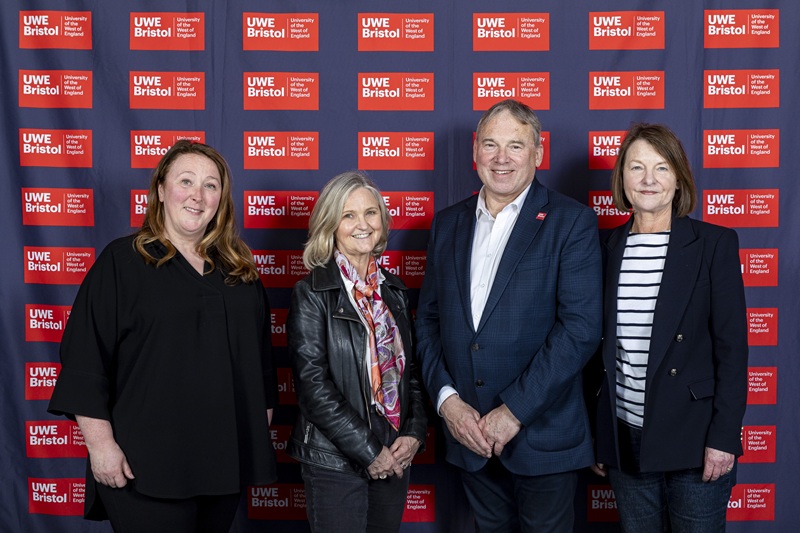
Lynn Barlow, UWE Bristol’s Assistant Vice-Chancellor for Creative and Cultural Industries Engagement, said:
“This is a really exciting opportunity for students and for Bristol’s creative industries more widely, as we support Bristol Creative Industries’ strong network of businesses and freelancers with fresh student talent. We’re really proud to be playing a leading role in such an important organisation.
“At UWE Bristol, our programmes are designed with industry to ensure our students are meeting the needs of their future employers and are work-ready. Our partnership with BCI bolsters this further, by offering students greater access to creative businesses of all sizes for invaluable industry insight and career opportunities.”
UWE Bristol and BCI officially signed a Memorandum of Understanding (MoU) at the University’s Bower Ashton campus, which will commit both organisations to developing and supporting BCI’s student membership offering.
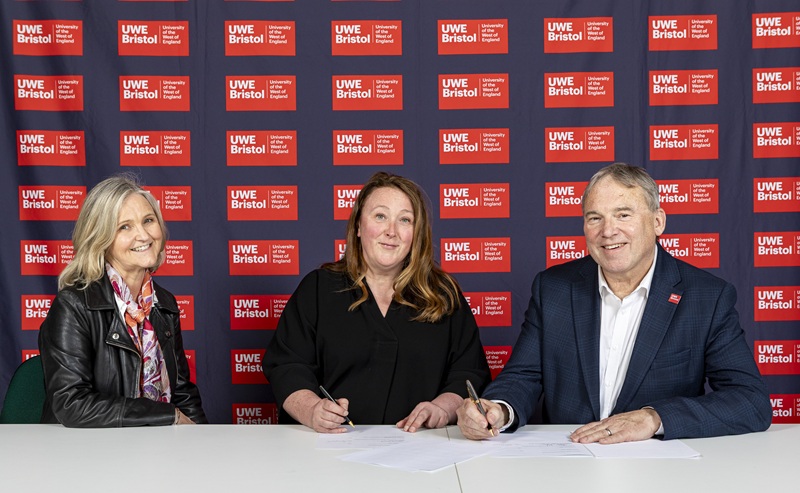
Lis Anderson, Bristol Creative Industries co-chair, said:
“Talent and skills development is a top priority for our members and this partnership will facilitate early access to emerging talent for our members, at scale.
“Building upon strong connections with education providers in the region, UWE Bristol’s breadth of programmes and BCI’s membership base of employers will work to bridge the gap between education and industry, enabling many students from a wide variety of backgrounds to unlock new opportunities and career pathways right here from the creative hub that is Bristol.”
The UK employee benefits landscape is shifting (as always), and business leaders and HR must be prepared. With new regulations including pay transparency laws in the EU, NI increases in the UK, and proposed pension reforms businesses need to stay ahead to ensure compliance while also managing costs and employee expectations.
At first sight, these changes might seem like yet another regulatory burden, but in reality, they offer an opportunity for Business’s here in the South-West to improve transparency, refine benefits strategies, and enhance the employer brand. The key is knowing how to navigate them effectively.
What’s changing?
Firstly, the EU Pay Transparency Directive
What’s that?
In a major move toward greater pay equity, the EU has introduced the Pay Transparency Directive, which will take full effect by June 2026. This regulation is designed to combat pay gaps by ensuring salary clarity and fairness across workplaces.
For Businesses, this means new obligations, including:
Salary transparency during recruitment: Employers must disclose salary ranges in job postings and are prohibited from inquiring about candidates’ salary histories.
Gender pay gap reporting: Organisations with at least 150 employees are required to report on gender pay gaps, with the threshold decreasing to 100 employees after four years.
Right to pay information: Employees can request information on average pay levels, broken down by gender, for categories of workers performing the same work or work of equal value.
While these rules may present administrative challenges, they also push businesses to be more transparent about their pay structures, which can boost trust, attract top talent, and improve retention. The companies that embrace this shift early—by conducting internal salary audits and ensuring pay structures are equitable—will find themselves in a stronger position than those scrambling to comply at the last minute.
Next up..NI increases
In the UK, employer National Insurance Contributions are set to increase from 13.8% to 15% tomorrow! This means a direct rise in payroll costs for businesses, potentially squeezing budgets further in an already challenging economic climate. To manage this impact, many businesses are turning to salary sacrifice schemes, where employees trade a portion of their salary for benefits like pension contributions or other tax-efficient perks. This approach can reduce the NIC burden for both employers and employees while ensuring that workers still receive valuable benefits.
As payroll costs rise, Businesses and HR will also need to re-evaluate benefits spending and look for ways to offer impactful benefits without unnecessary cost increases. Smart benefit strategies such as financial wellbeing programs can help businesses remain competitive without simply increasing salaries.
Thirdly, Pension reforms
Pension reform is also evolving, with a focus on expanding auto-enrolment and increasing minimum contributions. Proposed changes include
These reforms aim to boost retirement savings, but they also increase employer costs and administration.
Saying that, these changes haven’t been made official yet (so a bit of a heads up!) Employers should stay informed about potential future changes to auto-enrolment criteria to ensure compliance and optimal benefits administration (that’s how I can help BTW)
What’s that all mean for Business Leaders and HR?
These regulatory shifts may feel like another compliance headache, but they also create opportunities to refine HR strategies and position businesses as leaders in fair pay and employee wellbeing.
From a compliance perspective, failing to align with these new laws could lead to financial penalties, reputational damage, and even employee lawsuits. Payroll will need to stay on top of NI changes, while preparation for pay transparency reporting requirements and ensure pension enrolment processes are ready for possible reforms is needed.
On the cost side, companies will need to navigate higher payroll expenses from NIC increases and potential pension changes, meaning efficient benefits management will be more important than ever. Instead of simply increasing salaries, businesses can optimise a “total rewards strategy” to ensure every pound spent on employee benefits is meaningful and effective.
But beyond compliance and cost control, these changes also offer a competitive edge. Businesses that embrace transparency, invest in employee financial wellbeing, and optimise benefits to meet new expectations will stand out as top employers by attracting and retaining talent in an increasingly benefits-driven job market here in the South West.
So…How to stay ahead? Here’s some practical steps
Prepare for pay transparency now
Start by conducting an internal salary audit to identify and fix any pay disparities before public reporting requirements take effect. Train managers on fair pay practices, and ensure job ads include clear, competitive salary bands. Taking proactive steps now can prevent compliance issues later.
Offset NIC increases with intelligent benefits
With employer National Insurance contributions rising, rethink your benefits strategy. Salary sacrifice schemes can reduce payroll tax burdens, while flexible benefits platforms allow employees to choose perks that are cost-effective yet highly valued.
Stay ahead of pension changes
Even though pension reforms aren’t yet law, businesses should prepare by reviewing auto-enrolment processes and exploring ways to enhance pension contributions in a cost effective manner. Communicating clearly with employees about their pension options will also be essential in boosting engagement.
Automate and streamline benefits management
Manually handling pay transparency reporting, NIC adjustments, and pension enrolment is a time-consuming burden for HR teams. Investing in intelligent benefits technology to automate compliance, simplify payroll adjustments, and provide real-time insights to optimise benefits strategies.
Gold: Best Expression of a Brand on Social Media Channels
Bronze: Best Use of Copy Style or Tone of Voice
The Transform Awards celebrate excellence in brand strategy and execution across Europe. saintnicks’ work with Ascot Racecourse brought to life the brand’s creative platform, Elegance at Play – combining social-first storytelling, a distinct tone of voice, and thumb-stopping, jaw-dropping content that captured the attention of both loyal racegoers and new audiences alike.
Speaking on the win, Fraser Bradshaw, CEO at saintnicks, said:
“We set out to create a truly ownable brand voice and world-class social content that matched Ascot’s stature as an iconic British institution. To see that work recognised is a brilliant moment for the team and a testament to the power of brave, collaborative thinking.”
If you’re after a creative brand agency that will go the extra mile for your brand, drop saintnicks a line. You can find out more about their brand, campaigns, content and digital expertise here, or reach out to their Client Services Director, Francois d’Espagnac.
Mothers in the creative industries are an often overlooked force. While women are already underrepresented in creative roles, the challenges multiply when motherhood enters the equation. Despite this, countless creative mothers are making it work, balancing passion and profession whilst raising the next generation.
Today, we want to spotlight a few of our Gather Round working Mums. With their stories, we explore the realities of being working mothers in the creative industries—the triumphs, the struggles, and the unexpected ways motherhood shapes creative careers.

I was at Browns Design when pregnant with both my daughters, and one of two women that worked there at that time. Pregnancy was relatively new to the agency then, and the team were generally super supportive. In hindsight, agency life back then (2004-2010) was intense and a bit of a rollercoaster – I had no idea how incompatible small agency life and motherhood would be.
After having my second daughter in 2010, and realising 3 days wouldn’t work, I felt like I had to leave and try another way. I set up Writing + Thinking because I had no option. It felt like a massive leap of faith but it paid off. The ability to work to my own rhythm, to choose who I worked for and to steer the direction of my own career felt blissful. As stressful as the constant work hustle was/is, I’m grateful that I’ve been able to focus on and hone a skill that I get immense pleasure from.
The pay-off as a parent is hard to measure. The ability to go watch your child being a sheep in a nativity time and time again, to be able to take and collect from school, and to have the capacity to take days off for swimming or just feeding the ducks at the park. This is gold.
What I realise looking back, is that the contrasting worlds of freelancing and parenting taught me vital skills. The juggle of very different worlds, exceptional time management, how to style it out when covered in crusty stains, etc. I think the intense contrast between the two worlds help keep your feet on the ground in the sometimes, high drama of creative practice.
The constraints of my situation made me focused and resilient. I treated writing like a muscle I needed to flex to keep getting better at it. I became more fearless, took risks and proved myself wrong in the face of self doubt. I kept learning, wanting to be a role model to my daughters, and to show them that you can build something small and sustainable whilst being a present and active mother.
My partner is also self-employed as a graphic designer which felt crazy and wobbly as we embarked on raising our second child. But I think our combined flexibility enabled us to cut our cloth accordingly when dealing with sickly children, nativity plays, meetings, work trips, etc.
I think as caregivers, we have been trained to react to the unexpected (vomit on lap pre meeting), deal with sleep deprivation (mainlining coffee) and find humour in the darkest situations (too many to mention).
Creatively, I think this crazy hustle juggle makes us more loose and less perfectionist. This is a total gift.
Mother & Founder of Writing & Thinking

My return to work in 2016 after my first child was messy to say the least. Aside from the usual battles that new parents go through (keeping a tiny person alive is a full time job in itself!), my boss at the time turned into a bully. She had no children herself and zero empathy for what I was trying to get to grips with. Micro managing me to the max and layering on more and more work when I had already flagged several times that I was struggling. After only 3 months back at work, I ended up handing in my notice in floods of tears (completely unplanned), when she pushed me so hard she sent me over the edge.
My husband was so supportive when I got home, he told me we could get through it, said I had done the right thing (as he saw the stress she had caused me) and then gently asked me ‘So what do you think you might do now’ at which point I immediately responded ‘I’m going to be a freelancer’. Then followed a fruitful 7 year career of self employment, I managed to balance parenting and work in my own way. When it came to having my second child (4 years into freelancing), I went back to work after only 3 months (sadly statutory Maternity pay that freelancers get doesn’t go far at all). I only worked 2 days a week initially, I chose my own hours and it really worked for me. Thankfully the Bristol based media company I was working for at the time totally understood my needs and respected my family commitments.
In a strange way, I have no regrets, my old boss forcing me into the freelance world actually did me a big favour, my career progressed rapidly and went in a whole new direction. At the same time, there still lingers a bit of resentment that I was put under so much unnecessary stress – it’s quite sad that some people are so lacking in awareness of what parenting really entails.
Working for Gather Round has been a game changer for me. Aside from the fact that I love what I do, Ben and Jason have full trust in me to deliver my work so they leave me to it. The hours are genuinely as flexible as when I was freelancing, but with the security of a full time job – I feel so lucky to be in this position as I know so many others are struggling away in silence.
Mother & Director of Marketing at Gather Round

After graduating in 2000, I joined a digital agency where my job title was “Multimedia Designer”. (Remember interactive CD ROMS? – I designed those!) The early noughties were the heyday of the dot.com bubble and we were fully embracing the “work hard, play hard” kind of culture. It was a really fun and exciting time to be involved in the creative industry. Witnessing and being part of how the internet took off was incredible, and my job quickly evolved from “multi-media designer” to “web designer”. We were feeling invincible, landing big clients, pulling all-nighters to meet tight deadlines, and very much burning the candle at both ends – Something you are able to do in your 20s when you only have yourself to look after. None of my co-workers or company directors were parents or remotely even close to that…
Looking back on a culture that would not have lent itself in any way, shape or form to parenthood, it’s not really surprising that it also did not prove to be sustainable. The dot.com bubble swiftly burst, and it wasn’t long until my boss delivered the news we were all going to be made redundant (which he did in the style of Alan Partridge when he didn’t get his 2nd series…) This neatly led me into freelance web design (most people from the agency still worked together on a collaborative freelance basis, which worked much better without the fancy office, large bar tabs and other large agency overheads.)
Fast forward a few years, I was still freelancing by the time I gave birth to my daughter. As a freelancer, I was far too scared to take maternity leave (statutory maternity pay was not generous.) I really didn’t feel comfortable telling my clients I was going to be a mum in case they lost faith in my ability to deliver my work to the best of my ability and on time, and seeing as I worked remotely, there was no need to let them know. This, unsurprisingly, proved fairly stressful, exhausting and overwhelming. Working when the baby slept or while I was feeding her was tiring, to say the least. All the while harbouring resentment for the other mums I met who were able to take months off work and still get paid!
All that said, I knew I didn’t have the dooming sense that I would have to go back to work after maternity leave was over and I could still spend time with my daughter. (I would question whether this was actually quality time!) However, if I had to do it all again, I would probably make exactly the same choices.
Once my daughter was in school full time, I felt it was time to get a “proper job”. I really wanted the stability of a regular income and to be part of a team again. I managed to land what was a complete dream job – a creative marketing manager role working remotely for an online beachwear retailer. The directors were twin sisters, and both were parents who understood that working around school hours needed to be a priority. Not that I ever felt this was entirely achievable, and I always found myself working more than I should. Sadly, the beachwear retailer did not survive the travel restrictions of the Covid lockdowns, which is when I found myself freelancing once again. This is also how I came to be a member of Gather Round, which I find invaluable, to say the least. The creative co-working community is so great for the amazing social and useful professional connections that I utilise all the time.
Being a single, working mum certainly has its challenges. I will never feel I am doing enough, and I feel a huge amount of pressure to support myself and my daughter financially within the limitations of also being present for her. But I will never forget how lucky I am to be a parent, and being able to sustain a career where I can be at home when my daughter gets home from school every day is something I choose to prioritise and something that I will never take for granted. Challenges and all, I would not change a thing.
Mother & SEO Specialist

The creative industries have a big diversity problem, and the lack of working mothers is one of the many ways this shows up. I’m Head of Marketing & Partnerships at Fiasco, a brand and digital agency based in Bristol. I came straight out of maternity leave (bleary-eyed and sleep-deprived) into this role almost four years ago, so I haven’t worked as a mum in any other setting.
However, I’d say my experience at Fiasco is probably an anomaly. We have policies that make day-to-day life much easier: extra childcare days, flexible hours, and Summer Hours (Fridays off during the summer). Above all, it’s the way they treat everyone, not just me, that makes all the difference. I work 30-hour weeks, but I never feel like I’m “just part-time.” Here, every single person is a valued member of the team. While I don’t work with other mums, plenty of the dads share childcare duties, so there’s no judgment when I need to do the school run because childcare plans fall through (we’ve all been there).
I can count on two hands the number of women I know in the design industry who are mothers. More might be out there, but they don’t make it known. And that’s a shame. There should be no stigma around being a creative mum. In fact, being a mum has made me better at my job; I’ve developed a laser-sharp focus, I can cut through the BS, and am more motivated than ever to be a role model for my daughter. Who, by the way, is already super creative because she sees me not just doing it — but genuinely enjoying it.
Mother & Head of Marketing at Fiasco
As Kendra, Danie, Rosie and Nat have shared, being a mother in the creative industry isn’t just about struggle—it’s about resilience, adaptability, and transformation. Each of these mothers has navigated the challenges in their own way, proving that creative careers can (and should) evolve to better support parents. Those days of having a stay-at-home caregiver are behind us, and it’s time for the world to step up and adjust to these changes.
At Gather Round, we believe in fostering a community where creativity and caregiving can coexist, where mothers don’t have to choose between their passion and their family. Their experiences remind us that supporting working mothers isn’t just the right thing to do—it’s an investment in a more inclusive, dynamic, and inspired creative industry.
Here’s to the mothers. We see you. We respect you. And we celebrate everything you bring to the table.
Follow us on insta for more news on our community. Or book a tour to meet our community IRL.
March is B Corp Month, which celebrates businesses that have achieved certified B Corporation status, a measure of high standards of social and environmental performance, transparency, and accountability.
Our region has many B Corps. In fact, a report in 2023 said Bristol is home to the most B Corps of any UK city outside of London.
To mark B Corp Month 2025, we put a call out to B Corps in the Bristol Creative Industries community and had a great response. Read about inspiring businesses below, with their tips for how to become a certified B Corporation.
“My biggest piece of advice for businesses considering B Corp certification? Just start! The process may seem intense at first, but once you take that first step, it all becomes much more manageable. The B Impact Assessment gives you a clear benchmark, and it’s quicker to work through than you might think. More importantly, see it as a journey. Every step you take is a step towards becoming a better business for both people and the planet. By simply starting, you’re already making a positive impact!”
Tom Locke, Noughts & Ones (BCI member profile | B Corp profile)
“To become a successful B Corp focus on embedding sustainability deeply within your company culture. Start by clearly assessing your environmental impact. For example, Atomic Smash made a big step by transitioning a majority of clients’ hosting to providers that solely use renewable energy and prioritising greener digital practices. Regularly evaluate your performance through the B Impact Assessment, ensuring continuous improvement. By transparently integrating these purposeful practices into daily operations and clearly communicating your efforts, your business can successfully attain B Corp status and inspire positive change.”
David Darke, Atomic Smash (BCI profile | B Corp profile)
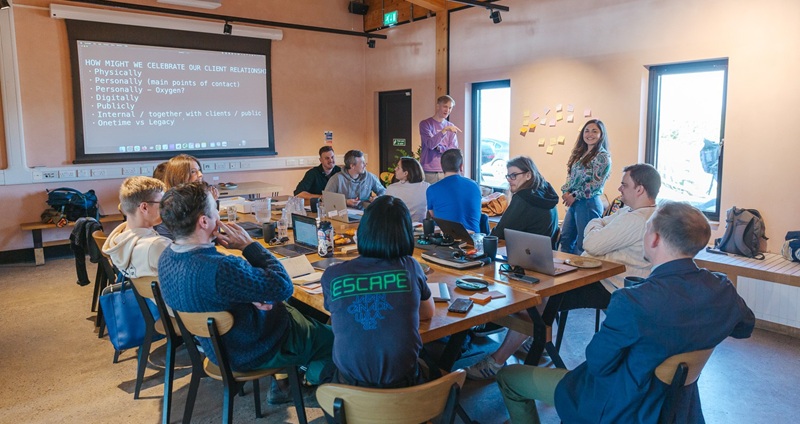
“One of the key tips about becoming a B Corp is that you don’t just become one and tick it off your list. Achieving B Corp certification is just the start of the journey. It’s about a wholehearted commitment from the top to the bottom of your organisation to do better business. It affects everything – from Articles of Association and company mission, to choice of suppliers, clients, company policies and so on. No business is perfect, but the B Corp assessment criteria help to set priorities and objectives towards meaningful change so that people and planet are considered equally alongside profit. It’s a huge commitment, but for us, there’s no other way to do business.”
Alex Ririe, The Collaborators (BCI profile | B Corp profile)
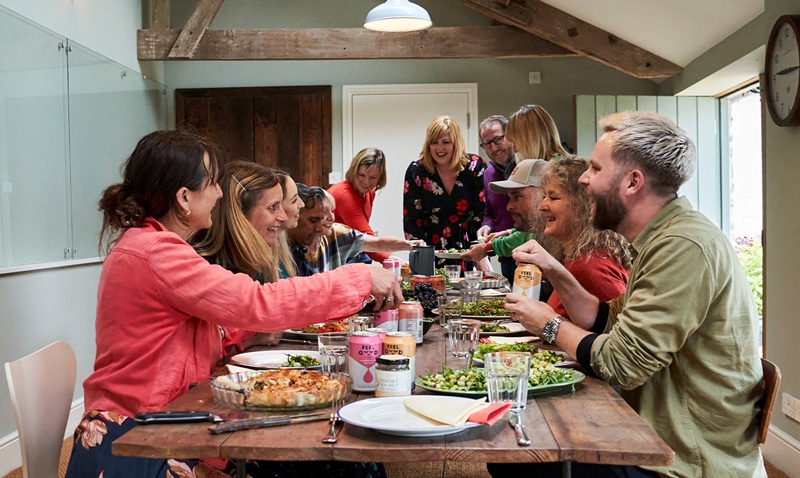
“Halo was one of the first 1,000 businesses in the UK to become a certified B Corp.
“Becoming a B Corp challenges you to focus on areas often overlooked and helps focus your business into a force for good. There is a lot to do, so I’d say start small—review suppliers, refine policies, and engage employees by letting them choose causes they’re passionate about. Keep it on the leadership agenda, talk and learn from other B Corps.
“The process is about continuous improvement, ensuring accountability and impact. Going green doesn’t mean an overhaul; think local, reduce waste, and measure your footprint- we plant a tree for every invoice we raise. The biggest tip? Just get going.”
Nina Edmonds, Halo (BCI profile | B Corp profile)
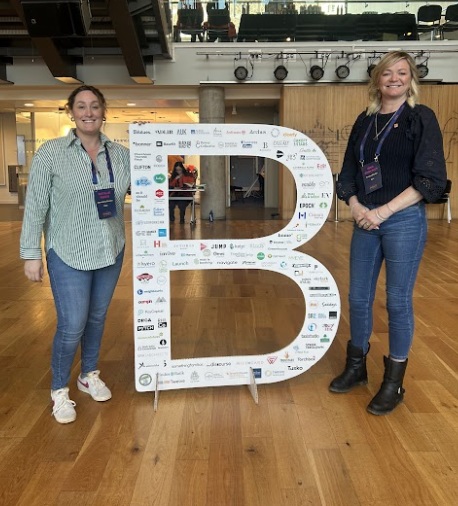
“Our mission is to shape an industry where paid media done the right way delivers client success whilst contributing to stronger communities and a healthier planet.
“This clearly aligns with the B Corp values and the accreditation has helped us focus on how we can expand our purpose.
“We had a mentor, Business on Purpose founder Andy Hawkins, to guide us through the process, which was very helpful. The B Corp community is a valuable one in which working collaboratively is at its core. If you are not sure whether to proceed with the accreditation, feel free to reach out to us (or any other friendly B Corp) and we’ll be happy to answer any questions.”
Toby Parkins, The Nest Media (BCI profile | B Corp profile)
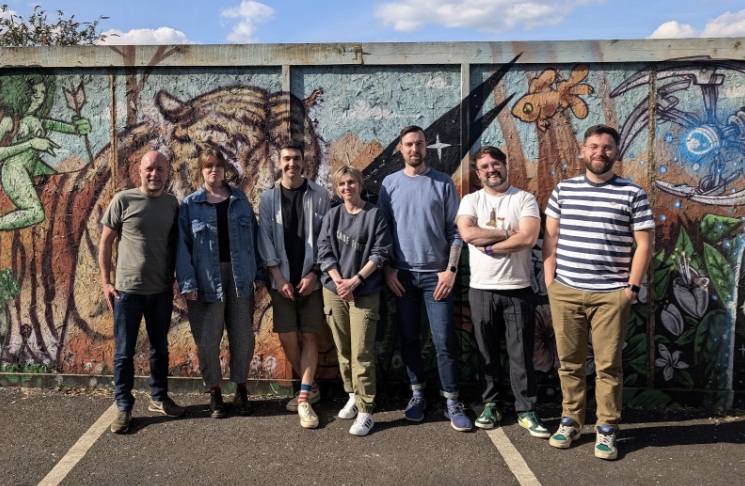
“Our mission is to create work that has a positive impact on people and planet, so becoming a B Corp felt like a natural step.
“Our tip is to really make sure that your people are on board with what you’re trying to achieve. B Corp certification isn’t something that a couple of people within the organisation can be solely responsible for. It’s down to everyone playing an active role – from committing to volunteering days to understanding what reproductive policies look like in our agency.
“We take regular opportunities to share what we’re working towards and invite feedback from teams across the business, which is so far proving successful.”
Sarah Dennis, Aer Studios (BCI profile | B Corp profile)
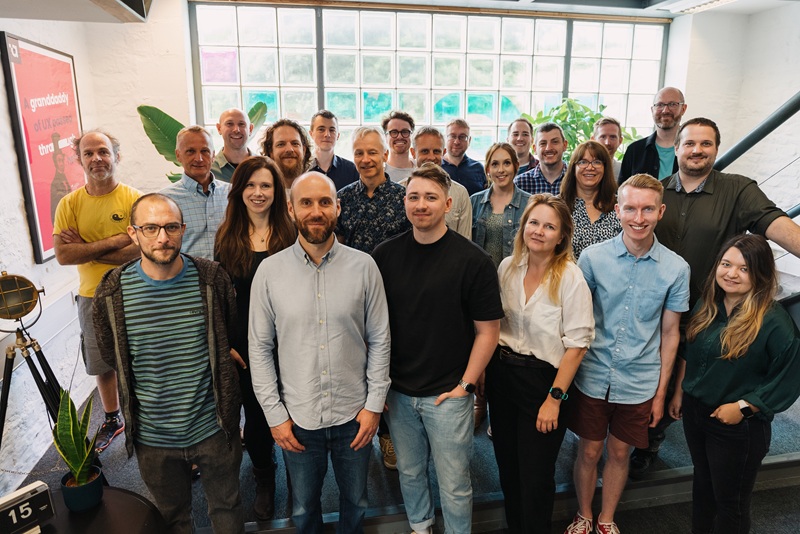
“Becoming a B Corp isn’t just about ticking boxes; it’s about weaving purpose into your business’s DNA. It starts with a genuine commitment to people, clients, the community, and the planet. Prioritise ethical practices, transparency, and accountability.
“Continuous improvement is key; small, meaningful changes create a lasting impact. Use your business as a force for good, challenge the status quo, and resist pressures that push against positive change. The journey to certification is a mindset shift, not just a process. When you do it for the right reasons, everything else falls into place.”
Josh Harrison, Taxi Studio (BCI profile | B Corp profile)
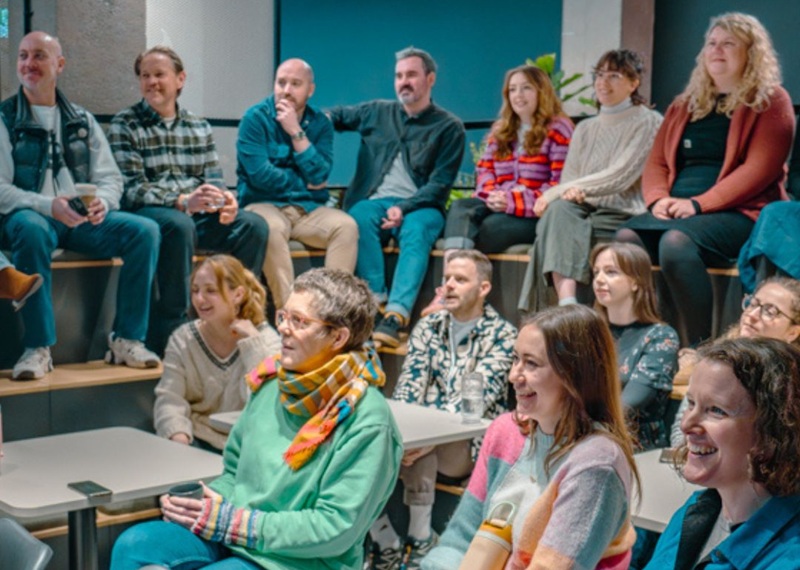
“First and foremost, you have to truly want to do it. When Something Familiar began our B Corp journey, it was because we wanted to wear our values on our sleeve and embed good practices from the start – ensuring our business grows in alignment with our principles.
“The process is rigorous and constantly evolving, but that’s the point. We started by being honest about where we were, then committed to change, growth, and improvement. It’s not just about policies, it’s about embedding impact into every decision.
“The benefits are super clear too, we’ve forged stronger relationships, engaged teams, and built long-term sustainability. If you’re considering starting your journey, the B Corp community is incredibly open and supportive, ready to guide you along the way.”
Rich Williams, Something Familiar (BCI profile | B Corp profile)
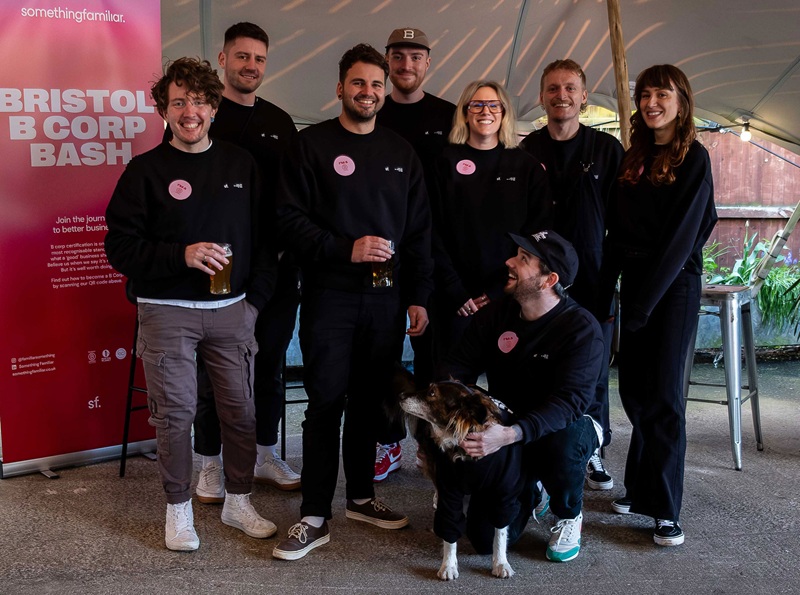
“Becoming a B Corp isn’t just about earning the certification, it’s about committing to continuous improvement in how your business operates. By embedding its principles into your company culture, you will ensure your team understands and embraces the commitment.
“From producing an annual impact report to recertifying every three years, B Corp principles should be woven into the fabric of your business, not forgotten once the plaque is on the wall. Tracking progress and gathering evidence are key to this. At our company, we hold a monthly B Corp team lunch to review each pillar and share updates. Certification isn’t the finish line–it’s the start of an ongoing journey to balance profit with purpose and drive meaningful impact.”
Lucy McKerron, Purplefish PR (BCI profile | B Corp profile)
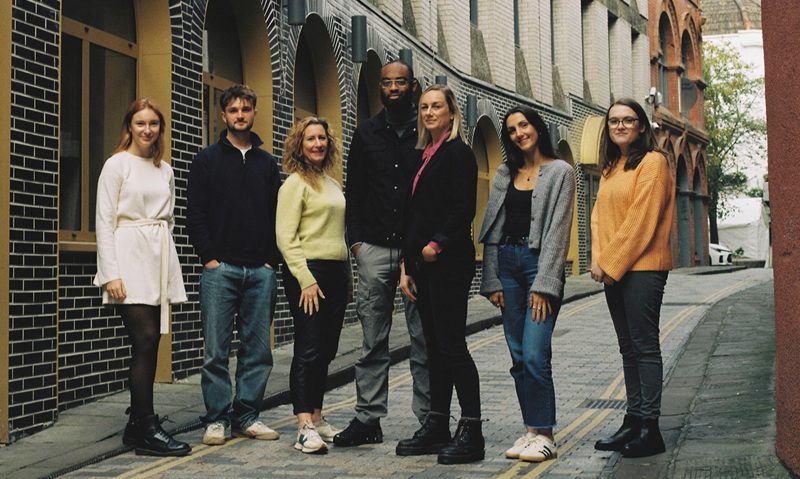
“Give yourself plenty of time. Use the Impact Assessment questions to inform and guide your company policies and business practices before deciding to go for certification, so that the core values of B Corp are already embedded into your culture.
“Learn from others who have been through it but if you can, engage a consultant. We were guided through the process by Byen which made the whole experience very enjoyable.
“Be thorough and meticulous. Continually record and build your evidence to simplify the submission stage.
“Look for easy wins – small changes can have a big impact.
“If you have been honest and evidenced everything, you can be confident of your score when you submit.”
Alexia Mihranian, Osborne Pike (BCI profile | B Corp profile)
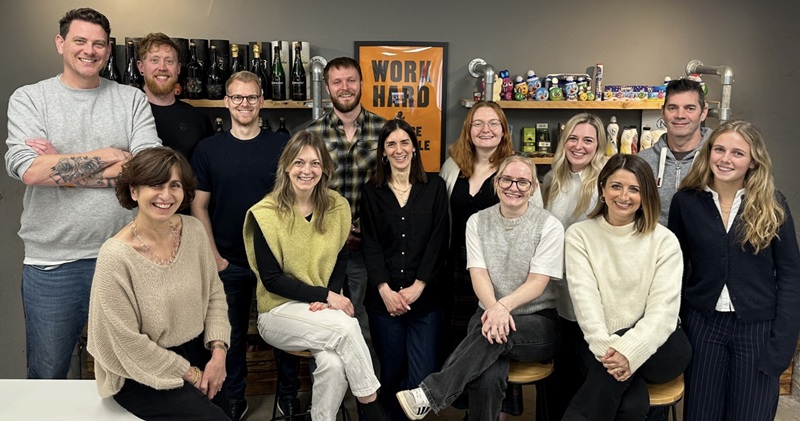
Be authentic
You should become a B Corp because you believe in the philosophy, not because it’ll benefit you, so do it for the right reasons and focus on initiatives that make a real difference to your team, your community and the world around you.
Focus on the Three Ps
People, Purpose and Planet are the cornerstones of being a B Corp. Get those right then in turn it will benefit your Profit.
Build B Corp into your culture
It takes time and energy to live your B Corp values. Embed purposeful initiatives into your company culture and objectives to stay focused and on track.
Make friends
It’s easier (and more impactful) to make a difference if you do so with others! Find your local B Corp community and make partnerships with like-minded businesses around you.
Be adaptable
What it means to be a B Corp changes with the times, so be adaptable to new landscapes within society and the planet as a whole.
Amy Stobie, AgencyUK (BCI profile | B Corp profile)
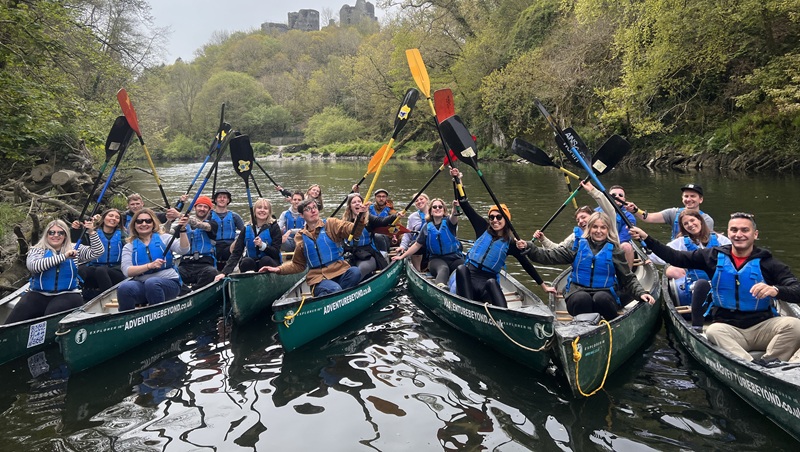
“Becoming a certified B Corp was a proud milestone for us at Rhombus.
“My advice? Don’t treat it like a side project. Make it part of how you do things, day to day.
“Get your team involved early, be honest about where you’re falling short and see it as a chance to improve, not just to certify.
“The process can feel heavy at times, but it brings real clarity. For us, it’s helped sharpen our purpose, hold ourselves to a higher standard and shape the kind of clients and collaborators we want to work with. Worth every spreadsheet (and late night!)”
James Ratcliffe, Rhombus (BCI profile | B Corp profile)
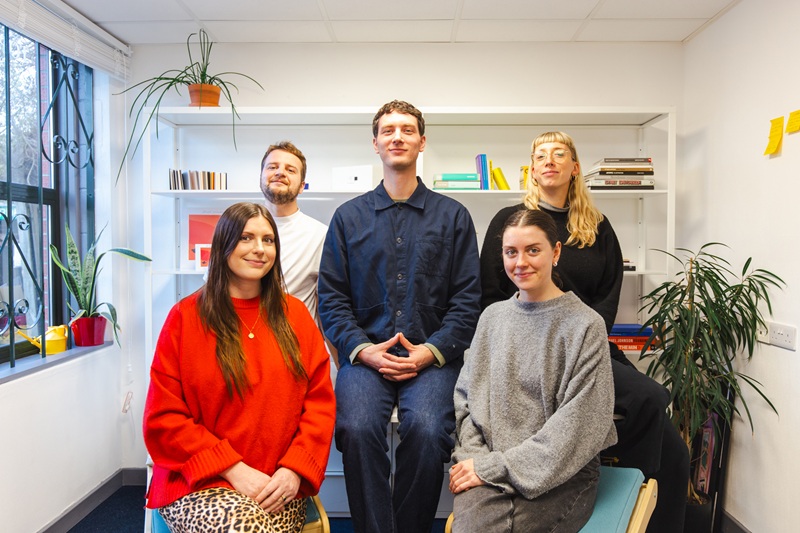
“Going through the process of becoming a B Corp is a little like eating the proverbial elephant – you have to do it one bite at a time.
“It is a big task, but by breaking it down you can make a plan that works with your resources. Try to get as many of your team involved as you can, not only to share the workload but to ensure everyone is on board and actively participating in the process. And don’t forget the wider B Corp community, including B Leaders, who are on hand to answer questions when you get stuck.”
Rin Hamburgh, Rin Hamburgh & Co (BCI profile | B Corp profile)
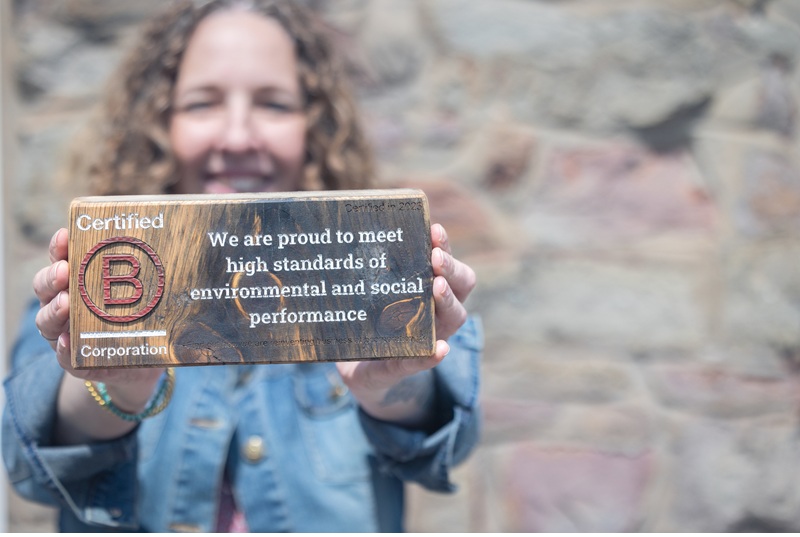
“The best way to become a B Corp is by not taking it as a set of requirements, but genuinely using them as principles to guide yourself as a business.
“Especially with the upcoming changes, becoming certified is a lot harder if you consider it as the minimum bar to jump. By thinking genuinely about the impact you can and want to make that aligns with who you are as a business it’s far easier to get everyone on board and embed B Corp into your culture, which in turn, makes the accreditation easier too.”
Alistair Paul, Bright (BCI profile | B Corp profile)
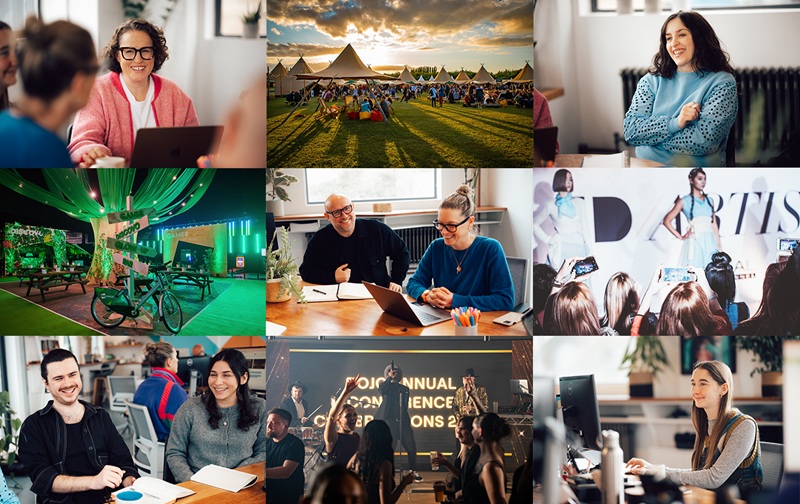
“We started our B Corp journey in 2018 and certified in 2019.
“The more we heard about it the more aligned we felt with it and that it gave us a framework to work towards and ultimately the recognition that we were running the company in the right way.
“The key thing is identifying where you feel as a company you can make a meaningful difference across the five core areas assessed. It’s important everyone has a voice and that you are all working towards the same goals you want to achieve.”
Steve Kay, ADLIB (BCI profile | B Corp profile)
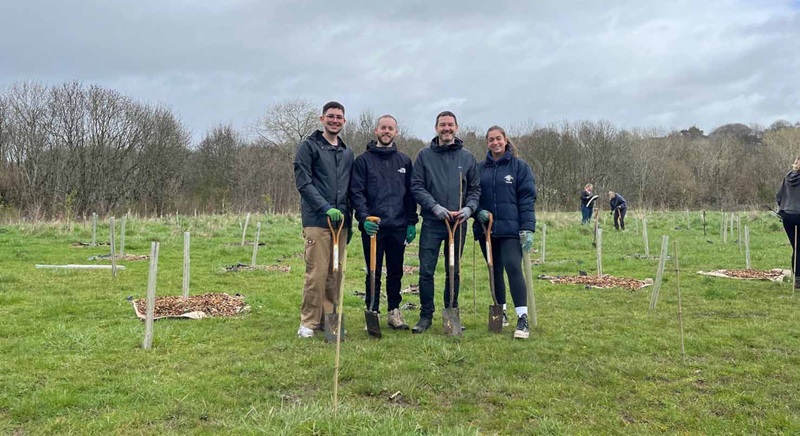
“I’d suggest working through the Business Impact Assessment one section at a time. And take your time. Chip away at tasks little and often to make steady progress. Try to set aside dedicated time each week to move forward.
“Share the workload with your team, so you don’t feel overwhelmed. It’s also important that the process feels authentic. Ideally, you’ll find that many of the policies, procedures, or at least values, are already in place in your company. So going B Corp feels natural and genuine, like the next step in your journey.”
Jess Evans, Shaped By (BCI profile | B Corp profile)
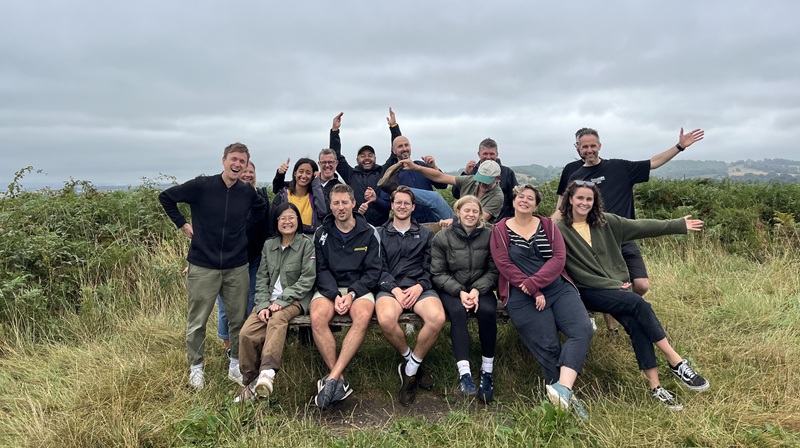
“Becoming a B Corp is a transformative journey that reshapes your business around core values centred on people, planet and purpose. At ORCA, these principles have always guided our work, and certification has only strengthened our commitment.
“This process impacts every part of your business, so involve your entire team from the start. Define clear roles and responsibilities to ensure that everyone contributes to the initiatives that drive sustainable change. Embedding these values into daily operations is key, and tapping into the B Corp community for insights and best practices provides invaluable support, reinforcing your mission and driving continuous growth.”
Mila Embury, ORCA (BCI profile | B Corp profile)
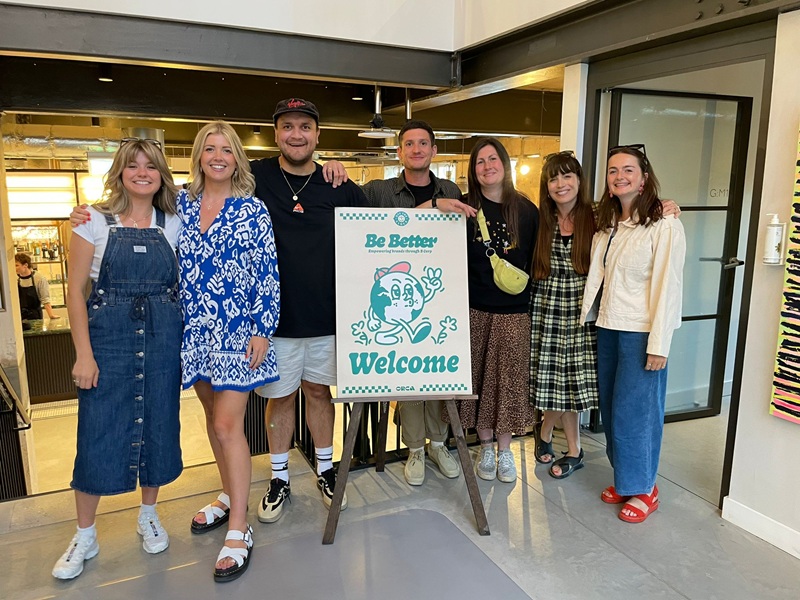
“Get support and carve out time:
“In terms of the application itself, we found some of the questions quite jargon-heavy. So we found it really useful to work with someone who had been through the process who could clarify what sort of information the question needed as a response.
“Having support from an external party also kept us accountable for hitting deadlines around filling in the application. We set aside one day a week during the application process.
“Involve your team:
“It’s impossible for one or two people to do everything. We found that involving the team helped to share some of the responsibilities, as well as adding an element of team-building and fun to the process.”
Karen Pearce, Loom Digital (BCI profile | B Corp profile)
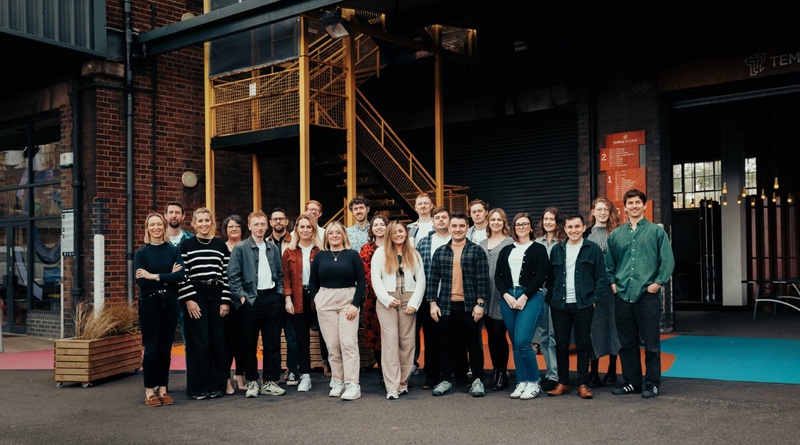
“Becoming a B Corp is just the beginning. Since certification, we’ve partnered with local B Corps to amplify our collective impact.
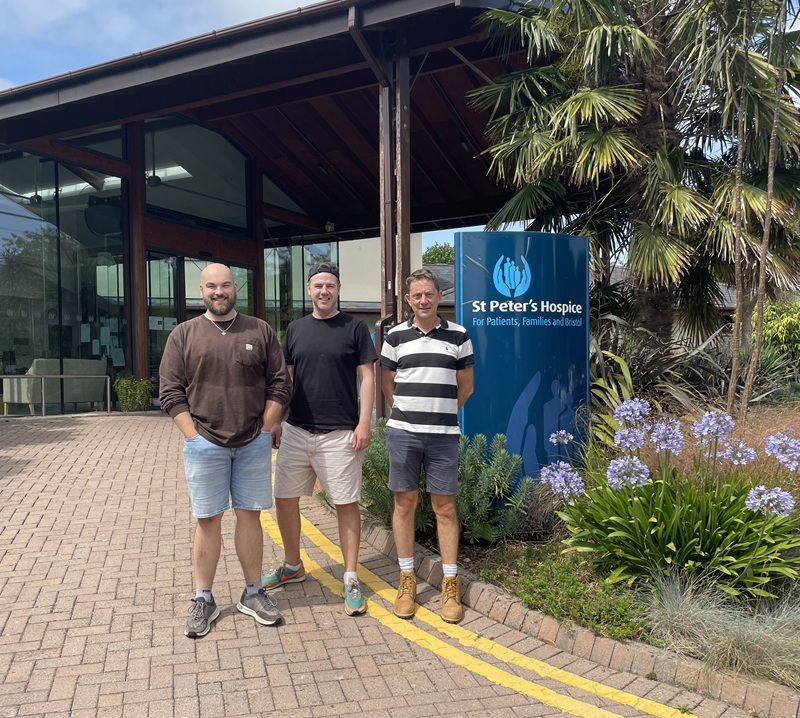
“We’ve focused on reducing energy consumption by installing new windows. Volunteering with charities like Bristol Zoo Project and St Peter’s Hospice has engaged our team and connected us more deeply to the local community.
“The quickest win? Switching to eco-friendly alternatives like CoCo+ for business travel and Ecosia, the greenest search engine on the planet. It’s the small, habitual changes that make a lasting difference in creating a more sustainable future.”
Lottie Pratt, saintnicks (BCI profile | B Corp profile)
“Being a B Corp is a commitment to ongoing positive change rather than a one-time achievement, a journey rather than a destination to tick off.
“What’s worked for us has been small but regular sustainable changes: changes that can be more easily embedded into business processes, adopted by everyone in the business and built on each year.
“Certification is truly a team endeavour but, practically, it helps to have one project leader to coordinate stakeholders and drive progress.”
Belle Farman, Sunhouse Creative (BCI profile | B Corp profile)
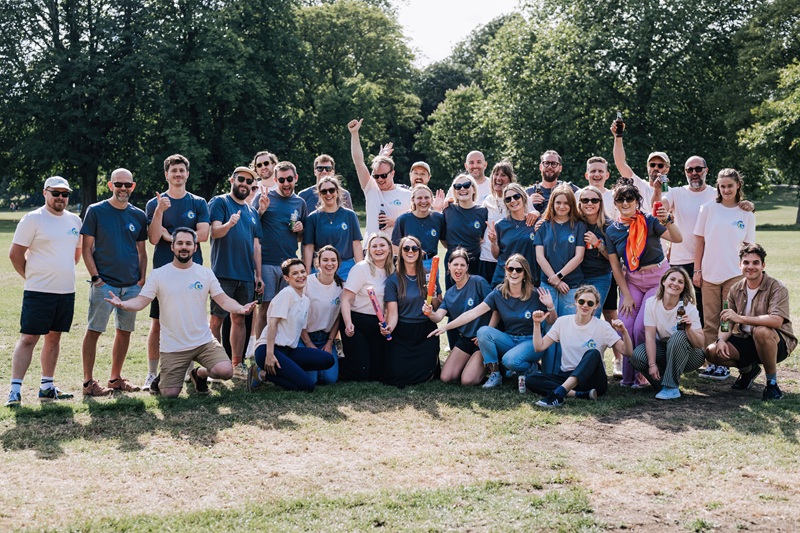
“For us the best advice we can give on how to successfully become a B Corp is simply to do it for the right reasons. If the B Corp set up is right for the values and direction of your business then it’s a no brainer. If however it’s primary use is that of a tool for sales, then reconsider. We’ve noted many controversial and immoral uses of the B logo by organisations hoping it’s a route to easy wins.
“The process of certification was a wonderful and thorough thing for us. It helped us ask questions of ourselves we wouldn’t have normally, set our business on a course for the foreseeable, and helped our team unite under clear and positive values. So our advice would be to enjoy the process with an open and honest mind. Even without certification you will take value from the process.”
Adam Millbank, JonesMillbank (BCI profile | B Corp profile)

“Becoming a B Corp back in 2022 was a real turning point for us at Skylark. The B Impact Assessment helped us dig into what we were already doing well and where we needed to step up – across governance, team, environment and community.
“My advice? Don’t wait until everything’s perfect – just get started. The Impact Assessment is famously a journey, and with good reason. You’re interrogating every facet of your business.
“In uncertain times, when businesses face economic pressures and competing priorities, it’s easy to let purpose take a back seat. But it’s exactly when people, planet, and integrity are at risk that we need values-led leadership the most.”
Nina Postans, Skylark Media (BCI profile | B Corp profile)
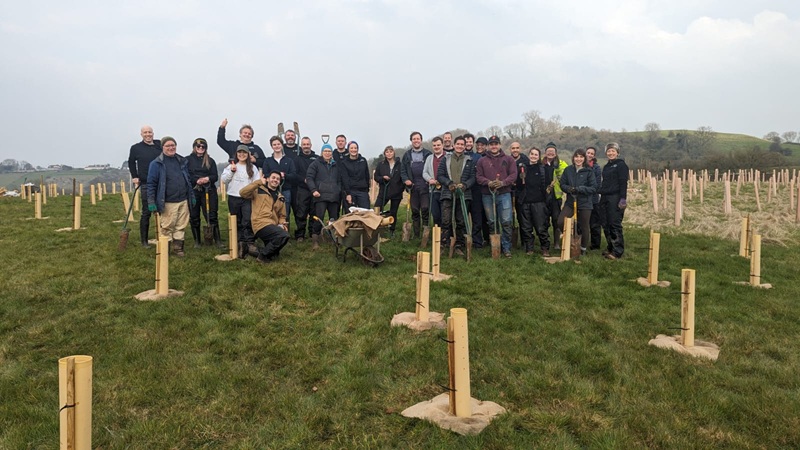
“Mustard is a Bristol based creative industry recruiter. We started our B Corp journey in September 2023 and we had confirmation of our acceptance in May 2024.
“We were looking for something that people in the business could get behind to increase the “purpose” in their role. We initially shied away from B Corp but when we went to a Bristol meet up and spoke to some people we realised that B-corp was actually it!
“We used an external advisor, the ubiquitous Andy Hawkins, who was a great help in just breaking down things that sound ominous into things that become very achievable. What we found was that we already did a lot of the stuff and that spurred us on to get that confirmation from an external organisation that we were a well-run business who gives a sh**!”
Peter Browne, Mustard (BCI profile | B Corp profile)
“Involve your team right from the start of your B Corp journey as you can’t do it alone.
“We needed to establish what was important to us and creating a culture where everyone is heard and can contribute means your B Corp statement is authentic and owned.
“We also would recommend being transparent, while creativity can be a force for good we also needed to be upfront with the sectors that we work in that can be playing catch up as they navigate change in sustainability.”
Ruth Clarke, Six (BCI profile | B Corp profile)
AI is transforming employee benefits—enhancing engagement, streamlining admin, and driving smarter decisions. Let’s explore how AI-powered personalisation, automation, and predictive analytics are shaping the future of benefits in and around Bristol.
Better decision making. Enhancing employee engagement…AI is changing benefits, fast. From reshaping how companies design benefits to how admin manage them, this tech is like nothing we’ve seen before.
So, how exactly is technology shaping the future of employee benefits? Let’s delve deeper into some of the most significant trends and predictions.
1. AI-driven personalisation
One-size-fits-all benefits packages are quickly becoming a thing of the past. Employees today expect benefits tailored to their unique needs and lifestyles. AI is making this a reality by analysing vast amounts of data—demographics, preferences, claims history, and even engagement patterns—to recommend the most relevant benefits for each individual.
For example, AI-powered benefits platforms may soon be able to suggest healthcare plans based on an employee’s past usage or recommend well-being programmes tailored to their stress levels or fitness goals. This kind of personalisation could help companies deliver benefits that really make a difference for their workforce, ultimately leading to greater satisfaction and retention.
2. Streamlining benefits administration with automation
AI and automation tools are changing the game by handling repetitive administrative tasks such as enrolment processing, compliance checks, and payroll integrations.
By automating these functions, Business Leaders and HR teams can free up valuable time to focus on strategic initiatives, such as improving employee engagement and workforce planning. Moreover, automation minimises errors, ensuring that benefits data remains accurate and up-to-date.
3. Improving employee experience with chatbots and virtual assistants
People Leaders frequently receive queries from employees about their benefits—ranging from eligibility and coverage details to claims procedures. AI-powered chatbots and virtual assistants can provide instant, 24/7 support to employees, answering common questions and guiding them through benefit selections.
This reduces the burden on Business Leaders and HR teams while ensuring that employees get the information they need when they need it. Plus, chatbots can proactively remind employees about key deadlines, such as tax periods or required documentation submissions, helping to improve overall engagement with benefits.
4. Leveraging predictive analytics for smarter decision-making
AI is already improving how benefits are administered, but what if it could also help companies make strategic benefits decisions? Predictive analytics tools will soon be able to analyse trends and employee behaviour to help HR teams anticipate future needs.
For example, AI could forecast which benefits are likely to see higher utilisation based on historical data, enabling companies to adjust their offerings accordingly. This would help Business Leaders and HR teams make data-driven decisions that align benefits with workforce needs, budget constraints, and overall company objectives.
5. Ensuring fairness and transparency in benefits access
AI-driven benefits platforms can also help eliminate bias in benefits administration. By analysing data objectively, AI can identify gaps in benefits utilisation among different employee groups and highlight areas where adjustments may be needed to ensure inclusivity and fairness.
For example, AI might reveal that certain demographics within a company are underutilising mental health resources due to a lack of awareness. Business Leaders can then take targeted steps to address these gaps, ensuring that benefits are truly accessible to all employees.
So…
What’s the take-away? Balancing innovation with a human touch
While AI offers incredible potential in the employee benefits space, it’s essential to balance automation with human oversight. The goal should be to enhance Business Leaders and HR’s ability to provide meaningful, personalised benefits—without removing the human element that makes employee support truly effective.
By embracing AI, companies here is the South West can not only improve efficiency but also create benefits experiences that employees love. The future of employee benefits is here, and it’s smarter, more personalised, and more impactful than ever before.
To learn more about what emerging technologies are bringing to benefits get in touch.
Wow—what a week! We knew opening the doors to Gather Round Trinity would be unique. Still, nothing could have prepared us for the great vibes, creativity, and community already blooming in this incredible space.
From day one, this place has been buzzing with energy. Freelancers have set up their desks, agencies are brainstorming in the meeting rooms, and new members are getting their coffee fix in The Vestry—all surrounded by the stunning stained-glass windows and Gothic arches of Trinity. This spot was made for bringing people together, and it’s already doing its job!
Trinity Church has always been a place where people come together. This building has a soul from its days as a place of worship to its role at the heart of Bath’s Afro-Caribbean community, with the legendary Rainbow Steel Band setting the soundtrack. And now, a new creative chapter is unfolding within its walls with the recent Gather Round transformation.
Seeing people walk into the space, heads tilting up to take in the original timber ceiling and the thoughtful restoration work—it’s been incredible to watch their reactions. Some are speechless; others just let out a simple “wow.” We feel the same way every time we walk through the doors.

It’s hard to pick highlights, but here are a few standouts from last week:
The smell of fresh coffee, the hum of early conversations, laptops opening and members settling in —it was the moment we knew Trinity was coming to life.
A beautiful display of Landrace pastries, fresh berries, and a lively atmosphere of new connections at our launch breakfast! Seeing the room filled with people connecting, sharing ideas, and toasting new beginnings was magical.
The beauty of a co-working space is serendipity. It’s been heartwarming to watch members realise they have mutual connections, collaborators, or even old friends in the room. Even two office dogs know each other, a potential creative canine collab?

This is just the beginning. We have a lineup of industry talks, networking events, and creative meetups in the pipeline. Because Trinity isn’t just about work, it’s about community. If this first week is anything to go by, we’re in for something special.
As the community manager, I still pinch myself that I can spend my 9 to 5 in such a breathtaking space, surrounded by friendly faces I look forward to getting to know better. We’ve already shared laughter over coffee machine antics and admitted our guilty pleasure for biscuits before dinner. I’ve also connected potential friends and creative collaborators with each other. My favourite part of the job is just showing people around the space and witnessing the wonder in their eyes. If you haven’t stopped by yet, come see us. Grab a hot drink, take a tour, soak up the atmosphere, and meet the people already calling Trinity home. Whether you’re looking for a new workspace or want to check out this beautifully restored landmark, we’d love to welcome you.
Here’s to the start of something amazing. Book a tour to see it IRL.
Or follow us on Insta for more shots of the beautiful space.
This article was written by Kristele, our Community Manager in Bath.
You want your employees to take their PTO, but how can you encourage them to make the most of it? After spending time within the WECA led Good Employment Charter and fellow member Rich Roberts from Enrich it struck me that it can be boiled down to 4 areas of focus.
Taking paid time off (PTO) can sometimes feel more like a guilty pleasure than a necessary break. Latest research has now indicated that nearly 60% of the UK workforce takes less time off than their holiday allotment allows. Many employees hesitate to take their PTO, fearing they’ll fall behind or be seen as less dedicated. But not taking time off can lead to burnout, decreased productivity, and overall dissatisfaction.
Encouraging employees to use their PTO is essential for their well-being and the company’s success. Here are four effective strategies to ensure employees feel empowered to take their well-deserved time off.
The foundation of encouraging PTO starts with company culture just ask fellow member Rich Roberts. It’s one thing to offer time off, but it’s another to cultivate an environment where rest is genuinely valued. Leadership plays a crucial role here. When managers and business leaders visibly take their own PTO and fully disconnect from work, it sets a powerful example. Employees need to see that taking time off is not only acceptable but encouraged.
Normalise conversations about PTO in team meetings and one-on-ones. Ask employees about their plans for using their time off and encourage them to schedule it in advance. Make it clear that taking breaks is a sign of a healthy work-life balance, which in turn leads to better productivity and creativity. When rest is embedded in the company culture, employees feel more comfortable taking their time off without fear of judgement.
One of the most direct ways to encourage employees to use their PTO is by implementing a “use-it-or-lose-it” policy. This policy motivates employees to take their time off within the year or risk forfeiting it. The idea of losing something they’ve earned is often enough to prompt employees to plan their holidays.
However, it’s important to support this policy with regular reminders and adequate time to use the PTO. Quarterly reminders of remaining PTO balances and upcoming deadlines can help keep it top of mind. This approach not only boosts PTO usage but also ties directly into the company’s broader commitment to employee well-being.
For instance, linking this policy to other wellness initiatives—like mental health days reinforces the idea that taking time off is crucial for overall health. This integration helps employees see PTO not as a luxury but as essential.
One of the biggest barriers to using PTO is guilt. Employees often worry that taking time off will burden their colleagues or be seen as a lack of commitment. To counter this, companies need to actively work to remove the stigma associated with PTO.
Start by clearly communicating that the company values and expects employees to use their time off. Establish clear protocols for handling workloads when someone is on holiday, such as assigning a backup or redistributing tasks. This reassures employees that their responsibilities will be managed in their absence, reducing the anxiety of taking time off.
Additionally, celebrate PTO usage. Create a culture where taking time off is recognised and even celebrated. Some companies I have seen encourage employees to share their holiday experiences, fostering a sense of community and normalising the use of PTO. When taking time off is viewed positively, employees are more likely to take advantage of their PTO without feeling guilty.
To truly highlight the value of PTO, integrate it into your broader wellbeing strategy. When PTO is positioned as a key element of overall employee health, it shifts from being just another policy to a vital part of your company’s approach to health and wellbeing.
Start by linking PTO with other wellness initiatives, like mental health programs, stress management resources, and flexible work options. Align PTO with wellness days, offer incentives for taking time off, and provide health and wellbeing employee benefits. This integration helps employees see how taking time off directly supports their mental, emotional, and physical well-being.
Take time to run employee benefits presentations clearly showing how PTO fits within your broader benefits package highlighting how regular time off can enhance day to day life. When employees see that their time off is a crucial part of staying healthy, they’re more likely to use it without hesitation.
So an employee “benefit” might not be an obvious paid piece of the jigsaw such as a pension, it could be as simple as encouraging employees to take their paid time off and creating a supportive culture that values rest and balance. By fostering an environment where PTO is encouraged, implementing smart policies, removing guilt, and integrating PTO into the broader benefits strategy, companies can ensure their employees feel empowered to take the breaks they need. The payoff is significant: a more engaged, productive, and satisfied workforce that drives the company forward. When employees are rested and recharged, everyone wins.
Feel free to speak to me further if this resonates with you.
Being part of the Bristol Creatives community let’s explore how Business Leaders and HR can build a future-proof benefits strategy to stand out in the crowd.
In 2025, Business Leaders and HR Teams face a perfect storm of rising costs, shifting employee expectations, and global complexities. More than ever, benefits are a critical lever for your company’s success. Looking through the latest research alongside my day-to-day experiences I am witnessing some of the key trends that are reshaping the benefits landscape. It’s these insights that can help build a benefits package that really sticks the landing in 2025.
Trend 1: Low Employee Engagement
Despite many companies identifying employee engagement as their top priority in 2024, only a handful truly offered full flexibility in their benefits packages along with disjointed platforms further exacerbating this issue. Employees still struggle to find what they really need, reducing the perceived value of their benefits.
Companies can boost engagement by implementing flexibly of benefits and improving communication. Flexible allowances empower employees to spend on the benefits that matter most to them, while regular touchpoints ensure that they know what benefits are available to them.
But there’s another challenge. Most organisations don’t even have the data they need to make improvements. Without clear metrics, Business Leaders and HR teams are left guessing at what’s working and what’s not, making it harder to optimise benefits for engagement and retention.
If large enough (if you know…you’ll know!), employers should consider implementing a centralised benefits platform to simplify access and improve communication. Companies should also track key engagement metrics like utilisation rates and employee satisfaction to ensure their benefits are making an impact.
Trend 2: Reprioritising Foundational “Core” Benefits
In 2024, organisations reallocated their budgets to prioritise foundational (or Core) benefits such as medical and life insurance. This shift was largely driven by soaring healthcare costs and NHS waiting lists.
But focusing solely on reactive interventions without addressing preventative measures risks perpetuating the cycle of rising costs and declining health outcomes.
Companies should hold off on completely cutting wellbeing spend and instead pair foundational benefits with preventative wellness initiatives. Low-cost strategies like workplace wellness programs, ergonomic assessments, and access to digital wellbeing tools can reduce long-term healthcare expenses while boosting employee satisfaction. Just ask fellow member Nairn Robertson of Active Teams fame!
With employer healthcare costs reportedly increasing by up to 150% in some regions, benefits leaders are under growing pressure to rethink their approach. More organisations are shifting toward hybrid models that combine traditional insurance with preventative care, such as epigenetic testing, mental health support, and lifestyle coaching. Taking a proactive stance on employee health isn’t just a nice-to-have—it’s a necessity.
Trend 3: The ESG Opportunity
Despite dominating much of the conversation in previous years, Environmental, Social, and Governance (ESG) considerations remain underrepresented in benefits strategies. While initiatives like electric vehicle schemes are gaining traction, the broader social aspects of ESG—such as inclusivity and equity—are often overlooked.
But the winds are due to change. Generation Z highly value sustainability and inclusivity. Organisations that fail to align their benefits with these principles risk losing talent to competitors who demonstrate stronger commitments. Flexible bank holidays, DEI-focused initiatives, and sustainable benefits can enhance your employer brand and meet the expectations of a values-driven workforce.
Companies that integrate social responsibility into their benefits—whether through inclusive healthcare policies, sustainable investment options, or support for underrepresented groups—will gain a significant competitive edge. Employers should go beyond surface-level ESG efforts and embed these principles into their benefits programs.
So, what is the future of benefits? It’s clear…evolve and adapt or risk falling from behind. The data is clear: Business Leaders and HR who take a proactive, data-driven approach will lead the way in 2025. Flexibility, innovative tech, and ESG-aligned benefits aren’t just trends—they’re the new standard for a competitive, future-proof benefits strategy. Companies that embrace this shift will build stronger, more engaged workforces, while those that stick to outdated benefits risk losing top talent. The good news? With the right tools and insights, you can take control of your benefits strategy and turn it into a true driver of success.
If you wish to explore these themes further, then drop me a line!
Our fabulous office space in Clifton, Bristol is becoming available and we wondered if any of our fellow BCI members or connections might be interested in the space.
Becs and I are moving to a fully remote model, so the office is available!
Permit parking is possible which is available from MiPermit, opposite The Ivy and in the heart of Clifton Village, it really is a great space and we’ve been super happy here for 5 years!
All the details are here, and if you’d like some more information please call us on 07377 400413
You need to load content from reCAPTCHA to submit the form. Please note that doing so will share data with third-party providers.
More Information