Budget 2026: What Bristol Creative Industries members want to see for creative businesses
Ahead of the Budget on 28 October, the first by Andy Burnham‘s government, Bristol Creative Industries members tell us what they would like to see in the speech for creative businesses and the creative industries.
Make sure you’re signed up to our newsletter which on 30 October will include an article on the Budget measures of interest to the creative industries.
Ben Lowndes, Distinctive Communications:
Andy Burnham’s signature pledge to bring ‘growth to every postcode’ has picked up the qualifier ‘good’ as the Budget approaches.
Good growth, as opposed to any old growth for the sake of it, represents a telling tweak that I hope encourages a debate about the economy we want to see.
I’m struck by ministers’ statements of support for businesses, evoking nail bar owners, pub landlords and café proprietors ahead of the Budget. As someone who grew up in a retail family, I know how badly the high street needs support. But unless I’m missing something, creative businesses’ contribution to good growth doesn’t feature much in these announcements. I find this baffling.
Businesses like ours employ locally, on decent salaries. We spend locally – 80% of our expenditure with suppliers last year went to organisations based within 100 miles of Bristol. We’re here for the long haul. Why isn’t this part of the good growth narrative? It could be if the budget gives businesses confidence to hire and invest. Cutting the cost of doing business and hiring would help.
I’d love to see the Budget recognise this challenge, because the potential payback is huge and lasting. If Mr Healey looks to our sector, he’ll find businesses who provide good jobs and make a positive difference in places across the country. And if these businesses grew by 10% next year, it would have a lasting impact in many postcodes.
That’s what good growth could look like. As the economy shows signs of recovery, I hope whatever happens on Budget Day makes achieving it more straightforward.
Verity Cash, Alphabet Communications:
The creative industries rely on a thriving ecosystem on freelancers and contractors. The Budget is an opportunity for the government to address the unintended consequences of IR35 which continue to add complexity and risk for individuals and organisations when engaging independent talent. I’d like to see reforms which support genuine self-employment and entrepreneurship which recognises flexible working is at the heart of the creative sector.
Nic Crane, The Crane Consultancy:
What growing businesses need from this Budget is fiscal policy that rewards commercial infrastructure over vanity output. With marketing spend rightly scrutinised for bottom-line return, regional growth won’t come from generic innovation grants; it will come from incentivising technical data integrity, automation, and AI search readiness.
The divide between businesses positioned to lead into 2027 and those falling behind is defined by digital infrastructure, not creative posturing. The chancellor should expand capital allowances to cover practical AI integration, advanced measurement, and proprietary tooling backing the specialist practices engineering durable commercial velocity.
Phil Robinson, Proctor + Stevenson:
I believe creativity and creative services have a meaningful role to play in growing the UK economy and strengthening our standing in the world. We help businesses adopt new technologies more effectively, build brands that compete globally, and reach more customers across every sector.
I’d love to see the Budget recognise that contribution through funding and incentives that help small and medium-sized creative agencies invest, innovate and grow. Alongside this, investment in training, apprenticeships, paid placements and accessible routes into the industry would give more young people opportunities and help nurture the talent our industry needs to secure its future.
Janusz Stabik, GYDA:
AI is splitting the agency sector in two. Some agencies are leaping ahead, rebuilding how they deliver and what they sell – many are capitalising already. Others are surviving, just, by doing the same work faster until clients notice and push the price down, leaning on already stretched balance sheets. Half the agency owners we surveyed this year sit in that second group. The change is moving faster than most independents can fund alone.
The Budget should back them with innovation funding that service businesses can actually qualify for, and subsidised expert support on business models, positioning and marketing to help navigate the shift. Get this right and the UK’s creative agencies stay at the cutting edge. Get it wrong and that edge goes overseas.
Zoë Burt, Words on Wealth:
The creative industries rely heavily on freelancers, yet self-employed workers miss out on the mandatory 3% employer pension contributions and the automatic enrolment. Government data suggests that only 4% of people whose income comes solely from self-employment contributed to a pension in 2023/24, which impacts the creative industry significantly given that 31.5% are self employed, vs just 16.8% across all occupations.
The Budget is an opportunity to address this growing long-term inequality. In the budget, the government should explore targeted National Insurance incentives for self-employed people who contribute to pensions, alongside accessible financial education to help freelancers understand how and why to invest for retirement. Supporting creative workers means supporting not just their livelihoods today, but their financial security in retirement.
Laura Lear, AMBITIOUS:
Bristol’s creative industry is a thriving sector with significant growth potential. To unlock this opportunity, the Budget should support wider business growth while protecting and extending creative tax reliefs, encouraging private investment and improving access to scale-up finance. This will help drive innovation, strengthen intellectual property development and boost competitiveness.
Addressing talent shortages is equally important through greater investment in apprenticeships, flexible skills funding and clear education pathways. Continued support for regional creative clusters will broaden opportunity across the UK.
Government should also enable responsible AI innovation, underpinned by strong copyright and intellectual property protections that safeguard creators and their work.
Liam Britnell, Purplefish:
Having spoken to many young people across our city over the last few years looking for their opportunity into the industry, I hear the same thing again and again. They are trying, but the doors aren’t opening, and they feel like they have little to no options. With the final report set to put this in sharper focus later this year, the Budget needs to match the diagnosis with action.
That means making it simple and affordable for businesses, including small creative businesses, to take on apprentices, without the red tape or upfront risk. That way we can afford to open those doors, change young lives, and build the talent pipeline that our sector and economy needs.
Sophie Gibson, Team Eleven:
It’s incredibly important as an independent marketing agency that measurable steps are put in place to support growth and innovation.
First, back AI adoption. We love what it helps us do for clients, but investment can be a barrier. Tax incentives would back forward-thinking agencies.
Next, make it easier for independents to pitch. Big brands stick to familiar London agencies. Let us get in the room – and we’ll take it from there.
Finally, talent. We’re all about brilliant people. Create more opportunities for the next generation by scrapping NICs for the first five years of graduate employment.
Tom Payne, Spud Gun Studios:
The creative industries are evolving fast, but too much of the available funding is still designed for traditional models and established companies. Studios like ours are building global audiences of millions and working with the biggest names in gaming and entertainment, but the funding landscape hasn’t caught up with how content is actually made and consumed now.
What we need from this Budget is more flexible funding that understands the shifting entertainment landscape, supports newer companies with international ambitions, and recognises that the future of British content isn’t just broadcast. The opportunity is enormous, but the support needs to match it.
Sammy Mansourpour, AgencyUK:
Ahead of the October Budget, the creative industries need urgent relief from rising employment and business costs. With the sector heavily dependent on freelancers and indie agencies, maintaining VAT thresholds and avoiding increases to self-employed National Insurance and Capital Gains Tax are essential to protecting independent talent.
As an agency owner, at the very least, the government must safeguard existing R&D, film, TV and video game tax reliefs, while ensuring accessible funding through its Modern Industrial Strategy. Above all, our sector needs fiscal stability and long-term confidence to protect the freelance workforce, encourage investment and enable creative businesses to grow.
Alastair Currie, SLX:
The Budget should give creative businesses the confidence to invest and grow. That means no further increases in business taxes, including employers’ National Insurance contributions and Corporation Tax. Higher costs leave businesses with less money to recruit, develop talent and take creative risks.
I would also like to see meaningful investment in young people, with better access to creative education, practical training and routes into employment. Supporting apprenticeships and helping smaller businesses offer paid opportunities would be a positive step. We need a Budget that supports businesses today while investing in the people who will shape the creative industries tomorrow.
Stuart Smith, Mostly Media:
As an independently owned media buying agency, we’d like to see a Budget that supports entrepreneurship, encourages investment and recognises advertising’s vital role in driving economic growth across all sectors. Advertising is not simply a cost; it’s an investment that generates sales, unlocks revenue, creates jobs and fuels wider economic activity.
Government policy should give advertisers the confidence and financial headroom to release more money into advertising, stimulating demand and growth throughout the economy. We need a Budget that reduces the burden on SMEs, rewards entrepreneurial ambition and encourages businesses to invest in growth rather than hold back spending.
Penny Beeston, Beeston Media:
Like most small businesses, creative agencies face severe cost pressures while working to create and maintain local jobs. Looking to the upcoming Budget, we need government measures that support agency growth and stability. As creative leaders, we feel a personal responsibility to navigate major technological shifts like AI and actively nurture the broader ecosystem.
At Beeston Media, operating in the science and tech space, we see daily how creative storytelling propels technological innovation. The Budget focusing on embedding creative industries within core growth sectors will empower businesses like ours to continue driving both regional jobs and national economic impact.
Natalie Inker, Halo
There seems to be more creative job vacancies right at the point when talent coming through is declining. GCSE entries in design have fallen over the last 10 years, and kids, including my own starting secondary school, are being told creative subjects just aren’t an option anymore.
As more industries pull creative teams in-house and smaller studios thrive, design demand is peaking just as our skill supply drops off a cliff. In this Budget, the government must prioritise proper funding for early creative education in schools. Industry & education must pull together before this talent shortage becomes irreversible.
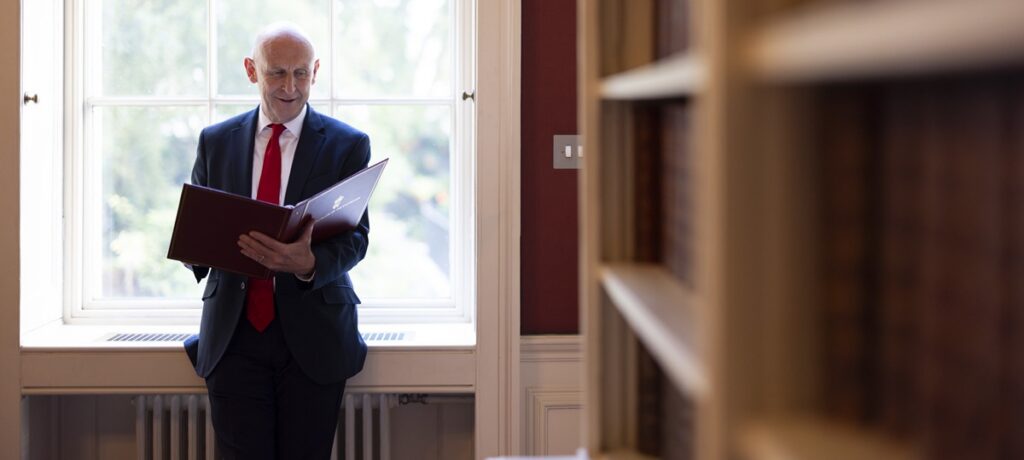
Top image credit: Kirsty O’Connor / Treasury

Bristol Creative Industries is the membership network that supports the region's creative sector to learn, grow and connect, driven by the common belief that we can achieve more collectively than alone.
You need to load content from reCAPTCHA to submit the form. Please note that doing so will share data with third-party providers.
More Information