The third and final term of comedy-drama Boarders is now available to watch on BBC iPlayer, drawing to a close the Bristol-made coming-of-age hit, which has filmed at The Bottle Yard Studios and on location with Bristol Film Office support since 2023.
Created and written by the BAFTA-nominated Daniel Lawrence Taylor, who also co-stars in the series as Gus, Boarders is produced by Studio Lambert in association with All3Media International for the BBC. Tubi in North America and LATAM and Germany in ZDF are the shows key international partners.
Series one filmed in Bristol in Summer 2023 and following the success of its release the following year – with critics praising its sharp humour, engaging performances, relatability and heartfelt exploration of institutional racism and class – its producers returned to Bristol to film two further series in Summer 2024 and 2025.
The show’s second series won the coveted Scripted Award at the 2025 RTS West of England Awards, whilst Josh Tedeku won the prestigious Breakthrough Award at the 2025 RTS Programme Awards. Casting director Rosalie Clayton also won the Casting Award at the 2024 RTS Craft & Design Awards.
For Series three, The Bottle Yard Studios hosted interior sets for a key school equipment room (which two characters get locked inside), as well as green screen filming and an exterior scene shot in the Studios’ Back Lot.
In the city, the main location was the same Bristol school that featured in previous series, and Bristol Film Office assisted filming on Clifton’s streets and additional locations including Caribbean Croft restaurant in Stokes Croft, Portland Square in St Paul’s, UWE’s Frenchay campus, a private residence in Coombe Dingle, Redmaid High School’s Sports Ground in Henbury and Ashton Court Estate.
Madeleine Sinclair, Studio Lambert Creative Director for Scripted and Executive Producer for Boarders said: “We’ve had a brilliant experience filming in Bristol over the last three years. It’s proved to be both a fantastic base for cast and crew and a wonderfully film-friendly city. Bristol Film Office were hugely helpful and supportive when it came to filming in and around Bristol.
“With The Bottle Yard Studios, we once again had a great base for our production offices during prep and space for interior sets, green screen filming and exterior locations. We feel very lucky that we’ve been able to work with so many talented local crew members, at all levels of experience and to be able to have offered training opportunities where we can. We’ll miss coming to Bristol this summer, but we hope to be back soon!”
Location Manager Cara Wiltshire added: “From a location’s perspective, returning to Bristol for Boarders S3 was a fantastic experience. With The Bottle Yard Studios as our production base, we were able to efficiently coordinate filming across a wide range of locations throughout the city, making the most of the incredible variety Bristol has to offer on screen.
“Working in Bristol is always enjoyable, and the support from both the Studios team and the Bristol Film Office makes a real difference on the ground. Their understanding of the practical needs of production, combined with their proactive and collaborative approach, helps ensure that filming across the city runs smoothly. The people leading both organisations are a genuine pleasure to work with, and their ongoing support makes Bristol a great place for location teams and productions alike.”
Similar to previous series, around 90 people per day worked on the third series, with over 70% of the crew local to the region. The production team again hosted trainees across different departments and was actively engaged with the All Set West programme at The Bottle Yard Studios. This included offering placements to two Trainees in two departments and providing work experience opportunities for five people in the Art Department.
21-year-old Trainee Jae (they/them) from South Glos, who completed their first on‑set experience, said: “Everyone was so lovely and welcoming and I had a blast! It solidified that I want to go down the Art Department route.” Sophie Kirk, a previous All Set West Alumni, also joined the crew as Art Department Assistant via the Screenskills Trainee Programme.
There were a number of other work experience participants from local colleges who experienced week-long placements during the shoot. Bristol company Latent Pictures, which works with underrepresented filmmakers, once again produced ‘behind the scenes’ footage for the series, after working with Studio Lambert on the previous two series.
Adela Straughan, Bristol Film Office Manager, added: “From the moment Boarders arrived in Bristol, seeking the perfect school location, they have showed exemplary engagement in our local film sector. The whole premise of the show is about access to opportunity, and the production team has championed this on both sides of the camera, putting inclusion and diversity at the heart of their creative and production processes. We’re proud that Boarders came to Bristol and made the most of our city’s locations. Its presence here has been a significant boost for our creative economy, workforce and early-stage crew.”
Katherine Nash, Head of Studios, The Bottle Yard Studios said: “Returning series like Boarders are so important for our regional film sector. They provide returning employment and workflow for crew and companies, and career development and progression for freelancers. In the studio and on location, Studio Lambert have embraced the opportunity to engage locally on every level, giving opportunities to our All Set West Trainees and employing local creatives and companies for different parts of their workflow. We are sad to see the Boarders era come to an end with this final series but hope to welcome Studio Lambert back to The Bottle Yard in the future for more exciting work.”
Series 3 – What’s in store?
Series 3 sees the Boarders return to St Gilbert’s where the pressure is on. They’ve made it to the final term and exams are looming. Their sights are set on big futures but new dramas are erupting everywhere. A shocking school rivalry brings violence, love triangles and shattered friendships. Can the scholarship kids conquer the madness to come out on top?
The final series introduces a host of new characters to St Gilbert’s, played by an exciting line-up of talent. New cast members include: Rufus Jones (Rivals) as Cheddar’s MP father George Tramley; Patrick Baladi (Breeders) who joins as Carol’s ex Alfie Watlington-Geese; comedian Fatiha El-Ghorri (Taskmaster) as Mrs El-Fassi a formidable rival headmistress; Kenyah Sandy (Small Axe, Highway to the Moon) stars as Leah’s new love interest Benjamin; Daisy Jacob (Tell Me Everything) plays Pixie, a new girl who quickly catches Femi’s attention; Louis Thresher (Coven Academy) appears as Jonny, Omar’s new friend who wants to be more than just friends and Nagaieh Dad joins as Yusef, an unpredictable agent of chaos who pulls Abby into his orbit.
Boarders is created by the BAFTA-nominated Daniel Lawrence Taylor, who serves as lead writer with Cherish Shirley, Temi Wilkey, Alex Straker, Emma Dennis-Edwards and Yemi Oyefuwa writing additional episodes. Boarders is produced by Studio Lambert in association with All3Media International. It is directed by Yero Timi-Biu (Three Little Birds) and Satya Bhabha (Big Door Prize, Gossip Girl, Love Life) with Ali MacPhail returning as the producer and Carleen Beadle-Larcombe as line producer. Mykaell Riley also returns as musical director. The executive producers are Daniel Lawrence Taylor and Madeleine Sinclair for Studio Lambert, and Nawfal Faizullah and Katherine Bond for the BBC.
Returning cast from series two also include Niky Wardley (Carol), Assa Kanouté (Abby), Tallulah Greive(Beatrix), Rosie Graham (Florence), Georgina Sadler (Mabel), Kendra Brown (Devonyé), Zheng Xi Yong (Xiang), Archie Fisher (Cheddar), Andrew Harmon-Gray (Graham), Ruxandra Porojnicu (Yelena), Maxim Ays (Felix), Al Foran (Stanley), William Andrews (Mackers) and Yuriri Naka (Ms Kaneko).
Series three of Boarders is available now on BBC iPlayer.
New psychological detective drama Gone starring Eve Myles and David Morrissey is now available to watch on ITV and ITVX, after filming in and around Bristol last year.
Set in Bristol, Gone is written by acclaimed screenwriter George Kay (The Long Shadow, Hijack, Lupin) and directed by Richard Laxton (Mrs Wilson, Burton and Taylor, The Thief, His Wife and the Canoe, Joan).
The fictional six-part series is partly inspired by the book “To Hunt a Killer” and the career and work of respected former Detective Superintendent for Gloucestershire Police, Julie Mackay, and ITV Crime Correspondent Robert Murphy, who has reported on some of the biggest and most complex cases in the West of England. Both Mackay and Murphy serve as consultants on the series.
Filming took place between March and July 2025, with production based The Bottle Yard Studios where bespoke sets were built for ‘Redland Police Station’ and various interiors of lead character Michael Polly’s (David Morrisey) home. A core crew of almost 100 worked on the production full time during the shoot.
On location, Bristol Film Office supported filming at locations including a café on Queen Square Avenue, a restaurant on Queens Road in Clifton and a property on Clifton’s Richmond Hill Avenue which provided exteriors for ‘Redland Police Station’. DoubleTree by Hilton Hotel in the city centre provided the setting for the police station’s press room whilst premises on Berkeley Square doubled for ‘Atherman Financial Offices’. Filming also took place at Downer School in Stratton-the-Fosse and in the village of Saltford, supported by Bath Film Office.
At an exclusive RTS West of England preview screening and Q&A on 2nd March at Everyman Bristol, BAFTA-winning director Richard Laxton, who filmed Bristol as London for BBC black comedy Rain Dogs in 2022, said: “It was great being back to film the city as itself this time. I love shooting in Bristol because it’s such a great city to film in, the hills and topography make it very interesting. We used the [Clifton Suspension] Bridge as a way to speak to the two different worlds of the school and the city.”
Executive Producer Matt Sandford added: “The geography gives you so much to play with. You can be in the centre and then drive ten minutes out and experience a totally different landscape. And of course, Bristol is one of the leading hubs for making TV in the UK.”
Speaking about the shoot, actor David Morrisey said: “I’ve not been to Bristol much before, but I’ve loved being here. It’s a great city; vibrant, cultural, and very beautiful to look at. We’ve been filming at Bottle Yard Studios, but also on location at Downer School, which is between Bristol and Bath. We had to film in the school during the Easter holidays, and pupils from the school helped us, which was really great. They had to do a lot of rugby, and they were brilliant.
Gone is a chilling mystery focuses on local Headmaster Michael Polly, played by David Morrissey (The Long Shadow, Sherwood), who becomes the prime suspect in his wife Sarah’s disappearance. An upstanding member of the community, Michael Polly is inscrutable and likes order and precision in his working life. Until, that is, he encounters super bright, gutsy Detective Annie Cassidy, played by Eve Myles (The Crow Girl, Hijack) and a compulsive game of cat and mouse begins as she chips away at his veneer in search of the truth. Beneath the surface of the mystery, lies a deeper exploration of trauma, trust and the legacy of elite institutions.
The series also stars Jennifer Macbeth, Arthur Hughes, Nicholas Nunn, Elliot Cowan, Billy Barratt, Rupert Evans, Jodie McNee, Oscar Batterham and Clare Higgins.
Gone is produced by Mark Hedges (Hanna, The Rising). The executive producers are George Kay, Richard Laxton, Golden Globe and BAFTA-nominated Willow Grylls (Des, The Missing) and BAFTA-nominated Matt Sandford (The Long Shadow). It is co-produced by New Pictures (an All3Media company) and George Kay’s Observatory Pictures, in association with All3Media International.
Episodes of Gone are airing weekly on ITV every Sunday and Monday at 9pm between 8th – 23rd March 2026. All episodes are available as a box set on ITVX from 8th March.
(Image courtesy ITV)
Director Guy Ritchie’s highly anticipated Prime Video series Young Sherlock starring Hero Fiennes Tiffin launched worldwide on 4th March, and Bristol locations played a crucial role in bringing the action-packed mystery to screen.
The eight-part blockbuster series was part-filmed on location across Bristol for five months between September 2024 and January 2025, supported by the city’s Film Office. Bristol doubles as 1870’s Oxford in the series, which charts the origin story of the world’s greatest detective, as he’s drawn into his first-ever murder case at Oxford University.
An extensive shoot saw Bristol’s streets go back in time, with Broad Street serving as a primary location, transformed into a bustling period street adorned with 19th century shopfronts for an assortment of traders including florists, butchers, barbers, taxidermists and printers. Small Street, All Saints Lane and Corn Street near St Nicholas Markets, Portland Square, Queen Square and Frog Lane were all similarly dressed.
Tarmac was overlaid with mud for authenticity, and horses and carriages lined the streets between takes. Other period touches included tram stops, vintage lampposts, newspaper sellers, market stalls and carts. Upwards of 110 cast and crew worked on location sets per day, with some scenes featuring up to90 supporting artists in full costume at a time. On the busiest days, caterers served more than 300 cast, crew and supporting artists combined.
Interiors and exteriors of The Georgian House Museum on Great George Street were used for the Oxford House of one of the lead characters, and Bristol Cathedral and Choir School doubled for the exteriors of an Oxford Concert Hall.
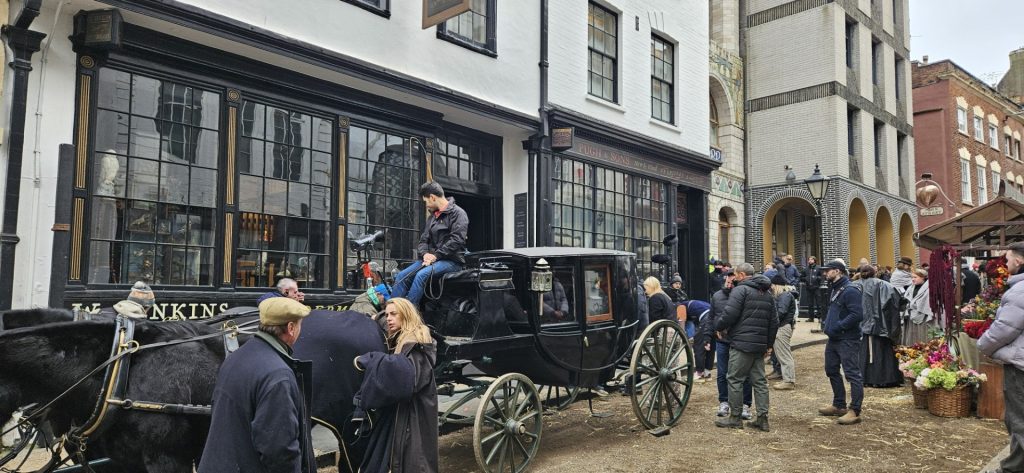
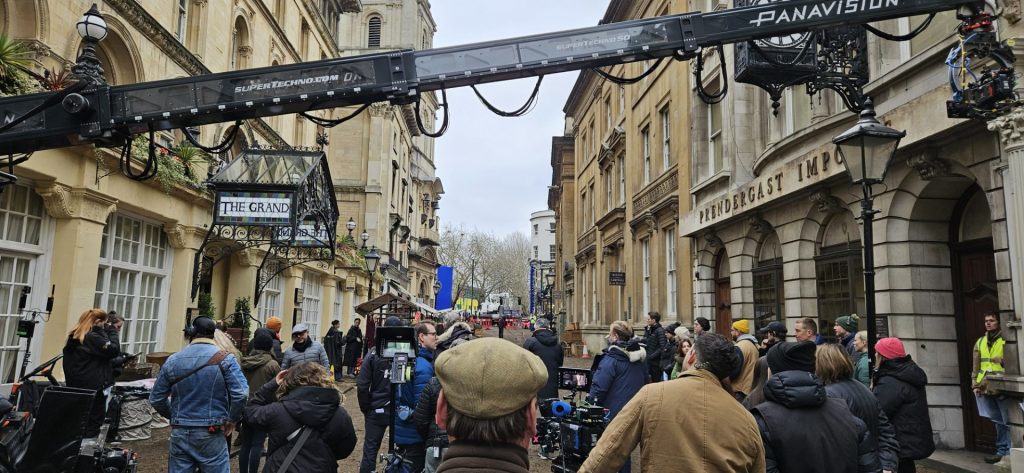
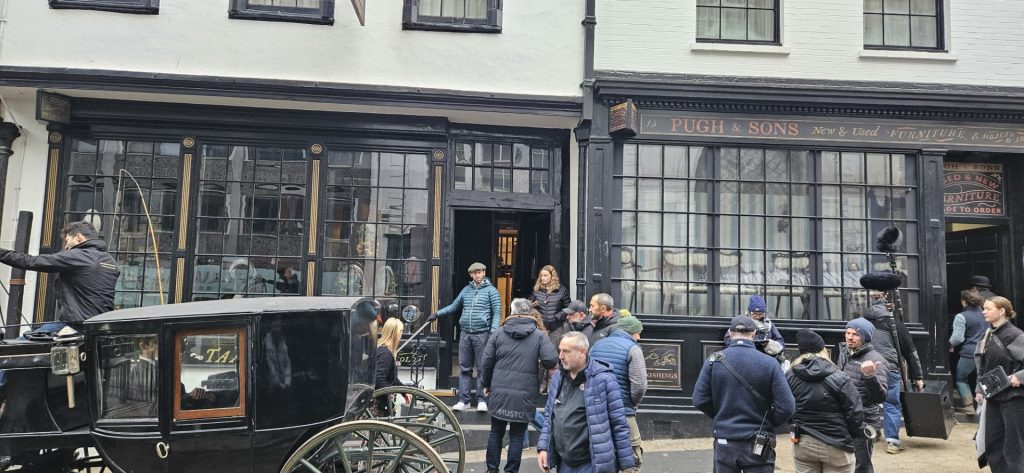
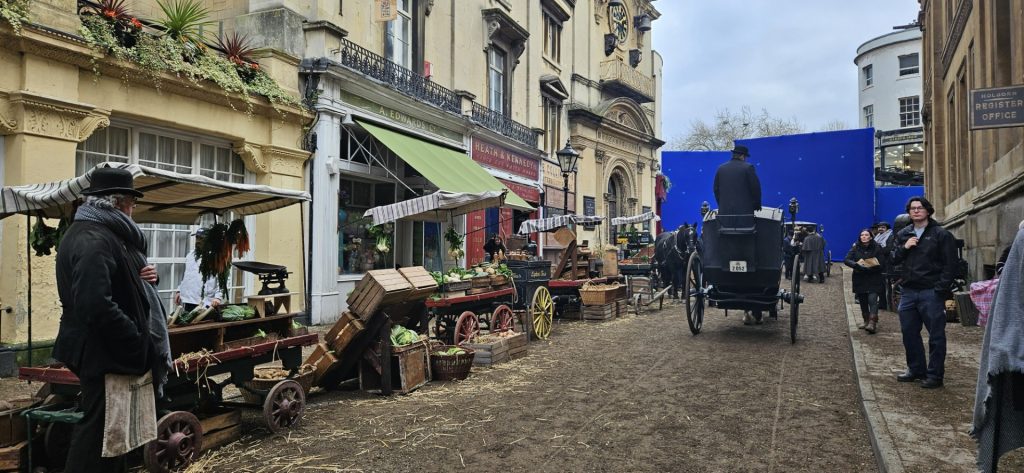
Young Sherlock filming on Broad Street in Bristol’s Old City (credit: Dominic Parker)
Another prominent location was Underfall Yard and the adjacent docks in the heart of Bristol’s floating harbour, which hosted filming for two major stunt scenes. The historic boatyard, which has been fundraising since 2023 to complete recovery and reinstatement works following a devastating arson attack, was connected to the production team by Bristol Film Office, and income brought in by filming has made a significant contribution to the site’s reconstruction.
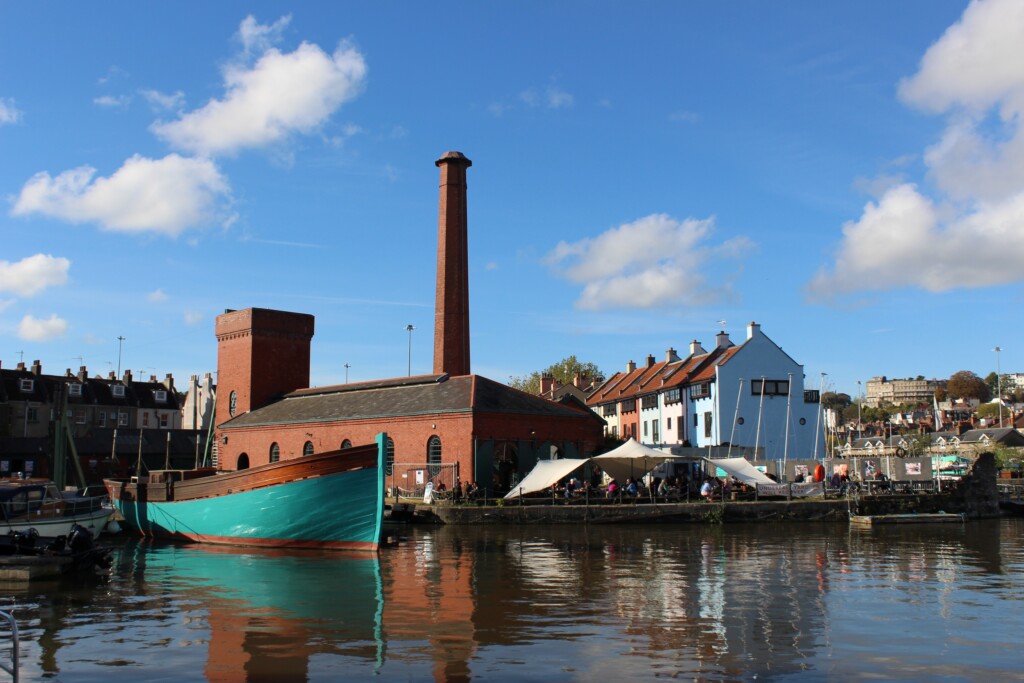
In one Underfall Yard scene, two characters follow one of Young Sherlock’s protagonists down an alley and into an old iron works (the Blacksmith’s workshop) where he ambushes them, and a hand-to hand duel till the death breaks out.
In another scene, Young Sherlock’s heroes ‘do a runner’ from the police who are in hot pursuit. They spot a cattle pen, bolt through the gate, releasing the cattle who then stampede, scattering the police in all directions, allowing the heroes to escape safely.
Deon Du Preez, Supervising Location Manager, says: “Bristol played a crucial role in creating Young Sherlock’s world. Historic Old City areas around St Nicholas Market, Broad Street, Corn Street and All Saints Lane require very little period set dressing to recreate a 19th century London setting – whilst being just as capable of doubling for a contemporary London environment. Bristol is well equipped to accommodate large-scale film and television productions, with well-established infrastructure capable of supporting multiple shoots simultaneously across the city. This architectural versatility combined with the comprehensive support productions receive from the Bristol Film Office and local authority partners makes Bristol an attractive location destination for filmmakers.”
Adela Straughan, Bristol Film Office Manager says: “Bristol really rose to the challenge for Young Sherlock, and the benefits of filming reach far beyond the direct spend of the production at the time of the shoot. Shows like Young Sherlock inspire people to get out and discover the locations they’ve seen on screen, whether it’s a walk through the Old City’s streets combined with a visit to St Nicholas Markets, or a stroll around the harbour to stop in at Underfall Yard and appreciate its preserved Victorian surroundings whilst grabbing coffee or a bite to eat in the café. Increased footfall from screen tourism benefits local traders, hospitality venues and heritage sites and visitor destinations, strengthening Bristol’s economy and its reputation as a vibrant destination for both filming and tourism.”
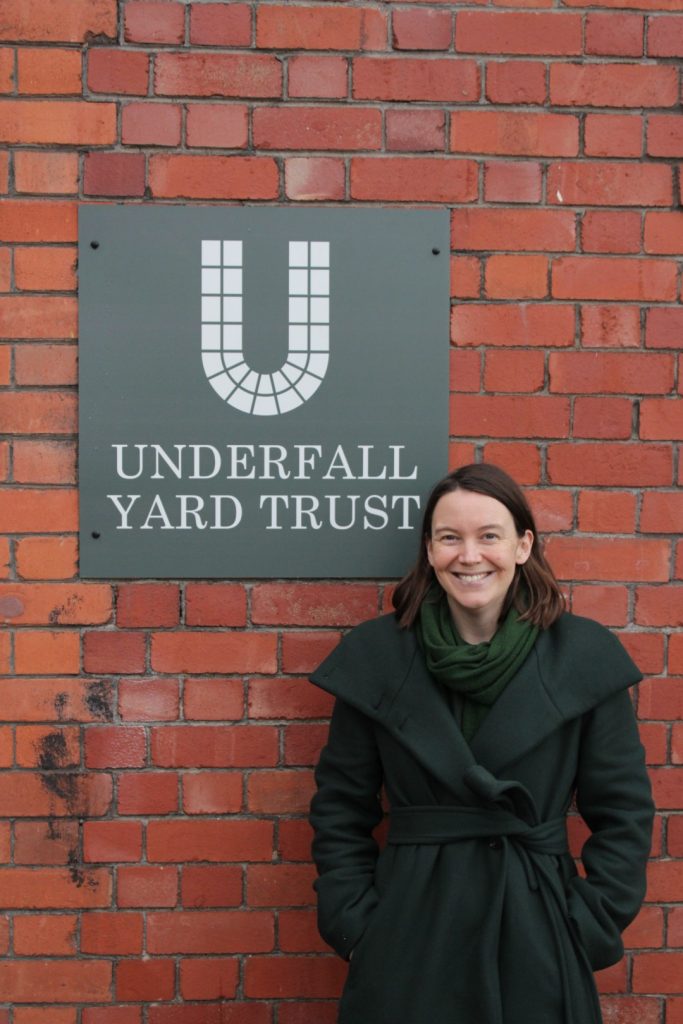
Sarah Murray, Director of Underfall Yard, says: “Hosting Young Sherlock was a resoundingly positive experience for us, primarily because our lost income stream for the year was almost directly replaced by income from filming hire. Not only that, it was really fun for the team! Witnessing the Yard dressed to look completely different, with horses and cows brought in, was really exciting and gave a rare insight into the creativity that goes on behind-the-scenes. Walking onto a film set every day, seeing things most people don’t get to see, like getting to watch while the special effects were tested, made for an eye-opening experience.
“Hosting the shoot brought other benefits too, from practical measures like 24-hour site security, to added exposure which is invaluable when running a heritage site like this. We were able to share the Yard’s story with hundreds of people working here each day across different departments, many of whom hadn’t visited before. We’re grateful to the incredible Location Managers who were closely connected with residents nearby and made every effort to minimise disruption, even making a donation to the local community group.
“Becoming a filming location is quite a whirlwind – the film company turns up and within days have completely transformed your surroundings, but by the time they leave, everything has been put back to how it was. It made us realise how well placed we are to host this type of spectacular shoot, and we’re excited to explore the screen tourism potential of being an official Young Sherlock location now the show is being released.”
About Young Sherlock
With all the wit and charm of Guy Ritchie’s Sherlock Holmes features, Young Sherlock is an irreverent, action-packed origin story of Sir Arthur Conan Doyle’s beloved detective in an explosive re-imagining of this iconic character.
When a charismatic, youthfully defiant Sherlock Holmes (Hero Fiennes Tiffin) meets none other than James Moriarty (Dónal Finn), he finds himself dragged into a murder investigation at Oxford University that threatens his liberty. Sherlock’s first ever case unravels a globe-trotting conspiracy, leading to an explosive showdown that alters the course of his life forever. Unfolding in a vibrant Victorian England and adventuring abroad, the series will expose the early antics of the anarchic adolescent who is yet to evolve into Baker Street’s most renowned resident.
Other cast includes Zine Tseng (3 Body Problem), Joseph Fiennes (The Handmaid’s Tale), Natascha McElhone (Halo), Max Irons (Condor) and Colin Firth (The King’s Speech). Guy Ritchie directs the first two episodes and executive produces.
Young Sherlock is created for television and executive produced by showrunner Matthew Parkhill with executive producers Dhana Rivera Gilbert, Marc Resteghini, Simon Maxwell, Ivan Atkinson, Simon Kelton, Colin Wilson, and co-executive producers Harriet Creelman and Steve Thompson. Motive Pictures led physical production for Young Sherlock.
In addition to Bristol, South West filming also took place in nearby Somerset with Film Office support. Production was based in Wales and locations further afield included Oxford, London and Spain.
Young Sherlock is now available to stream on Prime Video.
A new podcast series, Nothing, Something Nothing, has launched from Nine Tree Studios, Bristol.
The series explores how people approach creativity, are inspired, and develop their creative practice.
It’s about the creative moments you didn’t know you missed. It’s about the space between ideas, and the highs and lows that shape creative work.
It’s sector-agnostic with some high-calibre guests from the worlds of music, food, art, business and design.
Season 1’s guests include Lee Kiernan (Guitarist, IDLES), Calum Franklin (Restaurateur, Harrods), and Alex Rodrigues (Producer/Director, Channel 4).
And – as a Bristol Creative Industries exclusive – the podcast will also be dropping an episode with Mike Bailey (Actor/Teacher), known for his role as Sid in Skins.
New episodes drop every Wednesday on your favourite platform; visit www.nsnpodcast.com to listen and subscribe on Spotify, Apple Podcasts, and YouTube, as well as on social.
The podcast has launched from production company JonesMillbank and Nine Tree Studios, with recording currently taking place in Bristol.
***
JonesMillbank are a full-service production company based at Nine Tree Studios, their 10,000sq ft film studio.
Producing branded content, TV ads and social content their clients include local, global and household brands such as Dyson, Freixenet, DHL, Oxfam, Pukka and Vax.
jonesmillbank.com
01173706372
[email protected]
Discover Bristol’s animation agencies that can transform your ideas into stunning visual stories and elevate your creative vision to new heights.
In the dynamic world of digital media, animation has emerged as a powerful tool to convey stories, ideas, and messages in a visually captivating manner. From advertising to entertainment, the role of animation is undeniable. However, the success of an animated project heavily relies on choosing the right animation agency. The right agency not only brings technical expertise but also aligns with your creative vision, ensuring that the final product resonates with the target audience.
Selecting the appropriate animation agency can significantly impact the quality and effectiveness of your project. It’s not just about finding a team with the right skills; it’s about finding a team that understands your brand, your goals, and the story you want to tell. A good animation agency will take the time to understand your vision and provide insights that can enhance your concept further. They will work with you collaboratively, ensuring that every frame and every motion supports your overall objectives.
Moreover, working with an experienced animation agency can save you time and resources. These agencies bring a wealth of experience and a streamlined process to the table, which means they can anticipate potential challenges and address them proactively. This efficiency translates to a smoother project timeline and often, more cost-effective solutions. Hence, investing time in selecting the right animation agency is crucial for the success of your animated project.
When it comes to selecting an animation agency, several factors must be considered to ensure you make the right choice. First and foremost, look at the agency’s portfolio. This will give you a clear idea of their style, quality of work, and the types of projects they have handled in the past. A diverse portfolio indicates versatility and the ability to adapt to different creative visions.
Another critical criterion is the agency’s expertise and experience. An agency with years of experience in the industry is likely to have developed efficient workflows and a deep understanding of various animation techniques. Additionally, check for client testimonials and reviews. Positive feedback from previous clients can provide valuable insights into the agency’s reliability, professionalism, and ability to deliver results.
Communication and collaboration are also essential factors. The agency should be open to your ideas and provide constructive feedback. They should be able to communicate effectively, keeping you informed about the progress and any potential issues. Lastly, consider the budget and timeline. Ensure that the agency can deliver high-quality work within your budget and meet your deadlines. A transparent discussion about costs and timelines upfront can prevent misunderstandings later in the project.
Bristol boasts a vibrant and thriving animation industry, known for its creativity and innovation. The city is home to several renowned animation studios that have produced award-winning content for television, film, and digital platforms. The animation community in Bristol is close-knit yet diverse, with agencies specializing in various styles including 2D, 3D, stop-motion, and more. This diversity provides a rich pool of talent and resources for any animation project.
One of the standout features of Bristol’s animation industry is its strong ties to education and research institutions. The University of the West of England and other local colleges offer specialized courses in animation, producing a steady stream of skilled graduates who infuse fresh ideas and techniques into the industry. This academic collaboration ensures that Bristol remains at the forefront of animation innovation.
Furthermore, Bristol’s animation industry benefits from a supportive ecosystem that includes funding bodies, industry associations, and festivals. Events like the Bristol Festival of Animation provide a platform for local talent to showcase their work and network with industry professionals. This collaborative environment fosters creativity and encourages the sharing of knowledge and resources, making Bristol an ideal location for animation projects.
Bristol is home to several top-notch animation agencies, each bringing unique strengths and creative flair to the table. One of the most prominent names in the industry is Aardman Animations. Famous for its clay animation techniques, Aardman has produced iconic characters like Wallace and Gromit and Shaun the Sheep. Their work is a testament to the power of storytelling through animation, blending humor, emotion, and technical prowess to create memorable experiences.
Another notable agency is Spark Animation, known for its diverse range of animation services including 2D, 3D, and motion graphics. Their portfolio features work for high-profile clients like BBC, Aardman, and Cartoon Network. Sun & Moon Studios prides itself on its ability to deliver high-quality animation that aligns with the client’s vision and objectives. Their commitment to creativity and innovation makes them a go-to choice for many brands.
Rumpus Animation is another key player in Bristol’s animation scene. Specializing in character-driven content, Rumpus has created engaging animations for clients such as Disney, BBC, and Channel 4. Their work is characterized by unique character design, compelling storytelling, and a keen attention to detail. Rumpus Animation’s ability to bring characters to life in a way that resonates with audiences is one of their standout qualities.
Leading animation agencies in Bristol offer a comprehensive range of services designed to cater to different aspects of animation production. These services often start with concept development, where the agency works closely with the client to brainstorm ideas and create a clear vision for the project. This stage involves scriptwriting, storyboarding, and creating animatics to visualize the flow and timing of the animation.
Once the concept is finalized, agencies move on to the production phase, which includes character design, background creation, and animation. Depending on the project, this could involve 2D explainer animation, 3D modeling, or stop-motion techniques. Agencies like Aardman Animations are renowned for their expertise in stop-motion, while others like Sun & Moon Studios excel in 2D and 3D animation. The production phase is where the magic happens, as static images and models are brought to life with movement and expression.
Post-production services are equally important and include editing, sound design, and visual effects. This phase ensures that the final product is polished and ready for distribution. Leading animation agencies often have in-house teams for sound design and VFX, ensuring that every element of the animation is cohesive and high-quality. Additional services may include marketing and distribution support, helping clients to maximize the reach and impact of their animated content.
The success of Bristol’s animation agencies can be illustrated through several high-profile projects that have garnered critical acclaim and commercial success. Aardman Animations, for instance, achieved global recognition with its Wallace and Gromit series. The short films and feature-length movies have won multiple Academy Awards, showcasing the agency’s exceptional talent in storytelling and technical execution. The characters have become cultural icons, loved by audiences worldwide.
Sun & Moon Studios has also had its share of successful projects. One notable example is their work on the “Hey Duggee” series for CBeebies. This preschool animation has been praised for its vibrant visuals, engaging characters, and educational content. The series has won several awards, including a BAFTA, and has been broadcast in multiple countries, demonstrating Sun & Moon’s ability to create content that appeals to a global audience.
Rumpus Animation’s collaboration with Disney on the “Billy & Bam Bam” series is another testament to the quality of work produced by Bristol agencies. The show, aimed at young children, combines charming character design with humorous and educational storytelling. The success of the series highlights Rumpus Animation’s expertise in creating content that is both entertaining and informative, capturing the imaginations of young viewers.
The animation industry is constantly evolving, with new trends emerging that shape the way animated content is created and consumed. One significant trend is the increasing use of virtual reality (VR) and augmented reality (AR) in animation. These technologies offer immersive experiences, allowing viewers to interact with animated environments and characters in ways that were previously unimaginable. As VR and AR become more accessible, we can expect to see more innovative uses in animation projects.
Another trend is the growing demand for content on streaming platforms. With the rise of services like Netflix, Amazon Prime, and Disney+, there is a significant appetite for high-quality animated content. This shift has opened up new opportunities for animation studios to produce original series and films that cater to diverse audiences. The competition among streaming platforms also drives innovation, pushing studios to explore new styles and storytelling techniques.
Sustainability and eco-friendly practices are becoming increasingly important in the animation industry. Studios are exploring ways to reduce their environmental impact, from using digital tools to minimize paper waste to implementing energy-efficient production processes. This trend reflects a broader commitment to sustainability within the creative industries and is likely to influence how animation projects are produced in the future.
Effective collaboration with your chosen animation agency is crucial to the success of your project. Clear communication is the foundation of a strong working relationship. From the outset, ensure that both parties have a shared understanding of the project goals, timeline, and budget. Regular check-ins and updates can help keep the project on track and address any issues promptly.
Another key aspect of collaboration is being open to feedback and revisions. The animation process is iterative, and initial concepts may evolve as the project progresses. Trust the expertise of your agency and be willing to make adjustments based on their recommendations. At the same time, ensure that your vision and objectives are clearly communicated and considered in the decision-making process.
Finally, establish a collaborative workflow that leverages the strengths of both your team and the agency. Utilize project management tools and platforms that facilitate seamless communication and file sharing. Set clear milestones and deliverables to ensure that everyone is aligned and working towards the same goals. By fostering a collaborative and transparent working relationship, you can ensure that your project runs smoothly and achieves the desired outcome.
Choosing the right animation agency is a pivotal step in bringing your creative vision to life. The agencies in Bristol are renowned for their expertise, creativity, and ability to deliver high-quality animated content. By carefully selecting an agency that aligns with your goals and collaborating effectively, you can create animations that resonate with your audience and achieve your objectives.
Bristol’s vibrant animation industry is a testament to the city’s commitment to creativity and innovation. With a wealth of talent and resources, the city’s top animation agencies are well-equipped to handle projects of any scale and complexity. Whether you’re looking to create a short film, a commercial, or an educational series, Bristol’s video agencies can turn your ideas into stunning visual stories.
As the animation industry continues to evolve, staying abreast of the latest trends and technologies will ensure that your projects remain relevant and impactful. By partnering with a forward-thinking agency, you can harness the power of animation to captivate your audience and elevate your brand. Embrace the possibilities that animation offers and watch your creative vision come to life.
Looking to elevate your live event’s impact? Discover expert tips for filming and streaming that will maximize engagement and captivate your audience!
Engagement is the lifeblood of any successful live event. It’s what transforms a passive audience into an active community. When people feel involved, they’re more likely to stay longer, interact with your content, and spread the word about your event. Increased engagement can lead to higher retention rates, more meaningful interactions, and ultimately, a more memorable experience for everyone involved. This is particularly crucial in today’s digital age, where distractions are plentiful and attention spans are short.
Moreover, engagement helps to build a sense of belonging among your audience. When participants feel like they are part of a community, they are more likely to participate actively and contribute to the overall atmosphere of the event. This sense of community can lead to the formation of long-term relationships and a loyal following, which can be invaluable for future events and initiatives. By prioritizing engagement, you are not only enhancing the immediate experience but also laying the groundwork for sustained interest and involvement.
Finally, high levels of engagement can provide you with valuable feedback and insights. When your audience is actively participating, you have a real-time gauge of what’s resonating and what’s not. This immediate feedback loop allows you to make on-the-fly adjustments to your content or delivery, ensuring that you are meeting the needs and expectations of your audience. In the long run, these insights can inform future event planning and execution, leading to continual improvement and greater success.
To achieve high levels of engagement, you need the right tools for the job. The cornerstone of any live event filming setup is a high-quality camera. While smartphones have come a long way, a dedicated camera with professional features can make a significant difference in the quality of your footage. Look for cameras that offer high resolution, excellent low-light performance, and robust connectivity options. These features will ensure that your footage is clear, vibrant, and easy to stream.
Audio quality is just as important as video quality. Poor audio can be a major turn-off for viewers, no matter how stunning your visuals are. Invest in high-quality microphones that can capture clear, crisp audio. Depending on the nature of your event, you may need a combination of lapel mics, boom mics, and handheld mics. Additionally, consider using a sound mixer to balance the audio levels and ensure that all voices are heard clearly.
Lighting is another critical component that can significantly impact the overall quality of your live stream. Proper lighting can enhance the visual appeal of your footage and ensure that your subjects are well-lit and easily visible. Invest in a good set of lights, including key lights, fill lights, and backlights, to create a balanced and professional-looking setup. Don’t forget to consider the color temperature of your lights to ensure a natural and consistent look.
Effective pre-event planning is essential for a successful live event. Start by defining your goals and objectives. What do you want to achieve with your live event? Are you looking to educate, entertain, or inspire your audience? Having clear goals will help you make informed decisions about the content, format, and structure of your event.
Once your goals are defined, create a detailed event plan. This should include a timeline, a list of tasks, and assigned responsibilities. Make sure to account for all aspects of the event, from technical setup and content creation to marketing and audience engagement. A well-thought-out plan will help you stay organized and ensure that all team members are on the same page.
Rehearsals are a crucial part of pre-event planning. Conduct multiple dry runs to identify and address any potential issues before the event goes live. This will give you the opportunity to test your equipment, practice your content, and fine-tune your delivery. Rehearsals also provide a chance to familiarize yourself with the streaming platform and ensure that all technical aspects are working smoothly.
When it comes to live streaming, preparation is key. Start by choosing the right platform for your event. Different platforms offer different features, so it’s important to select one that aligns with your goals and audience preferences. Popular options include YouTube Live, Facebook Live, and Twitch, each offering unique tools for engagement and interaction.
Ensure that your internet connection is robust and reliable. A poor connection can lead to buffering, lag, and other issues that can disrupt the viewing experience. Conduct a speed test before the event to ensure that your upload speed is sufficient for high-quality streaming. If possible, use a wired connection instead of Wi-Fi to minimize the risk of connectivity issues.
Engage with your audience throughout the live stream. Encourage viewers to comment, ask questions, and share their thoughts. Respond to comments in real-time to create a sense of interaction and community. Use features like polls, Q&A sessions, and live chats to keep the audience engaged and involved. The more interactive your live stream is, the more likely viewers are to stay engaged and participate actively.
Interactive elements can significantly enhance audience engagement during a live event. One effective technique is to incorporate live polls and surveys. These tools allow you to gather real-time feedback from your audience and make them feel involved in the event. You can use polls to gauge opinions, test knowledge, or simply add a fun element to your content.
Another powerful technique is to host Q&A sessions. Allow your audience to submit questions throughout the event and take the time to address them live. This not only provides valuable information to your viewers but also makes them feel heard and valued. Consider dedicating specific segments of your event to Q&A sessions to ensure that you have enough time to address a variety of questions.
Gamification is another effective way to boost interaction. Integrate quizzes, challenges, and competitions into your event to keep the audience engaged and entertained. Offer small rewards or recognition to participants to encourage active participation. Gamification not only adds an element of fun but also fosters a sense of community and connection among your audience.
The end of your live event doesn’t mean the end of engagement. Post-event strategies are crucial for maintaining the momentum and keeping your audience interested. Start by sending out a thank-you message to all participants. Express your gratitude for their participation and provide a summary of the event’s highlights. This small gesture can go a long way in building goodwill and encouraging future participation.
Share recordings of the event on your social media channels and website. This allows those who missed the live event to catch up and provides an opportunity for attendees to revisit their favorite moments. Use snippets and highlights to tease the content and attract new viewers. Encourage your audience to share these recordings with their networks to extend the reach of your event.
Solicit feedback from your audience to understand what worked well and what could be improved. Use surveys, polls, and social media comments to gather insights. This feedback is invaluable for planning future events and ensuring that you continue to meet the needs and expectations of your audience. By actively seeking and responding to feedback, you demonstrate that you value your audience’s input and are committed to continuous improvement.
Data analysis is a powerful tool for understanding the success of your live event and identifying areas for improvement. Start by reviewing key metrics such as viewership numbers, engagement rates, and audience demographics. These metrics can provide insights into how well your event resonated with your target audience and where you might need to make adjustments.
Pay close attention to engagement metrics, such as comments, shares, and likes. These indicators can provide a deeper understanding of how actively your audience participated in the event. Identify patterns and trends to understand what types of content or segments generated the most interaction. Use this information to inform your content strategy for future events.
Don’t overlook qualitative data, such as audience feedback and comments. This information can provide valuable context and insights that quantitative metrics might miss. Analyze feedback to identify common themes and areas for improvement. Use this information to make data-driven decisions and continuously refine your approach.
Examining successful case studies can provide valuable insights and inspiration for your own live events. One such example is the annual Apple product launches. These events are highly anticipated and attract millions of viewers worldwide. Apple’s success can be attributed to their meticulous planning, high production quality, and effective use of interactive elements. They engage their audience with live demos, Q&A sessions, and behind-the-scenes content, creating a sense of excitement and anticipation.
Another notable example is the TEDx series. These independently organized events have become a global phenomenon, thanks in part to their emphasis on high-quality filming and streaming. TEDx events prioritize clear, concise content and use professional filming techniques to ensure that the viewer’s experience is as engaging as possible. They also leverage social media to extend the reach of their content and foster a sense of community among their audience.
The esports industry also offers valuable lessons in live event engagement. Major tournaments, such as The International and League of Legends World Championship, attract millions of viewers and generate significant interaction. These events utilize advanced streaming technology, interactive features, and engaging commentators to create an immersive experience. They also foster a strong sense of community among fans, encouraging active participation and long-term engagement.
In conclusion, maximizing engagement in live event filming and streaming requires a strategic approach and a commitment to quality. From pre-event planning and essential equipment to best practices for streaming and techniques for audience interaction, every aspect plays a crucial role in creating a memorable and engaging experience. By prioritizing engagement and leveraging the right tools and strategies, you can elevate your live event experience and leave a lasting impression on your audience.
Remember, the success of your live event doesn’t end when the stream goes offline. Post-event strategies, data analysis, and continuous improvement are key to maintaining momentum and ensuring that each event is better than the last. By learning from successful case studies and adapting their best practices to your own context, you can create a dynamic and engaging live event that resonates with your audience and achieves your goals.
So, whether you’re planning a small community gathering or a large-scale conference, these tips and strategies can help you maximize engagement and create a live event that stands out. Invest in the right equipment, plan meticulously, and prioritize audience interaction to make your event a success. With the right approach, you can transform your live event into an unforgettable experience that captivates and engages your audience.
Discover the vibrant film production opportunities in Gloucestershire, where stunning landscapes and rich history meet creative potential for filmmakers.
Gloucestershire, with its rich tapestry of history, has long been a cherished setting for filmmakers. The region, known for its breathtaking landscapes and historical architecture, provides a timeless quality that has been harnessed by numerous film directors. From ancient ruins to medieval castles, the historical significance of Gloucestershire adds an authentic backdrop to period dramas and historical epics alike.
One cannot discuss Gloucestershire’s cinematic contributions without mentioning the iconic Gloucester Cathedral. This stunning structure, with its Gothic architecture and intricate details, has been a central filming location for several blockbuster films. The cathedral’s cloisters were famously transformed into the corridors of Hogwarts School of Witchcraft and Wizardry in the Harry Potter series, adding an air of enchantment and timelessness to the films. Beyond its magical allure, Gloucester Cathedral also featured in “The Hollow Crown” and “Doctor Who,” further cementing its status as a versatile filming location.
Moreover, the region’s historical villages and estates have been used to depict various eras in film history. Painswick, often referred to as the “Queen of the Cotswolds,” and the grand Berkeley Castle have appeared in numerous productions, providing an authentic glimpse into England’s storied past. These locations not only enhance the visual appeal of films but also offer filmmakers the possibility to recreate historical narratives with unparalleled accuracy.
When it comes to key filming locations, Gloucestershire is a treasure trove of diversity, offering filmmakers a plethora of options. The Cotswolds, with its rolling hills and quaint stone villages, is a perennial favorite. The picturesque town of Bibury, with its iconic Arlington Row, has been featured in films like “Stardust” and “Bridget Jones’s Diary,” providing a charming and idyllic setting.
The Forest of Dean is another standout location, providing a lush and mysterious backdrop that has been utilized in various fantasy and adventure films. Its dense woodlands and serene lakes make it an ideal setting for creating atmospheric and immersive scenes. The forest’s natural beauty was prominently featured in “Harry Potter and the Deathly Hallows” and “Star Wars: The Force Awakens,” showcasing its versatility and appeal.
Beyond its natural beauty, Gloucestershire also boasts impressive urban settings. The historic city of Gloucester, with its well-preserved medieval and Tudor architecture, offers a unique blend of old-world charm and modern amenities. The Docks area, with its Victorian warehouses and waterfront views, has been revitalized and often serves as a bustling backdrop for contemporary films and television series. Together, these diverse locations offer filmmakers an array of choices to suit any narrative requirement.
Gloucestershire is not only rich in filming locations but also equipped with top-tier video production companies in Gloucester and resources to support filmmakers. The region is home to several state-of-the-art studios that provide comprehensive services for film and television production. These facilities are designed to meet the needs of both large-scale productions and independent filmmakers, ensuring that creative visions can be realized efficiently and effectively.
One notable facility is the Bottle Yard Studios, located just a short drive from Gloucestershire. This expansive studio complex offers a range of sound stages, production offices, and workshop spaces, making it a one-stop destination for all production needs. The studios have hosted numerous high-profile productions, including “Poldark” and “Wolf Hall,” demonstrating their capability to handle projects of varying scales.
In addition to studio facilities, Gloucestershire also boasts a wealth of local vendors and service providers that cater to the film industry. From equipment rental companies to post-production houses, filmmakers can find everything they need to bring their projects to life. The region’s supportive infrastructure ensures that production processes run smoothly from pre-production to post-production, making Gloucestershire an attractive destination for filmmakers.
One of the key advantages of filming in Gloucestershire is the availability of local film incentives and funding opportunities. The region offers a range of financial incentives designed to attract filmmakers and support the growth of the local film industry. These incentives not only help reduce production costs but also encourage filmmakers to explore and utilize the diverse locations that Gloucestershire has to offer.
The Gloucestershire Film Office plays a pivotal role in providing support and resources to filmmakers. They offer guidance on available funding opportunities, including grants and tax relief programs. The British Film Institute (BFI) also provides funding for film projects, with several grants specifically aimed at supporting regional productions. Filmmakers can apply for these grants to help cover various aspects of production, from development to distribution.
In addition to financial incentives, local councils and organizations often collaborate with filmmakers to provide logistical support and facilitate filming permissions. This collaborative approach ensures that filmmakers can navigate the regulatory landscape with ease, allowing them to focus on their creative endeavors. The combination of financial and logistical support makes Gloucestershire an enticing option for filmmakers looking to maximize their budgets and resources.
Gloucestershire is home to a thriving community of talented individuals who contribute significantly to the film industry. From actors and directors to technicians and craftsmen, the region boasts a diverse pool of skilled professionals who bring their expertise to film productions. Collaborating with local talent not only enhances the authenticity of a film but also fosters a sense of community and support within the industry.
Local casting agencies and talent agencies play a crucial role in connecting filmmakers with actors and performers. These agencies have extensive databases of local talent, ensuring that filmmakers can find the right individuals to bring their characters to life. Additionally, Gloucestershire is home to several drama schools and acting workshops, which nurture the next generation of performers and provide filmmakers with access to emerging talent.
The region also has a robust network of skilled crew members who specialize in various aspects of film production. From cinematographers and sound engineers to set designers and makeup artists, Gloucestershire’s film community is well-equipped to handle the technical demands of any production. This wealth of local expertise ensures that filmmakers have access to top-tier professionals who can contribute to the success of their projects.
Several successful films have been shot in Gloucestershire, showcasing the region’s versatility and appeal as a filming location. One notable example is the aforementioned “Harry Potter” series, which utilized Gloucester Cathedral to represent the magical corridors of Hogwarts. The cathedral’s stunning architecture provided the perfect backdrop for scenes of enchantment and wonder, captivating audiences worldwide.
Another successful production is the historical drama “Wolf Hall,” which was filmed at various locations in Gloucestershire, including Berkeley Castle and Chavenage House. These locations were chosen for their historical authenticity, allowing the series to vividly depict the tumultuous era of Henry VIII’s reign. The meticulous attention to detail in the set design and location selection contributed to the series’ critical acclaim and success.
The fantasy film “Stardust,” directed by Matthew Vaughn, also utilized the picturesque village of Castle Combe in the Cotswolds. The village’s charming and timeless appearance provided the ideal setting for the film’s whimsical narrative. The success of these films highlights the unique qualities of Gloucestershire as a filming destination and demonstrates the region’s ability to enhance a wide range of genres.
Networking is an essential aspect of the film industry, and Gloucestershire offers ample opportunities for filmmakers to connect and collaborate. The region hosts several film festivals and industry events that bring together professionals from various facets of the film world. These events provide a platform for filmmakers to showcase their work, exchange ideas, and forge meaningful connections.
The Cheltenham International Film Festival is one such event that attracts filmmakers, critics, and enthusiasts from around the world. The festival features screenings of independent and international films, panel discussions, and workshops, creating a vibrant and dynamic environment for networking. Filmmakers can gain valuable insights, receive feedback on their work, and explore potential collaborations with industry peers.
In addition to film festivals, Gloucestershire also has several film societies and community groups that foster a sense of camaraderie among filmmakers. These groups often organize regular meetups, screenings, and networking events, providing a supportive space for filmmakers to share their experiences and learn from one another. The collaborative spirit within the Gloucestershire film community is a testament to the region’s commitment to nurturing and promoting local talent.
While Gloucestershire offers numerous advantages for filmmakers, it is important to acknowledge and navigate the challenges that come with filming in the region. One of the primary considerations is the weather, which can be unpredictable and may impact filming schedules. Filmmakers must be prepared to adapt to changing conditions and have contingency plans in place to ensure that production remains on track.
Another consideration is the availability of locations and resources during peak tourist seasons. Some of Gloucestershire’s most popular filming locations, such as the Cotswolds and Gloucester Cathedral, also attract a significant number of tourists. Filmmakers must carefully plan their schedules and coordinate with local authorities to minimize disruptions and ensure a smooth filming process.
Additionally, filmmakers may need to navigate logistical challenges related to transportation and accommodation, especially for larger productions. While Gloucestershire offers a range of facilities and services, coordinating the movement of cast, crew, and equipment requires meticulous planning. Engaging with local production companies and service providers can help filmmakers overcome these challenges and ensure a seamless production experience.
The future of film production in Gloucestershire looks incredibly promising, with the region continuing to attract filmmakers from around the world. The combination of historical significance, diverse locations, top-tier facilities, and local talent makes Gloucestershire an ideal destination for film production. As the industry evolves, Gloucestershire’s commitment to supporting filmmakers through incentives, funding opportunities, and networking events will play a crucial role in shaping its future.
The region’s ability to adapt to the changing needs of the film industry, while preserving its unique charm and heritage, ensures that Gloucestershire will remain a sought-after location for years to come. The success of past productions, coupled with ongoing investments in infrastructure and talent development, positions Gloucestershire as a hub for creative expression and cinematic excellence.
For filmmakers seeking a destination that offers both aesthetic beauty and practical support, Gloucestershire stands out as a beacon of opportunity. The region’s vibrant film community, rich history, and unparalleled resources create an environment where creative visions can flourish. As Gloucestershire continues to embrace its role in the film industry, the future holds endless possibilities for filmmakers ready to explore and capture the magic of this remarkable region.
I got lost lost in this project. In a good way.
I was approached by Tom Abba of the University of the West of England in September 2025 with the working demo, and I was captivated from first listen…
🎹 What you hear below is the Kickstarter campaign introduction video to which I recorded Tom’s narration, wrote the score, sound design, mixed and mastered the track for headphone playback.
🎼 I also wrote the score to accompany the playable teaser, which you can try for yourself here: https://lnkd.in/eaY5_4ds
🎧 NOTE: Wear headphones to get the fully immersed experience 🎧
If you get into it as much as I did and would like to help build its creation, then you can do that here: https://lnkd.in/e6SiGx-r
Omni Productions has been appointed by AXA to develop a global, video-led workplace training programme to help organisations better support employees affected by domestic and sexual violence.
Built around drama-led films and expert interviews, Safe Spaces translates complex subject matter into accessible training for employees across multiple markets. Omni led the creative development from research and scripting through to production, shaping the narratives to be engaging, human-centred, and effective for global workplace training.
The programme builds on AXA’s long-standing ‘We Care’ initiative and its commitment to employee protection. Domestic and sexual violence affects millions of people each year, with the workplace often serving as a safe space outside the home. In England and Wales alone, an estimated 2.3 million people experience domestic violence and abuse annually, placing employers in a unique position to recognise warning signs and offer support.
The campaign is built around the Recognise, Respond, Refer (3R) framework, which underpins the films and learning content. Rather than focusing on awareness alone, the programme demonstrates what action looks like in real workplace situations to help employees recognise signs of abuse, respond appropriately and direct people to specialist support.
Omni’s role was to translate that ambition into a campaign that people would engage with. Working closely with AXA’s HR, inclusion and communications teams as a strategic partner, Omni’s brief was to turn a highly sensitive topic into training that is human, practical and ethically produced.
Video and drama-led storytelling was chosen to engage audiences emotionally, helping them understand lived experiences without sensationalism.
All stories, scripts, drama scenarios and supporting interviews were developed through an expert-led process. Omni worked alongside domestic abuse experts, NGOs and survivor-support organisations to ensure accuracy, cultural sensitivity and relevance to workplace contexts.
Sam Hearn, co-founder and managing director at Omni, said: “This type of work sits at the heart of what we do. Safe Spaces shows the power of human storytelling when addressing complex subjects such as domestic and sexual violence. Drama allows people to understand context and connect emotionally, which is essential for a subject like this. Each film was shaped in close collaboration with people with lived experience and sector specialists, whose insights were essential to keep the stories authentic.
As an agency, we aim to create work that truly matters, and our B Corp values guide how we approach sensitive topics to ensure they are both responsible and impactful. Partnering with AXA, we set out to create training that could genuinely change how people recognise and respond to abuse in the workplace.”
Safe Spaces is rolling out globally in phases, with content currently available in 11 languages and further versions in development. The assets integrate into local learning systems, allowing pledged organisations to deliver the training in ways that suit their workforce.
Early engagement on the Safe Spaces platform shows a strong impact, with high numbers of returning visitors. Safe Spaces has already been adopted by organisations beyond AXA, with further companies confirming participation, including L’Oreal, Accor, Engie, LVMH, Orange and Publicis France.
Kirsty Leivers, chief culture, inclusion and diversity officer at AXA, said: “Working with Omni on Safe Spaces has been a collaborative and creative process. From the outset, the team demonstrated a deep understanding of the sensitivity and importance of this subject, approaching every stage with empathy and creativity. The result is a powerful and accessible platform that supports our shared commitment to building more supportive workplaces.”
The project also highlights that human storytelling remains critical in an AI-first era. While automation is reshaping content production, Safe Spaces demonstrates how drama-led video allows employees to connect with real experiences to build empathy and the confidence to act.
Hearn added: “Although AI is changing how content is made, sensitive issues still need human insight and care. Safe Spaces shows how video can make complex topics tangible and actionable, even at a global scale.”
The programme is designed to evolve, with AXA and Omni exploring further developments across 2026, ensuring the training continues to deliver measurable impact across global workplaces.
Brand new Netflix mystery Agatha Christie’s Seven Dials is now available on Netflix, after filming at The Bottle Yard Studios and on location in Bristol and the West Country with Film Office support.
BAFTA Rising Star Mia McKenna-Bruce (How To Have Sex, Persuasion) leads the cast as Lady Eileen ‘Bundle’ Brent, a young, determined sleuth, joined by Helena Bonham Carter (One Life, Nolly) as Lady Caterham and Martin Freeman (The Responder and Black Panther) as Battle, in the fast-paced drama from the Queen Of Crime brought to life in a thrilling new version for Netflix. Set in 1925 England, it follows the fizzingly inquisitive ‘Bundle’ as she pieces together the clues behind a chilling conspiracy that threatens to upend her world.
Filming for the three-part limited series, which was penned by Broadchurch creator Chris Chibnall, took place at The Bottle Yard Studios and locations across Bristol and the West Country from June to September 2024, before moving to Spain for additional shooting. Around 175 cast and crew worked on the show per day during the UK leg of filming, an estimated 75% of which were local to the West of England region.
Under the oversight of Oscar-winning Production Designer Martin Childs (Shakespeare in Love, The Crown), bespoke sets were built in the Studio for key interiors including the ‘Seven Dials’ club.
Seven Dials Producer Joanna Crow says: “Having worked at The Bottle Yard on various productions over the past 15 years, I’m a huge fan of the services and spaces they offer, which suit the full range of productions from lower budget children’s TV to high end Band 3 drama, in my own experience. For Seven Dials, the studio operation was very flexible to suit our needs in terms of space, including much breakout space to suit varying demands, and the team were always a pleasure to deal with.
“Bristol, Bath and the wider region offer a rich and varied palette of landscapes and locations which Seven Dials is a great showcase for. We were ably supported by the local Film Offices and found 1925 London with no need to time-travel or to leave the South West. The Bottle Yard Studios and the West of England region is now a progressive and prestigious filming hub offering a very attractive package all round.”
Katherine Nash, The Bottle Yard’s Head of Studios says: “Hosting this major Netflix drama is a ringing endorsement for The Bottle Yard Studios and the locations support delivered across our region, by Bristol Film Office and neighbouring Film Offices across the West of England. We know that productions like Seven Dials helped generate an overall production spend of over £46m in Bristol last year, making them highly significant to our local production industry and the city’s wider economy. As well as creating employment for regional freelancers, the Seven Dials production team also helped bring forward new local talent by engaging fully with All Set West, helping bridge that step into the industry for the crew of tomorrow, which is fantastic to see.”
On location in Bristol, the series filmed extensively with Film Office support, adding a 1920’s period feel to a host of locations including Arnos Vale Cemetery, Queen Square, All Saints Lane and the Corn Street area surrounding St Nicholas Markets. Police station sets were created in the Corn Exchange offices located above St Nicholas Market, whilst on Bridewell Street, an “Old Scotland Yard” exterior was created, complete with vintage cars, extras in period costume and London street signs.
Filming also took place further afield across the West of England with support from neighbouring Film Offices. Locations included Abbey Green and Great Pulteney Street in Bath, West Somerset Railway’s Blue Anchor Station and Minehead in Somerset, Badminton House Estate in South Gloucestershire and Westonbirt Arboretum in Gloucestershire.
The production team was actively engaged with the BFI-funded All Set West scheme, offering paid work experience on set for three trainees across the Art, Script Supervisor and Sustainability departments. A larger group of trainees also had the chance to visit the set on location and meet with Producer Joanna Crow and other members of the crew.
Joanna adds: “Beyond the practical aspects, basing at The Bottle Yard gives so much more. Seven Dials was part of the pilot for their wonderful All Set West scheme, a trainee programme carefully designed and managed to give opportunities to those who aren’t always included. The scheme vets and trains its mentors and ensures at the start that its candidates have good representation in terms of ethnic diversity, neurodiversity, gender, disability, socio-economic background and other underrepresented areas. For many shows, including ours, it’s imperative to be inclusive in representation and this scheme makes it easy to do that – but with genuine candidates and genuine progress for the region.”
All Set West Trainee Jon-Luke Goodman (age 26 from Bristol), who undertook work experience in the Script Supervisor department, says: “Working in Film and TV felt unattainable to me before doing All Set West Training and there were so many barriers stopping me from being able to work in the industry, not even knowing where to start for one. The training gave me skills and confidence as well as contacts and now I feel really empowered to take on roles in this sector.”
From Broadchurch creator Chris Chibnall, Agatha Christie’s Seven Dials is written and executive produced by Chibnall, alongside Suzanne Mackie (The Crown) through her company Orchid Pictures and Chris Sussman (Good Omens). It is directed by Chris Sweeney (The Tourist, Back to Life) who also acts as Executive Producer, and produced by Joanna Crow (Supacell, Chloe).
A special RTS West of England preview of Agatha Christie’s Seven Dials took place at Watershed in Bristol on 14th January 2026, sponsored by The Bottle Yard Studios and Bristol Film Office. Following a screening of the first episode, there was a Q&A about the making of the series with Chris Chibnall (Executive Producer, Writer), Chris Sweeney (Executive Producer, Director), Suzanne Mackie (Executive Producer) and Joanna Crow (Producer).
Agatha Christie’s Seven Dials is available on Netflix now.
(Image courtesy Netflix)
You need to load content from reCAPTCHA to submit the form. Please note that doing so will share data with third-party providers.
More Information