The Director’s Cut Dilemma
I once pitched on a dream comedy advert for VW and didn’t win. It was ok, because I was up against my comedy hero Harold Einstein. If you’re going to lose, lose to the best.
The idea was in very safe comedy territory. For my pitch, I felt it was my duty to punch it up and make the humour work harder. I just knew I had to go big to take on Harold, I could only imagine what he was concocting.
It turns out that pushing the humour was my undoing, as the client was very resistant to my ‘wacky and slapstick’ suggestions (the heathens). To my surprise, Harold didn’t push the concept at all. His light touch enabled their idea and he was chosen to direct the ad.
The big question for me at the time: how would Harold bring his comedic genius to elevate a (sorry to say it) middling comedy concept?
The answer: he didn’t.
Despite the world-class directing talent and a huge budget, embracing safe territory placed hard limits on the ads’ creative potential. The end result was forgettable. It’s possible that some people like it, but what I know for sure: no one would watch Mr Einstein’s incredible portfolio of work and pick this as one of his best. Far from it.
Wouldn’t it be interesting to see a version of that VW ad that didn’t force the direction to stay within such safe territory? What if we could step into a parallel universe and see the film that could have been?
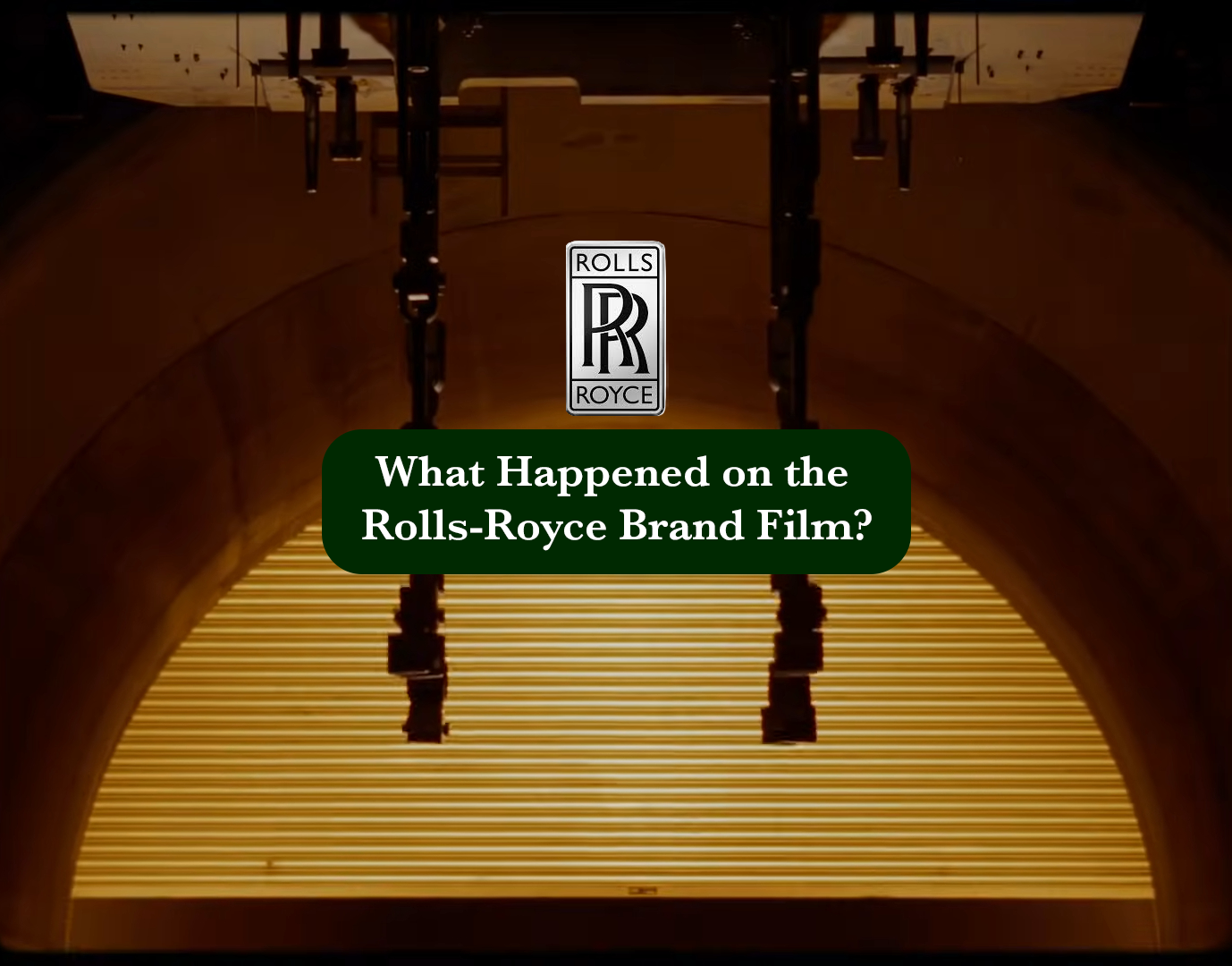
This is why the release of the Rolls-Royce brand film ‘Aerospace’ is so interesting.
Unusually, there are two distinctly different versions:
This is the client cut, the version of the film the brand wanted. While it isn’t bad by any means, I think it is fair to say this version is not going to feature on Frameset’s carefully curated Instagram page any time soon.
Putting it bluntly, the client cut pales in comparison. It’s safer, more ordinary, and the creative in me is in awe at the damage that has been done by the changes. Something so masterful has been reduced to serviceable – I gasped when I first saw it.
Director’s cuts of adverts are nothing new, they often extend the runtime, or include a few extra shots that the client version had no time for. A nudge towards a purer version maybe, but this was something else. The difference is staggering.
So, what happened here? I can only speculate, but what is clear is that the director and client couldn’t align on a single version. If you’re being charitable, maybe that’s fine. The client gets their version, the director gets their’s, everybody wins? To this I say, no. I don’t think it’s that simple.
I think sometimes a director can get a bit big for their boots. If you’re directing you have a job to do and Rolls-Royce had a brief. Part of that brief would have included messaging and a tone of voice that aligned with the core tenets of the brand. A black and white minimalist art film does not serve those purposes, no matter how good it is.
I also have to sympathise with a paying client, who must have realised at some point that the director they paid for is flaunting a wildly different alternate version of their film. That would sting wouldn’t it? It would make me wonder, which version of the film had their real focus and attention when I hired them to make it?
So, the director must always follow the brief? Well no, it’s not that simple either.
A director’s job is a delicate two hander: make a good film and collaborate with the client. It’s a careful balance, incorporating feedback and changes, managing expectations, choosing when to embrace suggestions and when to resist, whilst keeping the creative integrity intact.
The challenge is knowing when the client feedback crosses a line. A note that causes such creative harm that no ingenuity can stop it from making the film measurably worse. Remember part of the job is to make a good film? How do you do that if the powers that be are harming it? It becomes a paradox.
Were the changes you see in the client’s version a bridge too far for Gustafsson? The irreparable harm that forced him to abandon ship and embrace the freedom of a client-less edit? Or should he have stayed the course? Was it his duty to collaborate and compromise, embrace changes and win the client over with his vision? These kind of dilemmas present themselves on every kind of project with a creative/client relationship, there are no easy answers.
This all leaves me desperately curious… when did the divergence between the director and the client happen for Rolls-Royce? Was it a late creative decision to embrace a reskinned director’s cut after the project was finished? (I doubt it, based on how well-realised the director’s cut is). Or could the black and white version have made it all the way to final sign-off, only to be derailed with a last-minute client change of heart? I can imagine the email now, “it’s all a bit too dark, can we brighten things up a bit?” Perhaps from a key stakeholder weighing in far too late… If this was the case, I can only imagine the pain.
Is there a master director out there somewhere…? A legendary creative force who could have skilfully incorporated Rolls-Royce’s changes into the director’s cut without losing the magic? To create a third version that fulfils the Rolls-Royce brief and thrills the Frameset crowd? Ideally yes, but I think that’s a pretty tall order.
Like the mighty Harold Einstein working with VW, a director’s creative powers can only go so far.
by Sam Buchanan, Rabble Films

Rabble is an indie video production company run by troublemakers with 30 years of combined experience in advertising. We make big shiny commercials, scrappy social content, heartfelt charity films and funny shorts. We’re in our element making good stuff.
You need to load content from reCAPTCHA to submit the form. Please note that doing so will share data with third-party providers.
More Information