Missing the buzz of an office without actually wanting to be in an office? Craving a desk that isn’t also your kitchen table? Or maybe you’re already at a co-working space, but it’s giving very much… white box and bad lighting?
Come and find us.
Join Gather Round in Bristol (Brunswick Square, Cigar Factory) or Bath before 30th June and get your first month free, plus an automatic invite to our members’ party on 9th July!
Gather Round is a thriving creative community. Our members are designers, copywriters, and illustrators to developers, tech innovators, magazine publishers and even a cartographer in the mix.
They collaborate constantly, not because anyone told them to, but because that’s what happens when you put creative people in the same room. Connections turn into projects. Ideas turn into reality. And occasionally someone brings really good pastries.
Book a tour to see the space for yourself.
No hidden extras, no surprises. Every membership comes with:
Every month, we create proper reasons to get together: Family Breakfasts, Campfire Talks, group coaching, community sessions, yoga, and more. Community Sessions varied, fun and perfect for meeting new people: drink-and-draws, wine & cheese nights, summer picnics, tennis matches. This month we’re taking everyone to the pub, and the first round is on us!
All events are free for members across every package. And on top of that, members get discounts with local independents, including Pizzucci, Bosco, Soul Spa, and The British Blanket Company. It’s just one more way Gather Round sets itself apart from other coworking spaces.
Whether you’re freelance and flying solo or a small team ready for a proper base, we’ve got part-time, full-time, fixed desk and private studio options across Bristol and Bath. Come for a tour, have a cup of tea, and meet the people who might just become your favourite colleagues. Get involved, get in touch…
Terms and conditions apply, see full details below.
Terms & conditions:
I once pitched on a dream comedy advert for VW and didn’t win. It was ok, because I was up against my comedy hero Harold Einstein. If you’re going to lose, lose to the best.
The idea was in very safe comedy territory. For my pitch, I felt it was my duty to punch it up and make the humour work harder. I just knew I had to go big to take on Harold, I could only imagine what he was concocting.
It turns out that pushing the humour was my undoing, as the client was very resistant to my ‘wacky and slapstick’ suggestions (the heathens). To my surprise, Harold didn’t push the concept at all. His light touch enabled their idea and he was chosen to direct the ad.
The big question for me at the time: how would Harold bring his comedic genius to elevate a (sorry to say it) middling comedy concept?
The answer: he didn’t.
Despite the world-class directing talent and a huge budget, embracing safe territory placed hard limits on the ads’ creative potential. The end result was forgettable. It’s possible that some people like it, but what I know for sure: no one would watch Mr Einstein’s incredible portfolio of work and pick this as one of his best. Far from it.
Wouldn’t it be interesting to see a version of that VW ad that didn’t force the direction to stay within such safe territory? What if we could step into a parallel universe and see the film that could have been?
This is why the release of the Rolls-Royce brand film ‘Aerospace’ is so interesting.
Unusually, there are two distinctly different versions:
This is the client cut, the version of the film the brand wanted. While it isn’t bad by any means, I think it is fair to say this version is not going to feature on Frameset’s carefully curated Instagram page any time soon.
Putting it bluntly, the client cut pales in comparison. It’s safer, more ordinary, and the creative in me is in awe at the damage that has been done by the changes. Something so masterful has been reduced to serviceable – I gasped when I first saw it.
Director’s cuts of adverts are nothing new, they often extend the runtime, or include a few extra shots that the client version had no time for. A nudge towards a purer version maybe, but this was something else. The difference is staggering.
So, what happened here? I can only speculate, but what is clear is that the director and client couldn’t align on a single version. If you’re being charitable, maybe that’s fine. The client gets their version, the director gets their’s, everybody wins? To this I say, no. I don’t think it’s that simple.
I think sometimes a director can get a bit big for their boots. If you’re directing you have a job to do and Rolls-Royce had a brief. Part of that brief would have included messaging and a tone of voice that aligned with the core tenets of the brand. A black and white minimalist art film does not serve those purposes, no matter how good it is.
I also have to sympathise with a paying client, who must have realised at some point that the director they paid for is flaunting a wildly different alternate version of their film. That would sting wouldn’t it? It would make me wonder, which version of the film had their real focus and attention when I hired them to make it?
So, the director must always follow the brief? Well no, it’s not that simple either.
A director’s job is a delicate two hander: make a good film and collaborate with the client. It’s a careful balance, incorporating feedback and changes, managing expectations, choosing when to embrace suggestions and when to resist, whilst keeping the creative integrity intact.
The challenge is knowing when the client feedback crosses a line. A note that causes such creative harm that no ingenuity can stop it from making the film measurably worse. Remember part of the job is to make a good film? How do you do that if the powers that be are harming it? It becomes a paradox.
Were the changes you see in the client’s version a bridge too far for Gustafsson? The irreparable harm that forced him to abandon ship and embrace the freedom of a client-less edit? Or should he have stayed the course? Was it his duty to collaborate and compromise, embrace changes and win the client over with his vision? These kind of dilemmas present themselves on every kind of project with a creative/client relationship, there are no easy answers.
This all leaves me desperately curious… when did the divergence between the director and the client happen for Rolls-Royce? Was it a late creative decision to embrace a reskinned director’s cut after the project was finished? (I doubt it, based on how well-realised the director’s cut is). Or could the black and white version have made it all the way to final sign-off, only to be derailed with a last-minute client change of heart? I can imagine the email now, “it’s all a bit too dark, can we brighten things up a bit?” Perhaps from a key stakeholder weighing in far too late… If this was the case, I can only imagine the pain.
Is there a master director out there somewhere…? A legendary creative force who could have skilfully incorporated Rolls-Royce’s changes into the director’s cut without losing the magic? To create a third version that fulfils the Rolls-Royce brief and thrills the Frameset crowd? Ideally yes, but I think that’s a pretty tall order.
Like the mighty Harold Einstein working with VW, a director’s creative powers can only go so far.
by Sam Buchanan, Rabble Films
Arnolfini has announced a new strategic partnership with Bristol-based creative agency Fiasco, marking an ambitious new chapter for one of the UK’s leading institutions for contemporary arts.
The partnership comes at a pivotal time as Arnolfini embarks on a major transformation programme designed to strengthen its cultural impact and future growth ambitions.
The organisation has delivered a series of significant strategic and commercial milestones over the past year, including new hospitality partnerships, digital transformation initiatives, and sustainability improvements.
Fiasco’s appointment marks an important step in communicating Arnolfini’s renewed vision and strengthening its distinct position within Bristol’s and the UK’s contemporary arts landscape.
Known for its distinctive work across the cultural and creative sectors, Fiasco will develop a new visual identity for the iconic cultural institution. The identity will reflect Arnolfini’s ambitions to become more open, visible and connected to wider audiences, while celebrating the diversity and creativity of Bristol’s cultural scene.
Alongside a new visual identity, Arnolfini is preparing to launch a new membership scheme, develop a new website and ticketing platform, and reimagine key public spaces within the building ahead of hosting the British Art Show in 2027: the UK’s largest touring exhibition of contemporary visual art.
The partnership comes at a landmark moment for Arnolfini, as the organisation marks 50 years in its iconic harbourside home, Bush House, while looking ahead to its next phase of development. Membership growth and the delivery of more connected experiences across every touchpoint will be a key future focus.
Neil Commander, Chief Commercial Officer at Arnolfini: “Partnering with Fiasco marks an important moment in Arnolfini’s evolution as we shape the next chapter for the organisation and reaffirm our role within Bristol’s dynamic cultural landscape. From the outset, Ben and the team demonstrated a deep understanding not only of Arnolfini’s heritage and purpose, but of our place within the city’s wider creative ecology.
This work goes far beyond developing a new visual identity. It is about articulating who we are and where we are heading – strengthening connections with audiences locally and internationally, increasing visibility and access, and ensuring every experience of Arnolfini reflects the ambition, openness and relevance of our creative programme.
This partnership reflects our belief in the power of creativity and collaboration to drive cultural impact and represents an important step in building a more connected, resilient and future-focused Arnolfini.”
The appointment also marks a significant milestone for Fiasco. Co-founders Ben Steers and Jason Smith launched the agency from an incubator space in Bush House in 2010, making the opportunity to work with Arnolfini a notable full-circle moment.
Ben Steers, Co-founder & Executive Creative Director: “Arnolfini has always been a special place for us. Long before we started the agency, it was a space that made creative ambition feel possible — somewhere that connected us to a wider creative community and shaped our understanding of what culture and creativity could do.
To now partner with Arnolfini at such a pivotal moment in its evolution feels incredibly meaningful. It’s a cultural icon in Bristol, and one on the cusp of an exciting new chapter. There’s a natural alignment between our shared ambition, our belief in the power of creativity, and our deep connection to the city where this journey began for us. It’s a real privilege to be part of what comes next.”
As Bristol continues to evolve as one of the UK’s key creative hubs, this partnership offers an exciting opportunity to help shape a more visible, inclusive and connected future for the city’s cultural landscape.
Fiasco is a brand and digital agency blending strategy and creative craft to move businesses forward with feeling. Past clients include renowned cultural institutions such as Nederlander Theatres, National Trust, Channel 4, Good Energy, Pinewood and Vertical.
fiasco.design
Founded in 1961, Arnolfini is Bristol’s international centre for contemporary arts, presenting an ambitious programme of visual art, performance, dance, film and music. A pioneering public space for arts and learning, Arnolfini is committed to offering innovative, inclusive and engaging experiences for all.
arnolfini.org.uk
Our award-winning creative event series turns 10 this year, double figures! We can’t quite believe it.
When we started Gather Round Presents back in June 2024, we knew we had something good but it’s evolved into something truly special and that’s all down to you, the creative community, our followers and fans. Extending a heartfelt thank you to everyone who’s been involved over the past two years; to our speakers, audience, sponsors and team – you’re the bees.
So, with all that being said, it’s safe to say that we are extremely excited to announce our speaker line up for our tenth edition on Thursday 4th June: “Taste – How to Harness Your Creative Superpower”. Over the course of a couple of hours, our speakers will explore how, in a world saturated with content and repetition, having a distinct point of view is what cuts through the noise – and how learning to trust your own taste is what turns individuality into your greatest creative advantage. Coming from nine different viewpoints across the spectrum of the creative industries, our speakers are poised and ready with gems of knowledge that, hopefully, will inspire you far beyond the walls of our beloved Brunswick Square.
Sponsored by the wonderful people at Boardwalk – a lifestyle focused estate agency selling some of the most beautiful homes in Bristol. With an eye for thoughtful interiors and genuinely great design taste, they’re the go-to people for homes with character, style, and soul.
You can of course expect the usual, delicious free pizza from our good friends Pizzucci, a free raffle with some top notch prizes and this time there’s even a free beer from Boardwalk for the first 20 x people that get through the door.
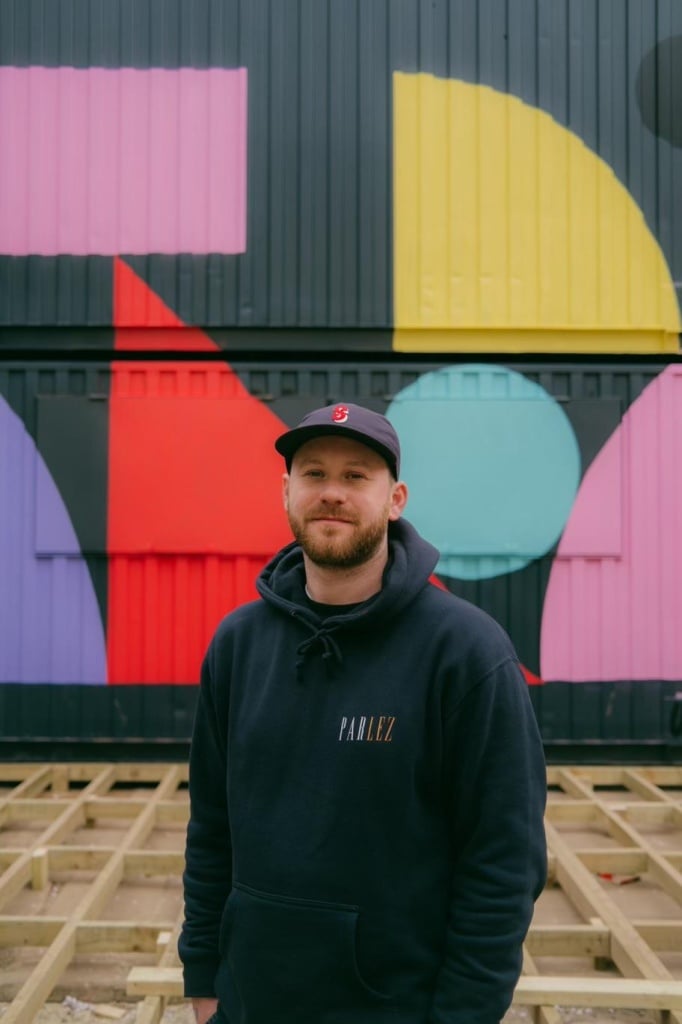
Tim is a multidisciplinary artist whose practice spans painting, print, and visual experimentation. Check out the amazing paint job on this VW Baja Bug!
When it comes to a truly distinctive visual identity, Penfold stands apart. From the streets of Bristol and Cambridge to cities across Europe and beyond, his work is instantly recognisable. One glimpse of a mural is enough – it’s unmistakably his. Defined by a bold, intuitive use of colour and an interest in layered compositions, Tim’s work strikes the balance between spontaneity and a deep understanding of material and process.
We can’t to hear him speak about his creative journey – how he’s developed his taste, refined his voice, and built such a striking identity over the past 20 years as a working artist.
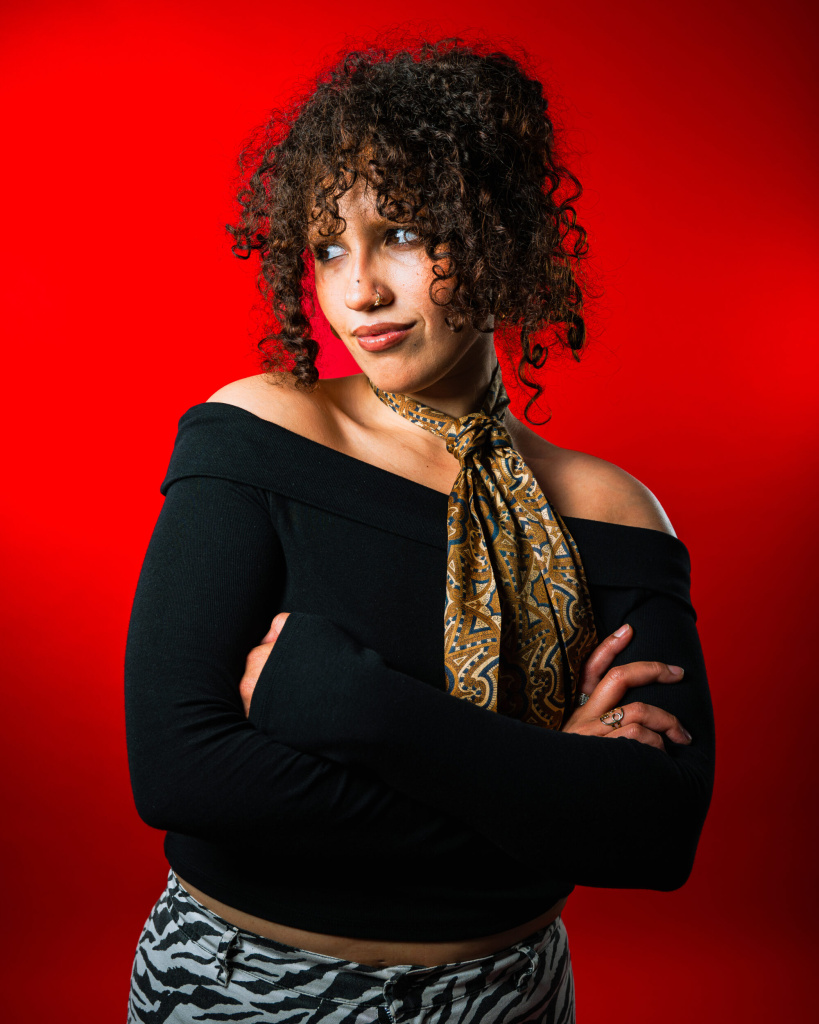
Beyond her life as a singer-songwriter, TJA brings her signature blend of soulful storytelling and quiet confidence to her role as co-host of The Library Podcast. Known for her genre-fluid approach to music, she carries that same curiosity into every episode, viewing each guest’s story as a unique composition.
For TJA, every conversation is an exploration of the human experience; introspective, experimental, and always deeply personal. Her professional life is a harmony of creative and strategic pursuits; balancing her own artistry with a career in sync music which has given her a grounded understanding of how a song moves from an intimate idea out into the world.
Driven by a commitment to her community, TJA is exploring her voice in new ways, expanding into presenting and industry panel talks, a new platform to share her journey and insights on ‘becoming’ in the creative arts. And the exploration doesn’t stop there – alongside her presenting exploits, TJA leads music production workshops for women, demystifying the technical side of the craft to empower female creators to take full ownership of their sound. Whether she’s behind the desk at The Library, navigating the publishing landscape or mentoring in the studio – her work is defined by the belief that every story deserves to be told with intention and soul.
As a Gather Round Presents supporter since day one, we’re incredibly excited to finally welcome Helen Liang onto the stage. A familiar face within Bristol’s creative community, Helen has spent years championing thoughtful collaboration, creative experimentation and meaningful innovation across a wide range of industries. Known for her ability to bring people together around complex ideas, she has built a reputation as both a strategic thinker and an energising facilitator – so naturally, expectations are high.
Helen works as a creative consultant specialising in insight and innovation, helping organisations and teams test, learn and grow through structured creativity. Her work sits at the intersection of strategy, research and facilitation, supporting people to navigate uncertainty, unlock new thinking and turn ambitious ideas into practical action. Whether she’s leading workshops, shaping innovation programmes or helping teams reframe difficult challenges, Helen thrives in what she describes as the “deep-middle”. The messy, often uncomfortable space where the most meaningful breakthroughs tend to happen.
For Helen, taste isn’t a fixed identity or polished endpoint – it’s something that develops through action, curiosity and a willingness to sit with discomfort. In her talk, she’ll explore the idea that building taste means embracing tension: between intuition and logic, confidence and uncertainty, structure and play. She sees taste as an evolving “state of doing” rather than something static. Expect insights into creative growth, collaborative thinking and why staying curious is so important.
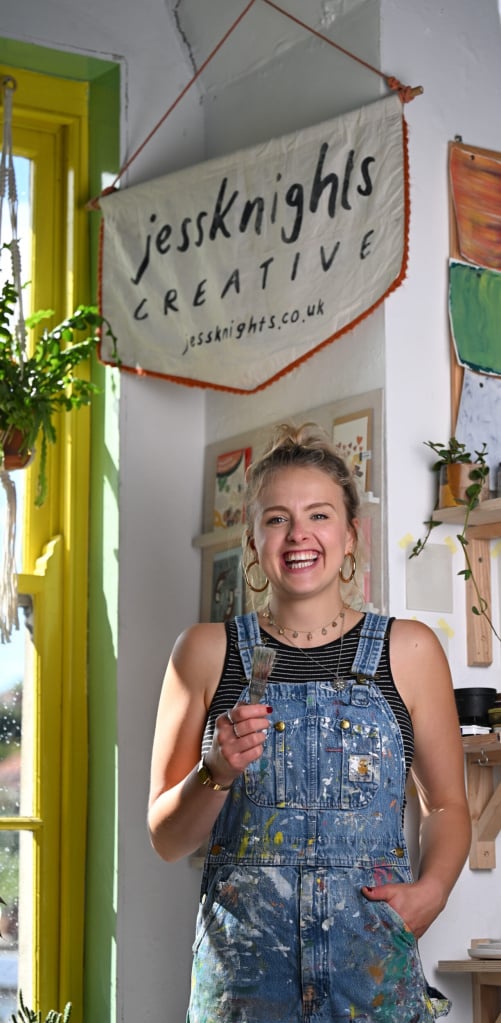
Jess is a Bristol-based illustrator and creative facilitator working across mixed media to create textured, playful and engaging visual work. Her practice combines paints, pens, pastels, collage and digital design to produce illustrations and murals that help organisations communicate ideas in a warm, accessible way. Much of Jess’s client work focuses on the health, social and environmental sectors, where she collaborates with charities, public organisations and community-focused brands to create visuals that connect people and ideas. Her clients and collaborators have included organisations such as Forestry England, Coeliac UK and community groups across Bristol.
Alongside her illustration practice, Jess runs creative workshops across Bristol designed to help people feel more confident, playful and expressive in their approach to making. Her workshops, including Drink & Draw sessions and seasonal illustration clubs, encourage people of all abilities to experiment. Jess regularly hosts workshops in independent venues across the city as well as facilitating private sessions for teams, community groups and organisations.
In her talk, Jess will explore the idea that taste isn’t something you suddenly “discover”, but something that develops gradually through curiosity, repetition and attention. Drawing from her own creative journey, she’ll discuss how personal taste is shaped by lived experience, visual references, experimentation and the things we instinctively keep coming back to.
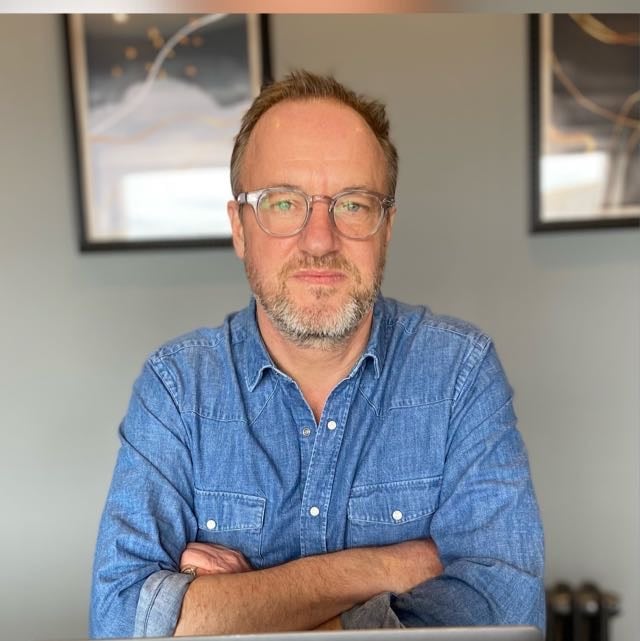
Fox has spent decades building brands across agencies, startups and global businesses. After launching his first ad agency at 27 and later founding a brand consultancy, he went on to spend 10 years helping grow Pukka into the globally recognised brand it is today, before joining Unilever as Global Creative and Digital Director across its tea brands! Big stuff!
Today, Fox runsArtichoke – a bespoke furniture and interiors company providing some of the most gorgeous hand-crafted pieces we’ve ever seen. On top of this, Fox also works as CMO forSt Eval. Across both roles, his work focuses on creativity, brand strategy and building meaningful connections between brands and people.
In his talk, Neil will reflect on how taste develops through experience, instinct and perspective – shaped by years of making creative decisions across very different environments. Expect thoughts on branding, creative growth and why, ultimately, the only currency that really matters is time.
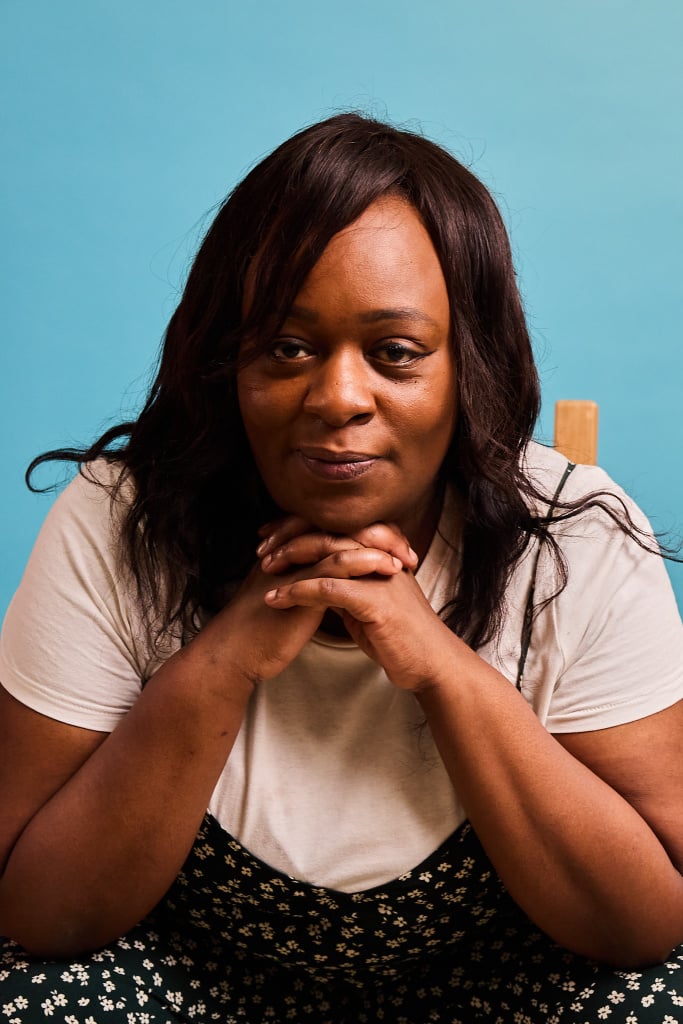
Rene Karen Katiisa is a Ugandan-born British actor, theatre-maker, creative director and cultural producer based in Bristol. A trained performer with a background spanning theatre, education and community work, Rene’s creative practice is rooted in storytelling, accessibility and lived experience. After studying at the BRIT School and graduating from the Central School of Speech and Drama, she performed with the National Youth Theatre and worked with organisations including Battersea Arts Centre, Frantic Assembly and Complicite collaborators, contributing to award-winning productions and large-scale creative projects.
Alongside her creative work, Rene spent 25 years working in the public sector, leading education and advocacy projects supporting children in care across Bristol. In recent years, she has returned fully to her artistic practice, developing theatre and interdisciplinary work exploring identity, disability, displacement, motherhood and belonging. Her recent projects include performances with Bristol Old Vic, contributions to the Decolonising Disability in the Arts residency, and presenting autobiographical work through the Culture Biz Incubator Programme and Diverse Artists Network Mini Diaspora Festival.
Seb is a photographer, director and filmmaker specialising in real human stories across music, food and fashion. Working across atmospheric portraiture, lifestyle campaigns and documentary projects, his work is rooted in storytelling – creating images and films that feel natural, thoughtful and emotionally grounded.
With a style that balances honesty and atmosphere, Seb’s projects often focus on capturing people, places and moments in a way that feels enduring rather than over-produced. Whether working on commercial campaigns or longer-form documentary work, his approach is shaped by curiosity, observation and a strong visual sensitivity to mood, connection and character.

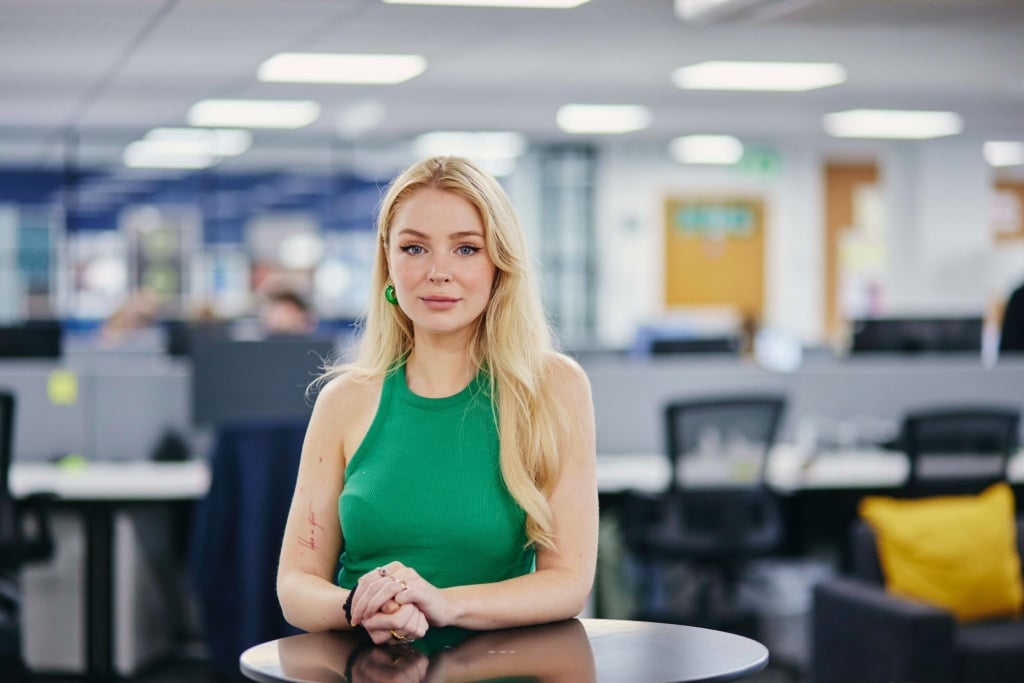
Sarah is Head of Copy at Mr B & Friends where she helps shape distinctive brands through strategy, language and creative thinking. A self-described “oddball”, she’s drawn to ideas that feel slightly unexpected, with a particular interest in the details, instincts and cultural references that make creative work feel memorable and human.
Over the course of her career, Sarah has become increasingly interested in the idea of cultivating taste – and how intuition, gut feeling and personal obsessions often play a bigger role in creativity than we like to admit. Her work explores how following curiosity, leaning into niche interests and trusting instinct can help create ideas that genuinely cut through.
Ross spent a decade helping transform a small London bike manufacturer into an internationally recognised lifestyle brand, working at the intersection of culture, design and brand growth. Now consulting with startups and businesses in transition, he brings experience shaped by working alongside brands and individuals who have each influenced taste in their own distinct way – including Palace, Freitag, Kenzo, LCD Soundsystem, David Millar and Tom Dixon.
In his talk, Ross will explore how taste shapes the way brands grow, the directions they take, and the cultural signals they choose to follow. Expect reflections on branding, influence and the strange ways our own tastes can evolve – or occasionally lead us completely astray.
Well, if that lineup hasn’t got you excited we don’t know what will.
Tickets will be released this week, so keep an eye out for an email from us inviting you to come along, for FREE. If you aren’t signed up to our newsletter yet, what are you waiting for? Sign up here to be the first to get your hands on a ticket.
Want to run your own event in our space? You’re in luck, as we have five amazing spaces for hire across Bristol and Bath. Get in touch with Hannah, our Events Manager, to find out more on pricing and availability.
You can also keep up to date with Gather Round by following us on instagram!
Building your first motion design portfolio can feel pretty overwhelming: should you play it safe, be radical, or stick somewhere in the middle? And what do you even include!?
Now, there’s a school of advice that tells you to be bold, expressive, and push the creative boundaries… But that can feel unhelpful, vague and, frankly, a bit intimidating.
Luckily, we’ve put together some more down-to-earth advice from people who’ve been in your situation and on the other side of the desk making the hiring decisions.
We’ll clue you in on what will stand out to prospective employers and none of it involves setting off fireworks or hiring a dance troupe (although if that’s your thing, don’t let us stop you)!
It might sound a bit over the top, but you need to start thinking of yourself as a bit of an entrepreneur. (I’m aware I’m sounding very tech bro here but stick with me…)
Start by asking yourself some key questions:
In simple terms, if you include a slick explainer video then you want your potential employer to look at it and go, “That’s what our clients need!” Because beyond being a brilliant creative, what it boils down to is employers envisioning a roster of happy clients willing to pay for lots of (your) work.
A real-world-ready portfolio is simpler to curate than you might think – it’s all about breaking it down into stages.
Showreels are a motion designer’s best weapon: you can show off a lot of work in one go. However, that doesn’t mean you should include everything you’ve ever made. Quality always trumps quantity here so only include the best scenes from your best work but consider whether your clips are demonstrating the complete range of your skills.
A good tip to help with this is to make sure you show off your editing and sound design skills. It can’t be stressed enough how much of a difference sound design can make. And the best part? So few people do it, so it’s an easy win that’ll really give you some edge!
Include any group projects if you have them, just make sure you’re clear on what your input was. A simple way to do this would be to add some small text in the corner while you’re showing clips from the project, for example: “Project XX -Illustration and animation” or “Project XX – editing”. Not only will this help prospective employers get a quick sense of your capability but also enforces your ability to work as part of a team.
And, as I was saying before, make sure to focus the work on those sellable skills: think explainer videos, motion for branding, video editing, 3D and so on.
If you’re still struggling on where to start, go onto the websites of the companies you’re applying to and look at their services. Does your work align with them and what they’re doing?
As much as I enjoy looking at finished motion graphics projects, unfortunately that’s barely 1% of a motion designer’s job. The other 99% is the process. Mood boards, sketches, storyboards, animatics, drafts etc are the job.
This is the section where the goal is to build trust with clients that you can actually do the job they’re hiring you to do. Like before, keep it concise and choose two or three projects that you can break down and explain how you got to the final outcome. Keep in mind these are also the projects they’ll most likely ask you about in your interview too.
The process behind our advert for Daikin’s sustainable network
This is also where you have the opportunity to tailor your portfolio. Do some research into the places you’re applying too, for example if it’s an agency, what services do they offer on their website? And if it’s a business, what sector do they work in? Then use this information to choose what work you show. Let’s say that creative agency focuses on branding, try to show some work that demonstrates you’ve got it covered, like logo animations, brand videos, or motion guidelines.
Whether or not you were confident enough to post yourself dancing on the internet back in lockdown and have grown a decent sized audience, leading with your social media accounts might not be the best idea in your portfolio.
If whoever is looking through your work clicks through to your profiles, you will have no control on what they look at. And that undermines all the careful work you’ve put in to crafting your application.
And let’s not forget when Instagram suddenly decided to change all posts to a different ratio (I don’t think many social media managers have still fully recovered from this). What I’m saying is, it’s not worth leaving how you show you work to platforms that can change overnight.
Now I’m not saying completely avoid AI altogether; to be honest a lot of companies will be looking for how you’re utilising it in your workflows.
Unsurprisingly, the recent School of Motion’s report, ‘The Motion Design Hiring Guide’, showed AI skills to be the fastest growing skillset employers ask for. And, far more interestingly, it came with an estimated~8-18% increase in wage.
In the creative industry, we’ve been working with AI for years (well before Will Smith attempted his first mouthful of spaghetti), so if you’re using AI in your final outcomes, we will be able to notice. And that includes in any supporting text too. Again, I’m not saying don’t use these tools, just be transparent when you are – and always avoid the press-a-single-button slop.
In short, treat your portfolio as your pitch. It’s not just a gallery of nice work; it’s proof of what you can offer. The clearer that is, the easier it is for someone to trust you and, ultimately, to hire you.
If you’d like to find out more about what we can do then take a look at our work or get in touch at [email protected].
Video is one of the most powerful communication tools. But it can be easily misunderstood and misused. All too often, organisations treat video as a single discipline. Something to add to the mix after the fact. Or just to make something because their competitors are… and they aren’t.
The result is a steady stream of content that looks polished but fails to deliver.
The reality is simpler and more demanding. Because video content is not one thing. Different styles and formats can be used for different purposes and effects. One video style may be better suited to what you’re trying to achieve than another.
It’s all just a collection of stylistic approaches and formats, each designed to do a different job, reach audiences in different contexts and perform at different stages of the decision‑making process.
Choosing correctly and executing it properly matters far more than volume.
In this guide, we break down the most common types of video content, explain where each works best, and provide an outline on how to produce them in a way that delivers real value.
Brand films are narrative‑led pieces designed to articulate what an organisation stands for, rather than what it sells. The best brand videos do this by creating an emotional connection.
A crystal clear tale of mission and vision. Emotional and narrative resonance, which can inspire as well as inform. At their worst, brand videos become a forceful sales pitch, or a sequence of albeit attractive images which say very little.
The strength of a brand film lies in its ability to simplify a complex proposition into a single, memorable idea or theme.
Becasue of this, great brand videos can be evergreen and multi-purpose. They can be used across websites, pitches, socials and internal communications. Creative and cinematic ambition can also greatly enhance the message.
John Lewis is renowned for its brand films. This one in particular, which celebrates the brand’s centenary, under the strap line of ‘Then New Always’ does a magnificent job in capturing the history and heritage of this quintessentially British brand one of the most striking and dynamic ways.
The downside is cost and time.
Brand films demand more planning with higher and more complex production values. This, naturally, comes with a cost uplift. The long and short of it, brand films are more expensive to make.
It also demands much more clarity of thought, which can take time. Turning the complex into something simple and visual requires careful forethought and creative clarity. Otherwise, you’ll end up with a rushed narrative that may look impressive, but will end up overwhelmingly unconvincing.
Successful brand films start with clarity. One core message drives every decision, from script to soundtrack. The language, whether that’s design or spoken, should serve the overall theme and idea, not overwhelm it.
Explainer videos exist to answer questions and explain things… the clue is in the title!
They are structured pieces designed to explain a product, service or concept in a way that reduces friction and answers questions quickly.
How you create these videos depends entirely on the question, or questions, that need to be addressed. Simple explainer videos can work well when they are presenter-led. More complex subjects, and you’ll find animation becomes a more viable format.
How to hang a door, a simple yet effective explainer video from B&Q. You couldn’t produce a video like this without having an actual person show you how to actually hang a door. That’s exactly what this video does. It’s presenter-led – in a manner of speaking – has a few visual effects and gimmicks to break up the shots, but it gets to the point in a simple manner.
Microsoft Teams, on the other hand, has more layers and levels of complexity to it. So Microsoft’s choice to animate its Teams explainer videos, like this one, makes perfect sense.
In examples such as Teams – and this can apply to any software explainer – you need to show the various interfaces, processes, and aspects of a platform in a way that hangs together in a coherent, informative way.
Their biggest strength is efficiency. A good explainer can do the work of multiple pages of copy, guiding viewers from problem to solution in a few minutes. For complex propositions, they are often essential.
The most effective explainer videos are written before visuals are considered. A clear narrative arc, focused on one problem and one solution, keeps the content tight. Visuals should support understanding rather than decorate the message.
The voice-over and scripts are also critical. Clarity and timing are everything. Language needs to be concise and to the point and it also needs to match what the viewer is seeing on screen.
Also, longer, more complex animation also comes with a cost. Great animation takes time and effort; it isn’t something that can or should be rushed.
But explainers are also easy to get wrong. They can often end up rushed and feeling aimless as a result. Scripts can become overladen with information that only adds confusion, rather than clarity. Or, when brands try to do animation fast and ‘on the cheap’ what they hope will enhance their brand actually ends up diminishing and damaging it.
Short‑form, platform‑native video is designed for feeds rather than websites.
These shorts often serve the purpose of attention-grabbing. They can even be used as hooks themselves into bigger pieces of hero content. We see this a lot now with podcasts. An episode will be teased as a social short, ending on a cliff hanger, designed specifically to make you tune into the whole episode.
But this isn’t an exclusive approach. Shorts can be fast, episodic and highly concentrated.
These kinds of content are typically under a minute, but some are longer. Nearly always vertical in format and judged within seconds. With shorts, the hook is everything. The first three seconds are when a viewer will decide if they stay or go. They’re meant for scrolling, not searching and the appeal here is speed and potential customers’ reach.
If you want to see a brilliant example of shorts in action, look no further than the Mathematician and science writer, Hannah Fry.
Fry makes entertaining, quirky and to-the-point shorts that really drive millions of views. Whether it’s on the topic of ‘Why is Ireland so rainy?’ ‘Cooling down a hot car, with science’ or ‘Why you should be nice to AI.
She has great hooks, an engaging and passionate delivery and gets to the point of the issue quickly. Everything a great short should be.
Shorts can be a fantastic way for brands to react quickly, test ideas and stay visible without the weight of heavy production cycles. Production-wise, shorts don’t need a cast and crew. They can be made with just a phone.
Interestingly, over‑produced videos often perform worse than simpler, more direct pieces, particularly when they feel like adverts rather than contributions.
When it works, it can drive remarkable engagement.
But the challenge is that attention is fragile. Social content is so oversaturated and most of it has a short shelf life, that it’s heavily influenced by algorithms in its immediacy. YouTube’s algorithm is particularly prone to this.
Strong social‑first video respects the context in which it appears. The point should arrive immediately, visuals need to work without sound and tone should align with how people already use the platform.
Don’t aim for perfection. Aim for consistency and relevance.
Testimonial and case study videos can be highly effective and persuasive formats, because they shift the voice from brand to customer. They demonstrate credibility through real experience, making them valuable tools for sales, procurement and trust‑building.
These aren’t brand awareness assets; they’re assets for conversion. These are the most likely assets to turn a potential customer into an actual one.
When done well, these videos feel authentic and grounded. They show actual outcomes and impact rather than promises and services. This allows audiences to see themselves reflected in someone else’s success, and it puts much-needed third-party validation into the mix.
The most effective testimonial videos are delivered by real people; your real customers, not hired actors. Supporting visuals are essential to avoid static interviews, and editing should prioritise honesty over perfection.
What they say should be genuine, not over-prescribed and forced. Because the risk to these kinds of videos is artificiality. Over‑scripted testimonials quickly lose credibility and not every client is comfortable on camera. There is also the practical challenge of scheduling, permissions and long‑term relevance.
Successful case study videos rely on conversation rather than explicit direction. Open questions produce more natural responses and focusing on results rather than features keeps the story compelling.
Educational and thought‑leadership videos are designed to inform, challenge and position organisations as credible voices in their field. These aren’t explainer videos -think longer forms pod and Vodcasts.
They’re longer form and work best with niche, professional audiences who value depth over brevity. This increased length gives the ‘presenter’ the chance to really go deep on a topic of choice.
Trust is the ultimate strength here. Over time, consistent video content builds authority and loyalty, particularly in B2B environments. This kind of content also repurposes well, feeding shorter clips, articles and social content. Longer content like this should always be designed with repurposing in mind.
Execution is critical. Clear structure keeps viewers engaged and audiences should never feel talked down to.
Production-wise, you can start small and build over time. You don’t need to have a huge setup and a big showy location right away. Focus on getting the format right in the early stages, then add more visual cues as you become more confident.
But right from the get-go, sound quality is crucial. If you don’t have crisp quality audio, then people are going to turn off pretty quickly. Investing in sound and lighting often matters more than visual complexity.
Maintaining quality and consistency can also be demanding. You need confident articulate presenters, interesting and equally articulate guests who can bring something to the conversation.
This is more like your traditional chat show than anything else. If you’re bringing in guests, then give them the time and space to communicate. Let them tell their stories, sit back, listen and don’t overpower.
Event and experiential video captures moments that are, by definition, temporary.
Whether documenting a conference, activation or live experience, the purpose is to extend the life and reach of something that happens either once or intermittently.
These videos can be highly effective at conveying atmosphere, scale and energy. The latter being particularly important. But the difficulty lies in control and artistic execution.
Events are unpredictable, time‑sensitive and often under‑planned from a content perspective. Without a clear brief, footage becomes unfocused and difficult to shape in the edit. So you need to have a clear picture of what you want to achieve.
Also, the ability to capture true emotion and energy is definitely a skill that not all videographers possess. Some can document an event; they’ll capture the comings and goings and it’ll be accurate, but emotionless.
Some can truly capture the heart and soul of an event or experience. A perfect medley of movement, music and subject matter that says more in 30 seconds than a 1,000 words ever could.
A great event video starts before the doors open. Define outputs in advance, identify and prioritise key moments, but don’t ignore what’s happening before your eyes if something special, but unplanned, is unfolding, grab it.
Speed matters too. Relevance drops quickly once an event has passed. So you need to be able to turn your assets around rapidly – ideally overnight to activate the next morning.
Last, but by no means least, we have behind-the-scenes (or BTS) content.
Behind‑the‑scenes and culture videos show the people and processes behind an organisation. They are most commonly used for employer branding, social channels and internal communications.
When done well, great BTS content can humanise brands, create transparency and require relatively low production overhead. They can be used to fuel hiring drives – painting a true, unvarnished picture of life within your organisation.
But the risks are two-fold.
Firstly, there’s self-indulgence. Not everything that feels interesting internally is relevant externally, and inconsistent tone can undermine credibility. Then there’s the risk of artificiality. Content that is prescribed to make your organisation look different, or better, than what it is in reality.
More than anything, this is cultural content. So it must be authentic – whether that’s a day in the life video of a member of staff, welcoming a new member of the team or saying goodbye to someone moving on – it always puts people first!
The most common mistake in video strategy is chasing formats rather than outcomes.
Different formats serve different purposes. Audience behaviour, platform context, budget and timelines all shape the decision-making process. The format is connected to all of these things, but is incidental.
The right question is not what should we make? But what are we trying to achieve?
Video works best when it is purposeful.
Success is rarely about producing more; it is about producing better content with clear intent, disciplined execution and respect for the audience.
For organisations willing to think strategically about format and craft, video remains one of the most effective ways to communicate with clarity and impact.
Tracking and analysing the performance of your video marketing efforts is crucial for understanding effectiveness and optimising strategies. This is yet another area where a trusted production partner can bring value to your organisation. If you opt to partner with a full-service production agency, they can do more than just make videos.
Video is not a single tool, but a collection of formats, each designed to do a specific job.
Brand films, animated explainers, shorts, reels, testimonials, vodcasts and other long-form content. They all serve different purposes, speak to different audiences and perform in very different ways.
Choosing the right format and executing it well is what separates content for the sake of content from actually creating something impactful and meaningful. Done thoughtfully, a video is one of the most powerful ways to communicate ideas, build trust and create lasting impact.
The most effective video strategies are built intent-first, rather than output-first.
This distinction matters because when organisations are clear about what they are trying to achieve, decisions around style, scale and production become far simpler. Then your content strategy becomes something that’s driven by value and insight rather than impulse.
One of the UK’s most influential city-led tech events has today announced its next chapter, relaunching in 2026 as Brazen: a reimagined festival of technology, creativity and culture designed to become a must-attend fixture on the national tech calendar.
Formerly known as Bristol Technology Festival and most recently BTF+, the event, of which Bristol Creative Industries is a founding partner, has evolved rapidly over the past six years, growing from a focused tech gathering into a city-wide movement that brings together founders, creatives, investors, policymakers and communities. Now, as Brazen, the festival is setting its sights firmly on the national and international stage.
Taking place across Bristol over five days in late 2026, Brazen will once again use the city itself as its venue, spanning institutions, neighbourhoods and grassroots spaces, bringing together big ideas, practical innovation and cultural moments in a single, interconnected programme.
Inspired by global festivals such as SXSW but rooted in the distinctive character of the South West, Brazen has been created to showcase Bristol as a place to build, experiment and collaborate, while forging meaningful connections between people and sectors that don’t usually share the same space.
Delivered on a not-for-profit basis, Brazen is designed as a long-term platform rather than a one-off event. Each edition will build on the last, with surplus reinvested into growing the festival’s reach, quality and relevance, strengthening Bristol’s position as one of the UK’s most dynamic centres for innovation and creativity.
In its most recent edition, the festival delivered:
Figures that underline both its scale and its growing national impact.
As part of its next chapter, Brazen has confirmed Bristol Business Improvement District (BID) as a strategic partner for the next three years, cementing the festival’s role in supporting a thriving, inclusive and economically vibrant city centre.
Bristol BID is a business-led partnership, working to make the city centre safer, greener, cleaner and more welcoming. The BID invests directly in initiatives that support local businesses, attract visitors and strengthen the city’s cultural and commercial life.
Steve Bluff, COO at Bristol BID, said:
“Bristol BID is excited to be a lead partner for Brazen, where technology, creativity and culture will collide across five days later in 2026. The festival will unlock new opportunities for Bristol’s businesses, strengthen pride and confidence in the city, and showcase Bristol and the wider region as one of the UK’s most exciting hubs for innovation and creativity. Brazen will bring the city to life with opportunities that we’re excited for our business community to be part of.”
Brazen’s programme is built around four interconnected tracks, designed to reach different audiences while maintaining a strong, coherent festival identity:
Across the week, each day will explore a different theme, from leadership and AI to clean tech, scale-up growth and creative technology, giving the festival a clear narrative arc while allowing organisations and communities to engage in ways that suit them.
Bristol Creative Industries will be running events as part of Brazen Festival. Sign up to our newsletter to stay updated.
Brazen has previously worked with organisations including Accenture, Amazon Web Services, Barclays, Deloitte, Dyson, EY, Meta, Sony, NatWest, and multiple universities and public bodies, as well as hundreds of regional businesses, startups, artists and community groups.
Crucially, there is no single model of involvement. From hosting events and shaping programme themes to showcasing innovation or supporting international delegations, Brazen is built around long-term value and collaboration, not short-term visibility.
At its heart, Brazen is about people: the conversations that spark ideas, the collisions that create opportunity, and the community that keeps showing up. With a renewed identity and an expanded ambition, the festival is inviting organisations, partners and audiences from across the UK and beyond to help shape what comes next.
Ben Shorrock, CEO of techSPARK, commented:
“Brazen is the next evolution of everything Bristol Technology Festival and BTF+ set out to be. We’ve seen first-hand the power of bringing technology, creativity and culture into the same space, and Brazen gives us the confidence, scale and ambition to take that story beyond the city.
“This is about building a festival that people plan their year around, one that puts community first, but speaks to a national and international audience.”
Further announcements on programming, speakers and tickets will be made later this year.
For more information or to get involved, visit www.techspark.co/brazen
Bristol Creative Industries will be running events as part of Brazen Festival. Sign up to our newsletter to stay updated.
Creative production company JonesMillbank and film studio Nine Tree Studios have rebranded as BLANKET™, bringing their offerings together under a single, unified identity.
The rebrand marks a significant milestone for the Bristol-based agency as it enters its 15th year, reflecting both their evolution and a growing demand for integrated production, studio, and equipment rental services.
“We found that studio clients didn’t realise we offered production or kit rental, and many of our production prospects didn’t know we had a studio,” said Russell Jones, Founder & EP. “The separation no longer made sense – it was time to bring everything together along with a complete refresh.”
The new brand, BLANKET™, reflects the agency’s holistic offering across film production, studio hire, and equipment rental, while positioning the agency more clearly within the wider creative and production landscape.
“We wanted something confident, distinctive, and easy to engage with,” said Rob French, Creative Director. “BLANKET is human, tactile and approachable, but also strong and flexible – something that reflects how we’ve always worked and where we’re going.”
The rebrand also signals a shift in how the agency operates. As projects have grown in scale, BLANKET™ has increasingly collaborated with freelance specialists and production partners, including supporting international production companies filming in the UK.
“Collaboration is already a much bigger part of our creative process,” said Adam Millbank, Founder & EP. “Whether it’s larger productions or studio dry hire, we’re working with a wider network of talented crew – from camera operators and gaffers to HMU, catering and runners. That’s only going to increase with the new brand and as the studio continues to become more established.”
BLANKET™ will continue to operate from its Bristol studio, serving clients across the UK and Europe, with a focus on commercial film production and studio-based work.
***
BLANKET™ is a Bristol-based film production company, film studio, and kit rental house. Founded in 2011, the company works with brands and agencies across the UK and Europe including Dyson, Freixenet, DHL, Oxfam, Pukka and Vax.
www.weareblanket.com
+44(0)117 3706 372
[email protected]
The government will soon be announcing the long awaited champion for freelancers in the creative industries.
Following campaigning by many groups representing the self-employed, it was first confirmed in the creative industries sector plan published in June 2025 that the Department for Culture, Media and Sport will appoint “a creative freelance champion…to advocate for the sector’s creative freelancers within government”.
Freelancers are a key driver of the creative sector. Government data shows self-employment accounted for 28% of creative industries employment from April 2024 to March 2025, compared to 14% across the entire UK workforce.
Other data shows that although creative industries employed roles fell to 1,713,000 in 2024 from 1,744,000 in 2023, the number of roles for self-employed individuals and freelancers increased to 696,000, up from 675,000 the year before.
Writing on LinkedIn, Matthew Dowling, chairman of the Good Work Review Working Group for Self Employed Creators at the Creative Industries Council, said he has received confirmation that the freelance champion role has now been offered, and “an official announcement is expected in the coming weeks”. He added:
“For years, freelancers have lacked someone at government level to advocate for the millions of independent workers who too often feel overlooked, underserved, and invisible in national policy.
“There’s a huge opportunity to use this appointment as a milestone to recognise both the economic contribution of the freelance community and the role they play in our everyday lives.”
We want to know what BCI members think the freelance champion should focus on. We have many freelancers in the Bristol Creative Industries member community and it’s very welcome news that the government is finally introducing this new role.
Research last year by Creative UK found the challenges faced by freelancers include late payment, a decrease in demand for their services as a result of generative AI and limited workplace protections. Supporting freelancers were among the issues raised by several BCI members when we asked them to share what they’d like to see the new government do to support the creative industries ahead of the 2024 general election.
We’ll be publishing an article on what Bristol Creative Industries members would like the freelance champion to focus on.
If you’re a BCI member and would like to be featured, send a quote of around 100 words outlining what areas you think the freelance champion should address to Dan Martin at [email protected]
For four decades, a home-grown Bristol initiative has helped launch hundreds of creative careers across the South West and South Wales.
Now, as the South West Design + Digital Student Awards celebrates its 40th anniversary, the organisers are inviting a new generation of final-year university students to step into the spotlight.
Founded in 1986 by Bristol creative agency Proctor + Stevenson, the awards were created with a simple aim: to close the gap between education and the creative industries. What began as a small initiative to showcase promising student work has since become the region’s longest-running creative awards programme, helping emerging designers take their first step into professional careers.
Over the past four decades, hundreds of students have been recognised through the awards, with many going on to build successful careers across the design, branding, advertising and digital industries, both in the UK and internationally. For many, the awards represent the first moment their work is seen beyond the university studio, opening doors to agencies, studios and creative employers across the region and beyond.
Ailsa Billington, Managing Director at Proctor + Stevenson, explained:
“Reaching 40 years is a remarkable milestone, but what matters most to us is the talent behind it. These awards were created to give students a platform and a bridge into the industry. Over the years we’ve seen hundreds of careers begin here, which is something we’re incredibly proud of.”
Every year, the awards offer cash prizes, along with valuable opportunities for networking, industry exposure, portfolio reviews, and a paid internship with us here at Proctor + Stevenson.
By participating, ten students have the chance to be recognised as finalists, with three category winners and one overall ‘Ultimate Creative Champion.’
Since their inception, the awards have helped guide many notable design careers. Past winner, Chris Roberts, now at Dyson, credits the awards with helping launch his career.
“I was the Design Awards winner in 1994. As a result of the Design Awards and winning one of the awards that night, I was offered a job by one of the judges and also offered a job by Proctor and Stevenson. I took the job at Proctor and Stevenson and ended up working there for eight years. That really kickstarted my career actually. I am now a Creative Director at Dyson, where I’ve been for nearly 20 years.”
The 2026 awards are open to final year students studying creative courses at universities in the South West of England and South Wales. Categories include:
Students are encouraged to submit any project, including previous university work, as long as it aligns with one of our three categories. It’s free to enter and students can find our full entry guidelines here: Entry guidelines
Entries are now open until the 29th May 2026.
Creative projects can be submitted here: South West Design + Digital Student Awards 2026
You need to load content from reCAPTCHA to submit the form. Please note that doing so will share data with third-party providers.
More Information