Wellbeing matters and is THE core key feature within any employee benefits package.
Wellbeing (noun) Definition: A good or satisfactory condition of existence; a state characterised by health, happiness, and prosperity.
We know that employee happiness and wellbeing are directly linked to the benefits they receive. Employees who feel valued and happy at work are more productive and effective in their roles. Additionally, organisations that provide appropriate benefits to support employee wellbeing are more likely to foster engaged and high-performing teams.
In today’s fast-paced, competitive corporate world, prioritising employee wellbeing is no longer a perk, but a necessity.
But why does employee wellbeing matter?
Employee wellbeing goes beyond physical health, it also includes mental, emotional, and financial wellness. Employers who invest in the wellbeing of their workforce not only meet their Duty of Care obligations but also create a positive workplace culture. This results in higher retention levels and enhanced productivity.
According to latest research, 82% businesses have seen their employees demanding more wellbeing benefits, with 56% of employees saying that they would leave their job if another company offered them a better benefits package. In addition, it’s widely recognised the need for benefits packages to address unprecedented employee stress levels causing burnout, decreased engagement, and higher absenteeism, highlighting how great wellbeing and benefits are not just good for employees; they are good for business.
Tangible benefits, especially those with high (perceived) value, can significantly boost employee morale and fulfilment. There is a lot of noise now for electric vehicles supplied as an employee benefit. A brand-new car, for example, is more than just a mode of transport, it’s a symbol of appreciation, recognition and support from an employer. Car benefit schemes not only signify support and recognition to employees, elevating job satisfaction and motivation but they also host several other perks that boost workplace wellbeing and engagement levels. One benefit of the scheme to employee wellbeing is financial peace of mind. Employees don’t need to worry about car loans, credit checks or deposits. A fixed monthly reduction from their salary covers it all- insurance, tyres, VED, servicing, and even breakdown cover.
Sustainable benefits have become vital to the wellbeing of a large proportion of employees in recent years, particularly Gen Z and Millennials. Offering environmentally conscious benefits, like EV schemes, helps promote a sustainable culture that aligns with employee’s values. As an added benefit, it also supports corporate social responsibility (CSR) goals.
It’s the question every Business and HR leader asks. You’ve rolled out new benefits, negotiated better coverage, even launched a whole new platform. But after all the internal comms, budget cycles, and supplier meetings, how do you know it’s working?
If your first instinct is to reach for usage stats or participation rates, you’re not alone. But true success in benefits design isn’t only measured in dashboards. It shows up in how people feel, how they work, and how they talk about your company when no one’s watching.
Here’s what measuring success really looks like.
The most successful benefits programmes don’t just boost uptake; they boost morale. When employees feel genuinely supported and valued, that sense of security and appreciation spills into how they show up at work, and how they talk about your business when they’re not at work.
You see it in how confidently people recommend your company to others. You feel it in team energy, reduced attrition, and stronger engagement. In fact, plenty of research shows that benefits are one of the biggest drivers of overall job satisfaction, right behind pay.
Happiness at work is about creating an environment where people feel like their wellbeing is genuinely supported, and where they can bring their full lives not just their job titles to the table.
A one-size-fits-all approach might be simple to manage, but it rarely delivers what today’s employees need. This is especially true for organisations managing larger workforces with varied cultural norms, regulatory frameworks, and expectations.
Successful programmes prioritise real flexibility: custom allowances, region-specific design, and meaningful choices that reflect employees’ personal lives and priorities. It’s not about offering everything, but about curating something thoughtful and responsive, and allowing space for people to make it their own.
The most meaningful benefits are the ones people remember for life, not the ones they click on most.
Last week I wrote an example about how people remember getting access to fertility support that led to a baby, receiving healthcare when they needed it most, or being able to visit family because of an annual leave purchase scheme. This stuff is harder to put a number on, but infinitely more impactful.
None of these outcomes show up neatly in a usage report. But their impact? It’s enormous. Not just for the person involved, but for everyone who sees that story unfold, and quietly logs it as a reason to stay.
Storytelling isn’t fluffy. It’s one of the most powerful ways to measure emotional ROI and increasingly, it’s what leadership teams care about. If any business leader can explain the value of their benefits programme through stories, not just numbers, they’re doing something right.
Companies are investing huge amounts into employee benefits, but many struggle with low awareness and poor utilisation. This isn’t always a design problem it’s often a communication problem.
If your employees can’t name even three benefits they have access to, that’s not on them. A successful programme is one that people remember. One that shows up in their lives in relevant, timely ways. One they can talk about without needing to consult a portal or policy document.
The bottom line? Focus on impact over optics
A successful benefits strategy isn’t about chasing 80% participation rates or offering the longest list of perks. It’s about building something that matters. That makes people feel supported, empowered, and proud to work for you.
That might look like:
And stories that connect the dots between policy and real life!
Here’s how forward-thinking companies are stretching their employee benefits budget while delivering high-impact employee experiences.
In today’s economic climate, business and HR leaders are under more pressure than ever to do more with less. But making your employee benefits budget go further isn’t just about cost-cutting, it’s about spending smarter. The key? Reimagine you’re spending to create effective benefits for your team.
Here’s how leading organisations are stretching their employee benefits budget while delivering high-impact employee experiences.
One of the biggest misconceptions in benefits design is that higher spend automatically means better strategy. But great benefits aren’t defined by price tags. They’re defined by relevance, accessibility, and alignment with what your people need.
Too often, businesses pour money into legacy schemes or overlapping policies with low visibility and poor utilisation. Instead, a smart approach focuses on realigning spend to improve impact.
Start by asking:
Prevention is better than cure, and cheaper too. Many employers still spend disproportionately on reactive benefits (like medical insurance) over proactive ones (like wellness, mental health and preventative care).
That’s a missed opportunity. Proactive benefits reduce downstream costs, from insurance premiums to sick days. And many of them come baked into existing products, such as virtual GP access or gym discounts. These extras are often buried in fine print. If they’re not visible to employees, they’re not really benefits.
There’s often untapped value sitting in your current scheme. From EAPs to death-in-service benefits, many include ancillary offerings that never get used simply because they aren’t visible.
Audit what you’re already paying for and ask:
Bringing these hidden benefits to the surface can increase perceived value and boost engagement without increasing spend
If you’re in the UK, you have access to powerful tools that can generate budget through tax efficiencies. Benefits like workplace nursery, cycle-to-work, EV leasing, and annual leave purchase can be offered through salary sacrifice, reducing employer NIC contributions.
Those savings can be reinvested elsewhere. For example, one employer used their savings from annual leave trading to fund fertility support and wellbeing allowances all without adding to their overall benefits budget.
You don’t need to spend more to do better. Many businesses can reallocate 20-30% of their current benefits budget by identifying low-impact coverage and redesigning based on what employees’ value.
Consider:
Designing with flexibility opens space to offer more relevant and personalised benefits without increasing cost.
Modern employees expect choice. And personalisation is no longer a luxury, it’s table stakes. Flexible benefits platforms let employers offer a wide range of voluntary benefits, allowances and salary sacrifice options with minimal admin. You can even offer flexibility within existing benefits by allowing employees to adjust their coverage levels or add dependents at their own cost.
A benefit employees don’t know about isn’t really a benefit. Awareness drives engagement, and engagement drives value.
Yet many benefits teams launch new schemes with a single email and hope for the best. Instead:
If you’re not investing in communication, you’re leaving ROI on the table.
Utilisation alone is not the measure of success. Some benefits, like fertility support, menopause care or neurodivergent coaching, will only ever impact a small portion of your workforce. But when they do, they change lives.
When your finance team asks, “Why are we paying for this?” be ready with the answer: because retention, wellbeing, and employee trust aren’t built on averages. They’re built on moments that matter.
Getting more from your employee benefits budget isn’t about trimming. It’s about redesigning with purpose. When you:
…you’ll be amazed at what’s possible!
Are you searching for a dedicated workspace in Bristol or Bath that combines privacy with the benefits of a vibrant creative community? Our Trinity Church location has a limited number of 2-desk and 4-desk studios available, ideal for small teams, creative partnerships, and growing businesses. And our Brunswick Square location has one 9-desk studio available.
The studio available at Brunswick Square is flooded with natural light from beautiful Georgian windows across two sides of the space.
Our glass-fronted studios at Trinity Church provide quiet, private spaces while still offering views of a dynamic co-working environment. These studios are designed to help you focus while keeping you connected to the wider community.
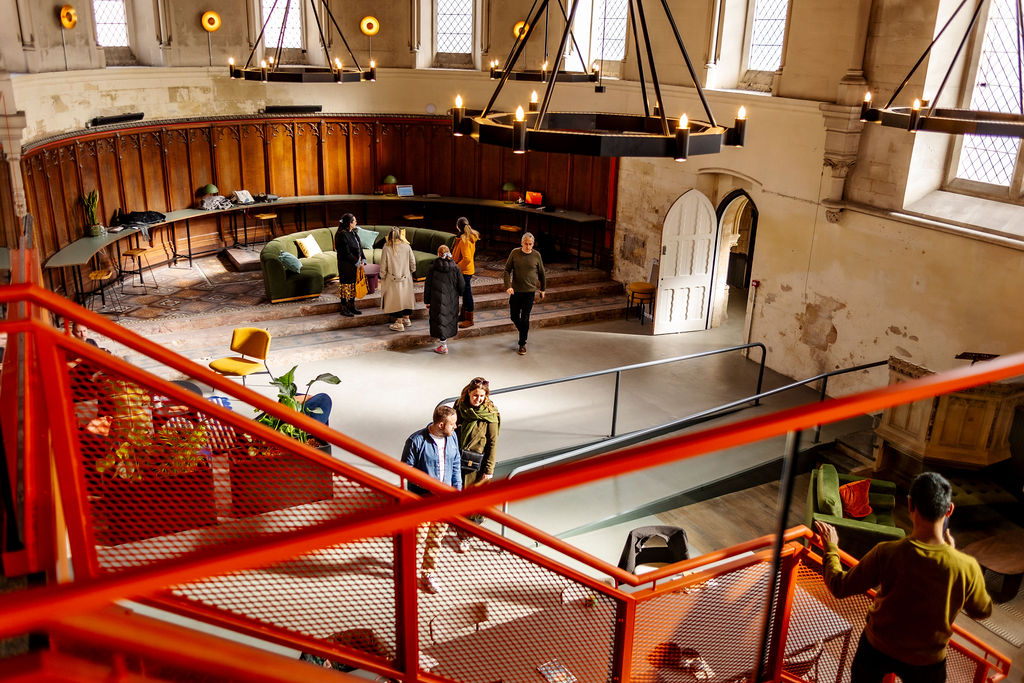
Gather Round is more than a workspace. It’s a creative hub with fantastic amenities, including:
Designed by creatives for creatives, we offer a packed events calendar, numerous collaboration opportunities, and a welcoming atmosphere.
With over 100 members already on board, you’ll become part of a supportive network of like-minded individuals. As a studio member, you’ll have full access to all community events, perks, and chances to connect with fellow creatives. At Gather Round, community is at the heart of everything we do. Whether you’re a morning person who enjoys fantastic pastries and a good conversation at our breakfasts or someone who prefers to join us for team drinks later in the day, we have something for everyone! With the sun finally shining, we can’t wait to landscape our outdoor space for summer picnics; we will definitely make passersby jealous!
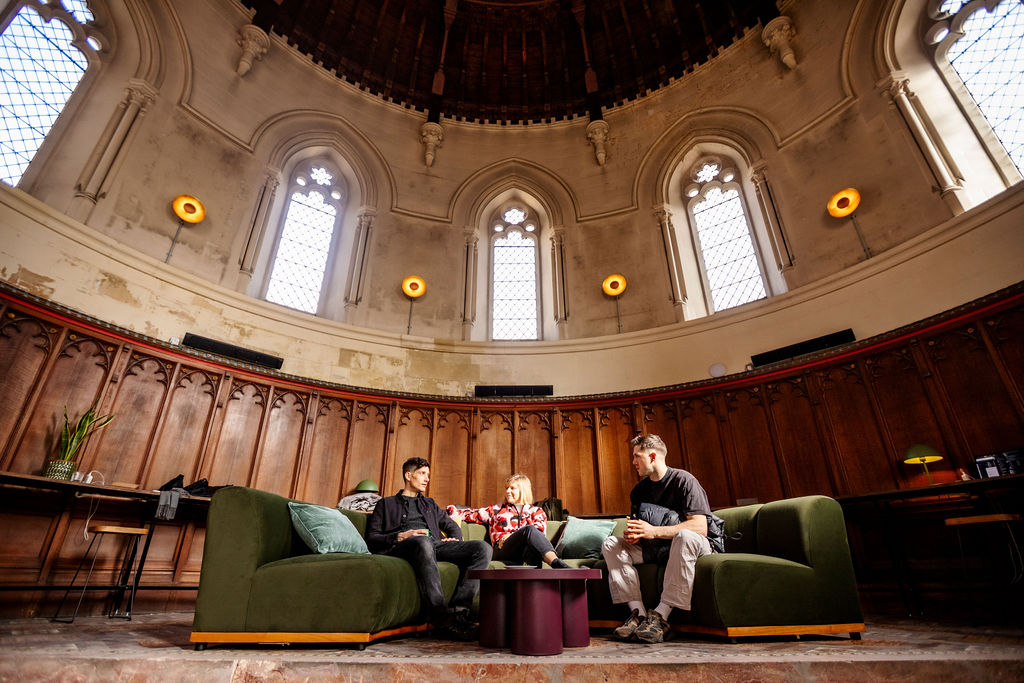
Get in touch today to book a tour and experience the Gather Round community for yourself!
Photo credit to Julian Preece.
Business Leaders & HR are under a lot of pressure here in the South-West. Employer NI increases are now with us, limited budgets, and rising expectations from talent. So, when you’re building out a benefits package, it’s natural to prioritise the ones that tick the “most people, most of the time” box. But if you want your benefits strategy to build loyalty, protect productivity, and future-proof your workforce, you must think differently. In my experience, utilisation isn’t always the right way to measure the success of a benefit. Some benefits might only impact a handful of people, but for those people, it can mean everything. If we’re serious about inclusive benefits, we must meet people where they are, even if that need isn’t common.
Because some of the highest-impact benefits are the ones your employees won’t use often. They’re the ones that quietly sit in the background until someone has a real need and suddenly, that benefit becomes the reason they stay, not leave. What do I mean by that? Here’s some examples of what that looks like in practice.
For example, Fertility & Reproductive Health Benefits. Offering fertility support (Egg freezing, IVF, donor support, surrogacy navigation) can feel and sound like a niche benefit. Most employees won’t use it. So why invest?
Because the absence of support comes with hidden costs. Research tells us that 1 in 7 UK couples experience fertility issues. IVF takes a physical and emotional toll: constant appointments, hormonal treatments, failed cycles…all while employees try to show up at work. Many reduce hours, take sick days, or even quietly leave during treatment. Others are forced to spend tens of thousands privately, causing financial and emotional stress. This disproportionately affects women in their 30s and 40s. But it doesn’t stop there: LGBTQ+ employees face unique financial and medical hurdles to build families. Without support, they’re more likely to churn or disengage. Offering benefits here isn’t just about doing the right thing; it’s about retaining high-value talent at a moment when they have big life choices to make. And for every employee who doesn’t use it? They see the offer. They see what kind of employer you are.
Keeping on the similar theme, another example is keeping Workplace Nursery Schemes. Childcare is the *1 reason working parents (especially mothers) scale back or leave the workforce. It’s not anecdotal. It’s backed by data across every sector. Workplace nursery salary sacrifice schemes reduce the cost of registered childcare by allowing payments from gross salary. This can mean thousands saved per year. And not from your HR budget, but via tax-efficient mechanisms. It’s one of the most financially meaningful benefits you can offer parents, yet uptake remains low in most organisations. Why? Because many employers don’t make the most of communicating it. Offering this benefit (and making it visible) removes one of the biggest logistical and emotional barriers to returning after parental leave. And it doesn’t just keep people in their jobs; it helps them re-engage faster, with fewer compromises and more long-term commitment.
Finally, another example are Income protection and Critical Illness benefits. When an employee becomes seriously ill or injured, it’s not just a health crisis, it’s a life interruption. Suddenly, work becomes impossible. And without structured support, income often disappears just when stability is needed most. Income protection fills that gap. It ensures an employee continues to receive a portion of their salary while they recover, allowing them to focus on getting better, not on whether they can pay their mortgage. And that continuity materially improves the odds of a full, confident return to work.
For Business Leaders and HR, this is where lower-utilisation benefits prove their worth. Income protection shortens recovery time, reduces presenteeism, and increases the likelihood that skilled, experienced employees don’t exit permanently. And when other team members see that their employer has their back, even in worst-case scenarios, it builds a level of trust that policies alone can’t buy.
All the above examples do not scale…and that’s the point!
Low-utilisation benefits aren’t supposed to serve everyone, every day. They’re designed to catch people in their most vulnerable, high-stakes moments. That trust is a lever for everything you care about retention, engagement, productivity, culture.
Business Leaders and HR often get told to “think creatively & strategically.” (This is the Bristol Creative’s Community, right?) Here’s the truth: empathy is strategic. Investing in benefits that show foresight, nuance and care is how you build a workforce that stays, grows and delivers. Because when your employees are most in need, they won’t care about your summer social. They’ll care about whether you were there when it counted.
And if you were? They won’t forget it.
UWE Bristol and Bristol Creative Industries (BCI) have formed a new partnership to support Bristol’s thriving creative businesses and provide enhanced careers opportunities to students entering the industry.
Bristol Creative Industries is one of the UK’s leading membership bodies for businesses and freelancers working in the creative sector. The not-for-profit organisation provides training and skills development, facilitates networking and business connections and supports sector growth, and currently has a membership of over 1,100. UWE Bristol will play a leading role in developing BCI’s student engagement and growing student membership.
With a rich creative and cultural sector in Bristol and the wider region, the partnership has been designed to offer insight and career opportunities to thousands studying courses rooted in the creative industries, including marketing, events, filmmaking, photography, media and communications.
Current and recent students can join BCI for free. Student members will have access to speaker events, placement and employment opportunities, and career advice from BCI members, which currently include Aardman, the Watershed and Bottle Yard Studios, giving students real-world experience and insight into working in the industry.
The partnership also aims to benefit BCI members, by developing a network of trained students who will make up the future workforce within the region and are ready to enter the industry.
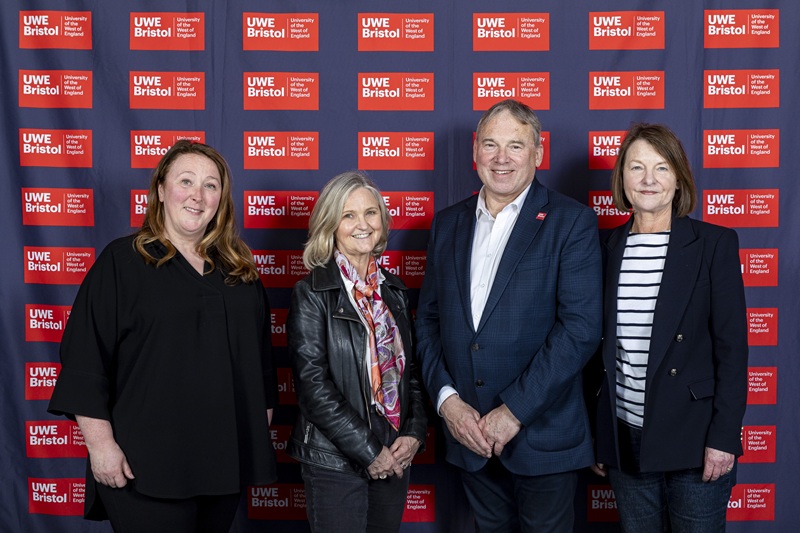
Lynn Barlow, UWE Bristol’s Assistant Vice-Chancellor for Creative and Cultural Industries Engagement, said:
“This is a really exciting opportunity for students and for Bristol’s creative industries more widely, as we support Bristol Creative Industries’ strong network of businesses and freelancers with fresh student talent. We’re really proud to be playing a leading role in such an important organisation.
“At UWE Bristol, our programmes are designed with industry to ensure our students are meeting the needs of their future employers and are work-ready. Our partnership with BCI bolsters this further, by offering students greater access to creative businesses of all sizes for invaluable industry insight and career opportunities.”
UWE Bristol and BCI officially signed a Memorandum of Understanding (MoU) at the University’s Bower Ashton campus, which will commit both organisations to developing and supporting BCI’s student membership offering.
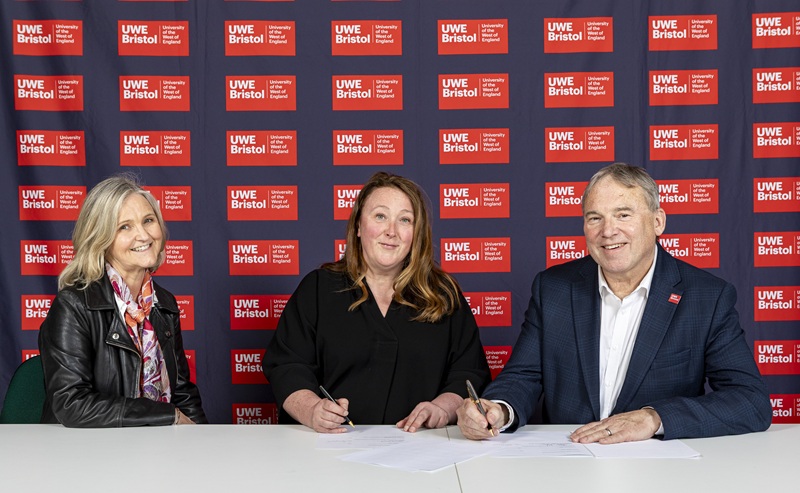
Lis Anderson, Bristol Creative Industries co-chair, said:
“Talent and skills development is a top priority for our members and this partnership will facilitate early access to emerging talent for our members, at scale.
“Building upon strong connections with education providers in the region, UWE Bristol’s breadth of programmes and BCI’s membership base of employers will work to bridge the gap between education and industry, enabling many students from a wide variety of backgrounds to unlock new opportunities and career pathways right here from the creative hub that is Bristol.”
The UK employee benefits landscape is shifting (as always), and business leaders and HR must be prepared. With new regulations including pay transparency laws in the EU, NI increases in the UK, and proposed pension reforms businesses need to stay ahead to ensure compliance while also managing costs and employee expectations.
At first sight, these changes might seem like yet another regulatory burden, but in reality, they offer an opportunity for Business’s here in the South-West to improve transparency, refine benefits strategies, and enhance the employer brand. The key is knowing how to navigate them effectively.
What’s changing?
Firstly, the EU Pay Transparency Directive
What’s that?
In a major move toward greater pay equity, the EU has introduced the Pay Transparency Directive, which will take full effect by June 2026. This regulation is designed to combat pay gaps by ensuring salary clarity and fairness across workplaces.
For Businesses, this means new obligations, including:
Salary transparency during recruitment: Employers must disclose salary ranges in job postings and are prohibited from inquiring about candidates’ salary histories.
Gender pay gap reporting: Organisations with at least 150 employees are required to report on gender pay gaps, with the threshold decreasing to 100 employees after four years.
Right to pay information: Employees can request information on average pay levels, broken down by gender, for categories of workers performing the same work or work of equal value.
While these rules may present administrative challenges, they also push businesses to be more transparent about their pay structures, which can boost trust, attract top talent, and improve retention. The companies that embrace this shift early—by conducting internal salary audits and ensuring pay structures are equitable—will find themselves in a stronger position than those scrambling to comply at the last minute.
Next up..NI increases
In the UK, employer National Insurance Contributions are set to increase from 13.8% to 15% tomorrow! This means a direct rise in payroll costs for businesses, potentially squeezing budgets further in an already challenging economic climate. To manage this impact, many businesses are turning to salary sacrifice schemes, where employees trade a portion of their salary for benefits like pension contributions or other tax-efficient perks. This approach can reduce the NIC burden for both employers and employees while ensuring that workers still receive valuable benefits.
As payroll costs rise, Businesses and HR will also need to re-evaluate benefits spending and look for ways to offer impactful benefits without unnecessary cost increases. Smart benefit strategies such as financial wellbeing programs can help businesses remain competitive without simply increasing salaries.
Thirdly, Pension reforms
Pension reform is also evolving, with a focus on expanding auto-enrolment and increasing minimum contributions. Proposed changes include
These reforms aim to boost retirement savings, but they also increase employer costs and administration.
Saying that, these changes haven’t been made official yet (so a bit of a heads up!) Employers should stay informed about potential future changes to auto-enrolment criteria to ensure compliance and optimal benefits administration (that’s how I can help BTW)
What’s that all mean for Business Leaders and HR?
These regulatory shifts may feel like another compliance headache, but they also create opportunities to refine HR strategies and position businesses as leaders in fair pay and employee wellbeing.
From a compliance perspective, failing to align with these new laws could lead to financial penalties, reputational damage, and even employee lawsuits. Payroll will need to stay on top of NI changes, while preparation for pay transparency reporting requirements and ensure pension enrolment processes are ready for possible reforms is needed.
On the cost side, companies will need to navigate higher payroll expenses from NIC increases and potential pension changes, meaning efficient benefits management will be more important than ever. Instead of simply increasing salaries, businesses can optimise a “total rewards strategy” to ensure every pound spent on employee benefits is meaningful and effective.
But beyond compliance and cost control, these changes also offer a competitive edge. Businesses that embrace transparency, invest in employee financial wellbeing, and optimise benefits to meet new expectations will stand out as top employers by attracting and retaining talent in an increasingly benefits-driven job market here in the South West.
So…How to stay ahead? Here’s some practical steps
Prepare for pay transparency now
Start by conducting an internal salary audit to identify and fix any pay disparities before public reporting requirements take effect. Train managers on fair pay practices, and ensure job ads include clear, competitive salary bands. Taking proactive steps now can prevent compliance issues later.
Offset NIC increases with intelligent benefits
With employer National Insurance contributions rising, rethink your benefits strategy. Salary sacrifice schemes can reduce payroll tax burdens, while flexible benefits platforms allow employees to choose perks that are cost-effective yet highly valued.
Stay ahead of pension changes
Even though pension reforms aren’t yet law, businesses should prepare by reviewing auto-enrolment processes and exploring ways to enhance pension contributions in a cost effective manner. Communicating clearly with employees about their pension options will also be essential in boosting engagement.
Automate and streamline benefits management
Manually handling pay transparency reporting, NIC adjustments, and pension enrolment is a time-consuming burden for HR teams. Investing in intelligent benefits technology to automate compliance, simplify payroll adjustments, and provide real-time insights to optimise benefits strategies.
Gold: Best Expression of a Brand on Social Media Channels
Bronze: Best Use of Copy Style or Tone of Voice
The Transform Awards celebrate excellence in brand strategy and execution across Europe. saintnicks’ work with Ascot Racecourse brought to life the brand’s creative platform, Elegance at Play – combining social-first storytelling, a distinct tone of voice, and thumb-stopping, jaw-dropping content that captured the attention of both loyal racegoers and new audiences alike.
Speaking on the win, Fraser Bradshaw, CEO at saintnicks, said:
“We set out to create a truly ownable brand voice and world-class social content that matched Ascot’s stature as an iconic British institution. To see that work recognised is a brilliant moment for the team and a testament to the power of brave, collaborative thinking.”
If you’re after a creative brand agency that will go the extra mile for your brand, drop saintnicks a line. You can find out more about their brand, campaigns, content and digital expertise here, or reach out to their Client Services Director, Francois d’Espagnac.
Mothers in the creative industries are an often overlooked force. While women are already underrepresented in creative roles, the challenges multiply when motherhood enters the equation. Despite this, countless creative mothers are making it work, balancing passion and profession whilst raising the next generation.
Today, we want to spotlight a few of our Gather Round working Mums. With their stories, we explore the realities of being working mothers in the creative industries—the triumphs, the struggles, and the unexpected ways motherhood shapes creative careers.

I was at Browns Design when pregnant with both my daughters, and one of two women that worked there at that time. Pregnancy was relatively new to the agency then, and the team were generally super supportive. In hindsight, agency life back then (2004-2010) was intense and a bit of a rollercoaster – I had no idea how incompatible small agency life and motherhood would be.
After having my second daughter in 2010, and realising 3 days wouldn’t work, I felt like I had to leave and try another way. I set up Writing + Thinking because I had no option. It felt like a massive leap of faith but it paid off. The ability to work to my own rhythm, to choose who I worked for and to steer the direction of my own career felt blissful. As stressful as the constant work hustle was/is, I’m grateful that I’ve been able to focus on and hone a skill that I get immense pleasure from.
The pay-off as a parent is hard to measure. The ability to go watch your child being a sheep in a nativity time and time again, to be able to take and collect from school, and to have the capacity to take days off for swimming or just feeding the ducks at the park. This is gold.
What I realise looking back, is that the contrasting worlds of freelancing and parenting taught me vital skills. The juggle of very different worlds, exceptional time management, how to style it out when covered in crusty stains, etc. I think the intense contrast between the two worlds help keep your feet on the ground in the sometimes, high drama of creative practice.
The constraints of my situation made me focused and resilient. I treated writing like a muscle I needed to flex to keep getting better at it. I became more fearless, took risks and proved myself wrong in the face of self doubt. I kept learning, wanting to be a role model to my daughters, and to show them that you can build something small and sustainable whilst being a present and active mother.
My partner is also self-employed as a graphic designer which felt crazy and wobbly as we embarked on raising our second child. But I think our combined flexibility enabled us to cut our cloth accordingly when dealing with sickly children, nativity plays, meetings, work trips, etc.
I think as caregivers, we have been trained to react to the unexpected (vomit on lap pre meeting), deal with sleep deprivation (mainlining coffee) and find humour in the darkest situations (too many to mention).
Creatively, I think this crazy hustle juggle makes us more loose and less perfectionist. This is a total gift.
Mother & Founder of Writing & Thinking

My return to work in 2016 after my first child was messy to say the least. Aside from the usual battles that new parents go through (keeping a tiny person alive is a full time job in itself!), my boss at the time turned into a bully. She had no children herself and zero empathy for what I was trying to get to grips with. Micro managing me to the max and layering on more and more work when I had already flagged several times that I was struggling. After only 3 months back at work, I ended up handing in my notice in floods of tears (completely unplanned), when she pushed me so hard she sent me over the edge.
My husband was so supportive when I got home, he told me we could get through it, said I had done the right thing (as he saw the stress she had caused me) and then gently asked me ‘So what do you think you might do now’ at which point I immediately responded ‘I’m going to be a freelancer’. Then followed a fruitful 7 year career of self employment, I managed to balance parenting and work in my own way. When it came to having my second child (4 years into freelancing), I went back to work after only 3 months (sadly statutory Maternity pay that freelancers get doesn’t go far at all). I only worked 2 days a week initially, I chose my own hours and it really worked for me. Thankfully the Bristol based media company I was working for at the time totally understood my needs and respected my family commitments.
In a strange way, I have no regrets, my old boss forcing me into the freelance world actually did me a big favour, my career progressed rapidly and went in a whole new direction. At the same time, there still lingers a bit of resentment that I was put under so much unnecessary stress – it’s quite sad that some people are so lacking in awareness of what parenting really entails.
Working for Gather Round has been a game changer for me. Aside from the fact that I love what I do, Ben and Jason have full trust in me to deliver my work so they leave me to it. The hours are genuinely as flexible as when I was freelancing, but with the security of a full time job – I feel so lucky to be in this position as I know so many others are struggling away in silence.
Mother & Director of Marketing at Gather Round

After graduating in 2000, I joined a digital agency where my job title was “Multimedia Designer”. (Remember interactive CD ROMS? – I designed those!) The early noughties were the heyday of the dot.com bubble and we were fully embracing the “work hard, play hard” kind of culture. It was a really fun and exciting time to be involved in the creative industry. Witnessing and being part of how the internet took off was incredible, and my job quickly evolved from “multi-media designer” to “web designer”. We were feeling invincible, landing big clients, pulling all-nighters to meet tight deadlines, and very much burning the candle at both ends – Something you are able to do in your 20s when you only have yourself to look after. None of my co-workers or company directors were parents or remotely even close to that…
Looking back on a culture that would not have lent itself in any way, shape or form to parenthood, it’s not really surprising that it also did not prove to be sustainable. The dot.com bubble swiftly burst, and it wasn’t long until my boss delivered the news we were all going to be made redundant (which he did in the style of Alan Partridge when he didn’t get his 2nd series…) This neatly led me into freelance web design (most people from the agency still worked together on a collaborative freelance basis, which worked much better without the fancy office, large bar tabs and other large agency overheads.)
Fast forward a few years, I was still freelancing by the time I gave birth to my daughter. As a freelancer, I was far too scared to take maternity leave (statutory maternity pay was not generous.) I really didn’t feel comfortable telling my clients I was going to be a mum in case they lost faith in my ability to deliver my work to the best of my ability and on time, and seeing as I worked remotely, there was no need to let them know. This, unsurprisingly, proved fairly stressful, exhausting and overwhelming. Working when the baby slept or while I was feeding her was tiring, to say the least. All the while harbouring resentment for the other mums I met who were able to take months off work and still get paid!
All that said, I knew I didn’t have the dooming sense that I would have to go back to work after maternity leave was over and I could still spend time with my daughter. (I would question whether this was actually quality time!) However, if I had to do it all again, I would probably make exactly the same choices.
Once my daughter was in school full time, I felt it was time to get a “proper job”. I really wanted the stability of a regular income and to be part of a team again. I managed to land what was a complete dream job – a creative marketing manager role working remotely for an online beachwear retailer. The directors were twin sisters, and both were parents who understood that working around school hours needed to be a priority. Not that I ever felt this was entirely achievable, and I always found myself working more than I should. Sadly, the beachwear retailer did not survive the travel restrictions of the Covid lockdowns, which is when I found myself freelancing once again. This is also how I came to be a member of Gather Round, which I find invaluable, to say the least. The creative co-working community is so great for the amazing social and useful professional connections that I utilise all the time.
Being a single, working mum certainly has its challenges. I will never feel I am doing enough, and I feel a huge amount of pressure to support myself and my daughter financially within the limitations of also being present for her. But I will never forget how lucky I am to be a parent, and being able to sustain a career where I can be at home when my daughter gets home from school every day is something I choose to prioritise and something that I will never take for granted. Challenges and all, I would not change a thing.
Mother & SEO Specialist

The creative industries have a big diversity problem, and the lack of working mothers is one of the many ways this shows up. I’m Head of Marketing & Partnerships at Fiasco, a brand and digital agency based in Bristol. I came straight out of maternity leave (bleary-eyed and sleep-deprived) into this role almost four years ago, so I haven’t worked as a mum in any other setting.
However, I’d say my experience at Fiasco is probably an anomaly. We have policies that make day-to-day life much easier: extra childcare days, flexible hours, and Summer Hours (Fridays off during the summer). Above all, it’s the way they treat everyone, not just me, that makes all the difference. I work 30-hour weeks, but I never feel like I’m “just part-time.” Here, every single person is a valued member of the team. While I don’t work with other mums, plenty of the dads share childcare duties, so there’s no judgment when I need to do the school run because childcare plans fall through (we’ve all been there).
I can count on two hands the number of women I know in the design industry who are mothers. More might be out there, but they don’t make it known. And that’s a shame. There should be no stigma around being a creative mum. In fact, being a mum has made me better at my job; I’ve developed a laser-sharp focus, I can cut through the BS, and am more motivated than ever to be a role model for my daughter. Who, by the way, is already super creative because she sees me not just doing it — but genuinely enjoying it.
Mother & Head of Marketing at Fiasco
As Kendra, Danie, Rosie and Nat have shared, being a mother in the creative industry isn’t just about struggle—it’s about resilience, adaptability, and transformation. Each of these mothers has navigated the challenges in their own way, proving that creative careers can (and should) evolve to better support parents. Those days of having a stay-at-home caregiver are behind us, and it’s time for the world to step up and adjust to these changes.
At Gather Round, we believe in fostering a community where creativity and caregiving can coexist, where mothers don’t have to choose between their passion and their family. Their experiences remind us that supporting working mothers isn’t just the right thing to do—it’s an investment in a more inclusive, dynamic, and inspired creative industry.
Here’s to the mothers. We see you. We respect you. And we celebrate everything you bring to the table.
Follow us on insta for more news on our community. Or book a tour to meet our community IRL.
AI is transforming employee benefits—enhancing engagement, streamlining admin, and driving smarter decisions. Let’s explore how AI-powered personalisation, automation, and predictive analytics are shaping the future of benefits in and around Bristol.
Better decision making. Enhancing employee engagement…AI is changing benefits, fast. From reshaping how companies design benefits to how admin manage them, this tech is like nothing we’ve seen before.
So, how exactly is technology shaping the future of employee benefits? Let’s delve deeper into some of the most significant trends and predictions.
1. AI-driven personalisation
One-size-fits-all benefits packages are quickly becoming a thing of the past. Employees today expect benefits tailored to their unique needs and lifestyles. AI is making this a reality by analysing vast amounts of data—demographics, preferences, claims history, and even engagement patterns—to recommend the most relevant benefits for each individual.
For example, AI-powered benefits platforms may soon be able to suggest healthcare plans based on an employee’s past usage or recommend well-being programmes tailored to their stress levels or fitness goals. This kind of personalisation could help companies deliver benefits that really make a difference for their workforce, ultimately leading to greater satisfaction and retention.
2. Streamlining benefits administration with automation
AI and automation tools are changing the game by handling repetitive administrative tasks such as enrolment processing, compliance checks, and payroll integrations.
By automating these functions, Business Leaders and HR teams can free up valuable time to focus on strategic initiatives, such as improving employee engagement and workforce planning. Moreover, automation minimises errors, ensuring that benefits data remains accurate and up-to-date.
3. Improving employee experience with chatbots and virtual assistants
People Leaders frequently receive queries from employees about their benefits—ranging from eligibility and coverage details to claims procedures. AI-powered chatbots and virtual assistants can provide instant, 24/7 support to employees, answering common questions and guiding them through benefit selections.
This reduces the burden on Business Leaders and HR teams while ensuring that employees get the information they need when they need it. Plus, chatbots can proactively remind employees about key deadlines, such as tax periods or required documentation submissions, helping to improve overall engagement with benefits.
4. Leveraging predictive analytics for smarter decision-making
AI is already improving how benefits are administered, but what if it could also help companies make strategic benefits decisions? Predictive analytics tools will soon be able to analyse trends and employee behaviour to help HR teams anticipate future needs.
For example, AI could forecast which benefits are likely to see higher utilisation based on historical data, enabling companies to adjust their offerings accordingly. This would help Business Leaders and HR teams make data-driven decisions that align benefits with workforce needs, budget constraints, and overall company objectives.
5. Ensuring fairness and transparency in benefits access
AI-driven benefits platforms can also help eliminate bias in benefits administration. By analysing data objectively, AI can identify gaps in benefits utilisation among different employee groups and highlight areas where adjustments may be needed to ensure inclusivity and fairness.
For example, AI might reveal that certain demographics within a company are underutilising mental health resources due to a lack of awareness. Business Leaders can then take targeted steps to address these gaps, ensuring that benefits are truly accessible to all employees.
So…
What’s the take-away? Balancing innovation with a human touch
While AI offers incredible potential in the employee benefits space, it’s essential to balance automation with human oversight. The goal should be to enhance Business Leaders and HR’s ability to provide meaningful, personalised benefits—without removing the human element that makes employee support truly effective.
By embracing AI, companies here is the South West can not only improve efficiency but also create benefits experiences that employees love. The future of employee benefits is here, and it’s smarter, more personalised, and more impactful than ever before.
To learn more about what emerging technologies are bringing to benefits get in touch.
You need to load content from reCAPTCHA to submit the form. Please note that doing so will share data with third-party providers.
More Information