
I was having lunch, watching an interview with Joanna Stern, formerly of the Wall Street Journal, and within minutes I was wincing. He was making a dog’s dinner of it. Twenty years running one of the most scrutinised companies on earth, and he sounded like a new hire fumbling through his first big meeting.
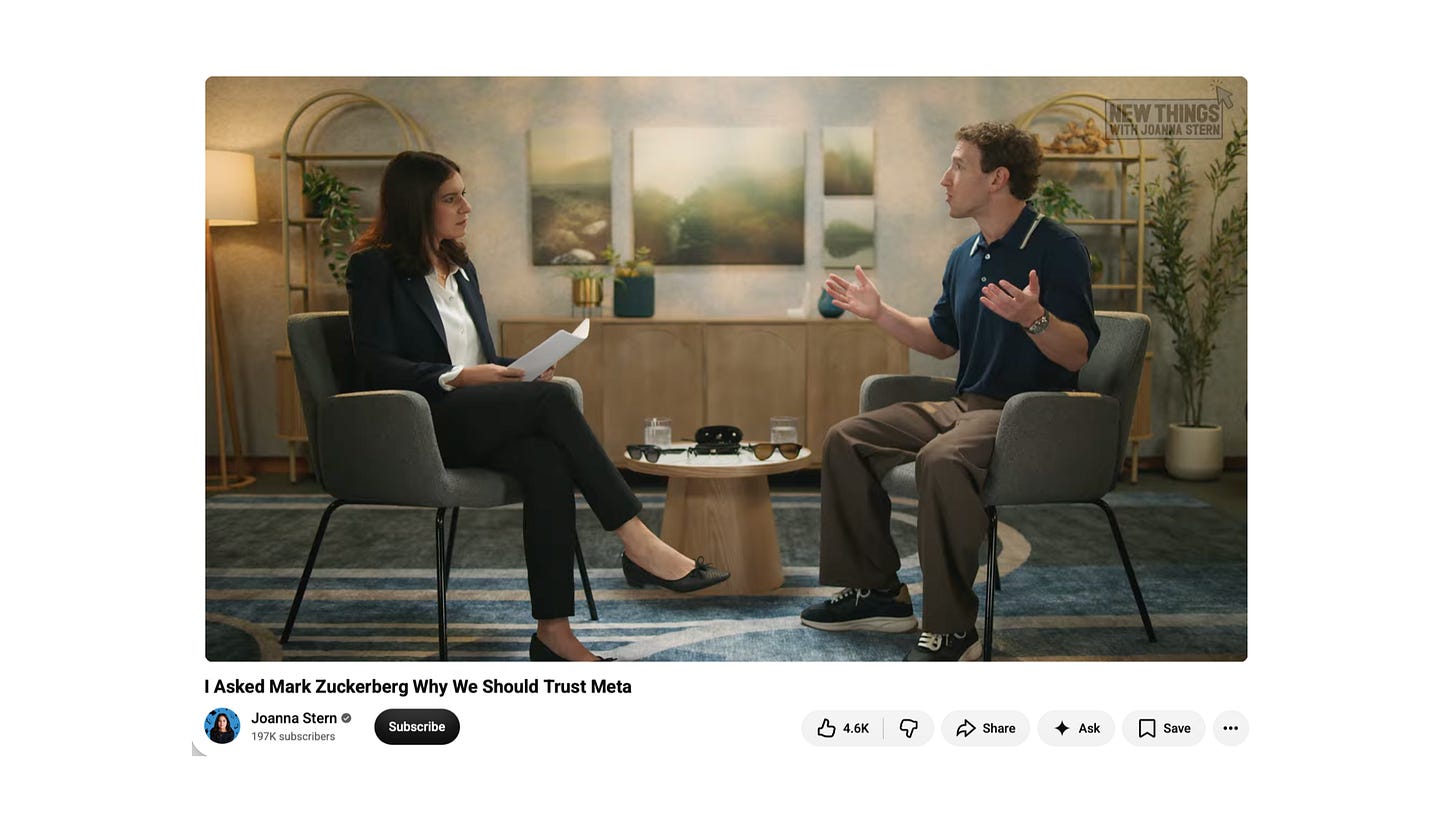
I counted five habits working against him. Here are two that matter most.
01 – He says a lot of nothing
I watched the interview over two lunches. I can’t remember a single example he used. They’re vague, generic, cotton wool. Nothing to grip.
I get it. He’s in a legal corner, and every word is lawyered. But that’s exactly why he needs a well-built story. A good story lets you be careful and still be memorable. Fuzzy examples frustrate the room.

He never lets it breathe
Stern opens with “Is AI gonna kill us?” Zuckerberg replies with “well… um… I mean… look I mean.” He jumps feet first into every gap. Two seconds of silence would have said so much more.
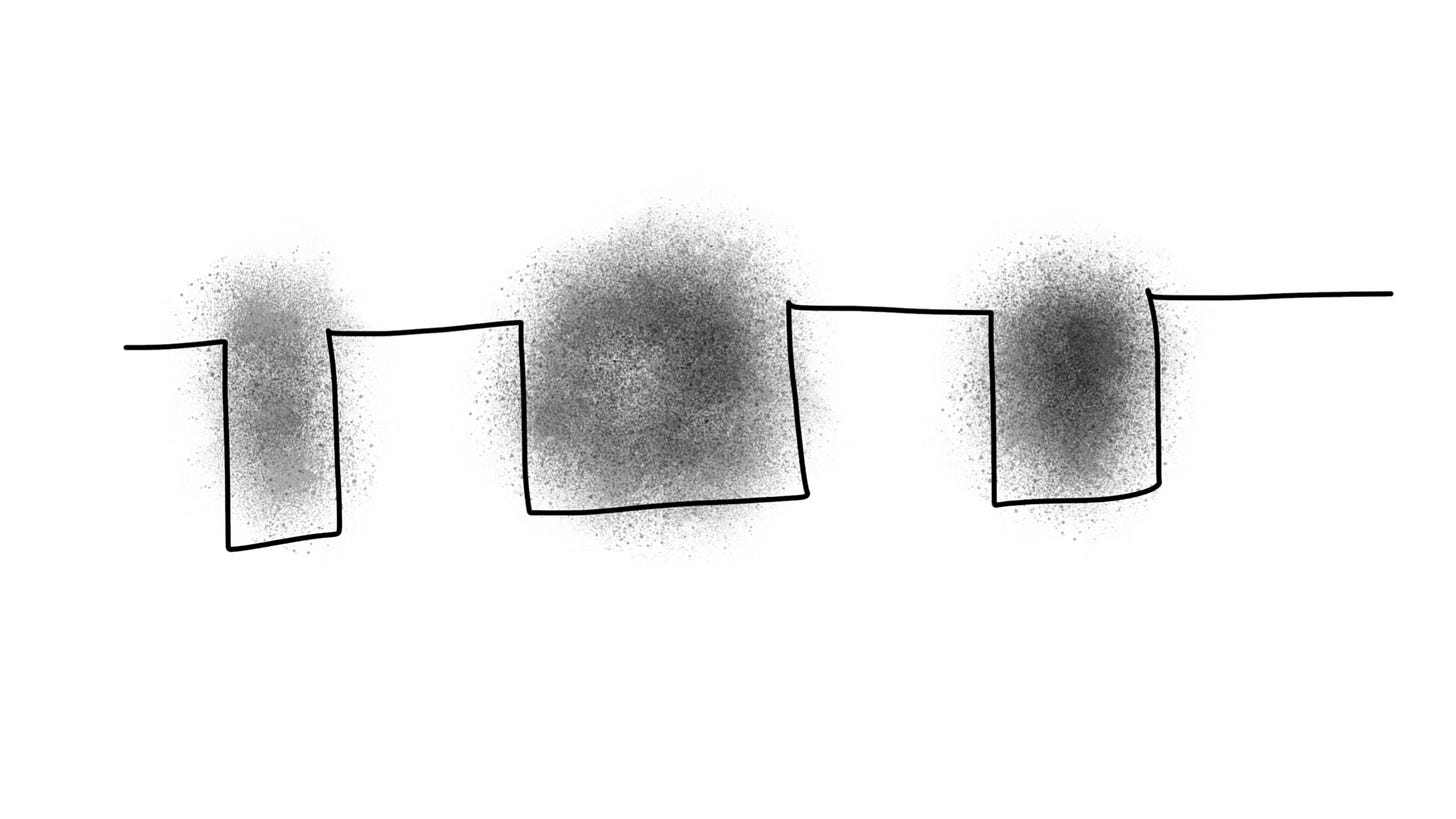
I’s baffled. He had home advantage. His launch, his studio, journalists queuing for maybe 40 minutes each. Hard stop. They’re on the clock. He isn’t. He played like the side chasing the game.
From the coaching room
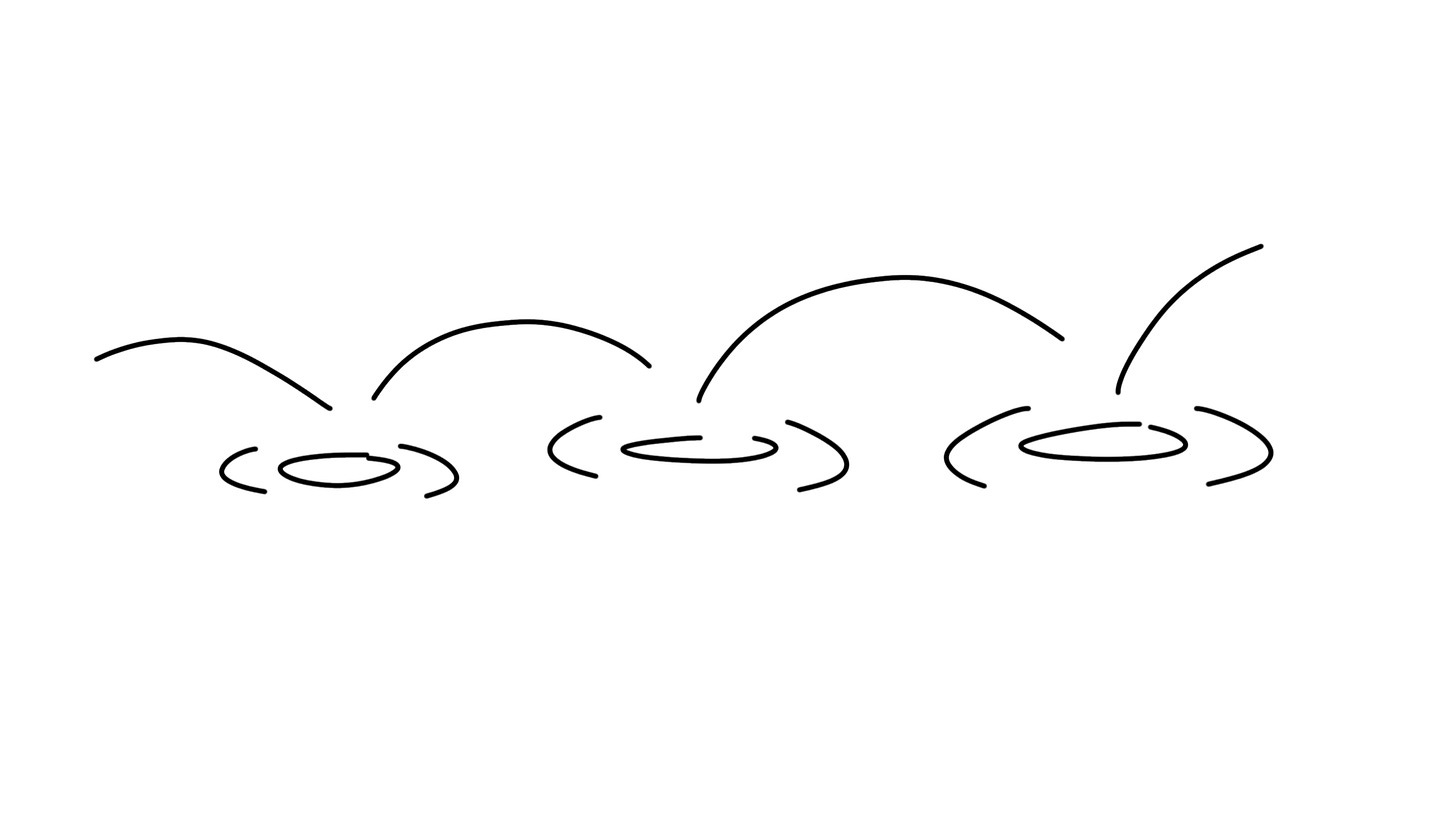
I recently coached the CFO of a global tech company on exactly this. We studied Jensen Huang answering a question without really answering it, and talked about how the audience still left satisfied. I sketched it as a stone skimming across water: wide and shallow, three or four ideas in ninety seconds, then stop. Not avoiding the question. Being intentional.
A week later the CFO told me she could see a journalist’s questions coming a mile off. She was owning her 40 minutes.
What I’d tell Zuck
Count to three. Let them finish. Smile and tell a story.
You know roughly the five things you’ll be asked. Have five stories ready, in short, medium and long versions. Real people, real moments, specific details. All approved by legal. Tell them with passion. That’s what gets remembered.
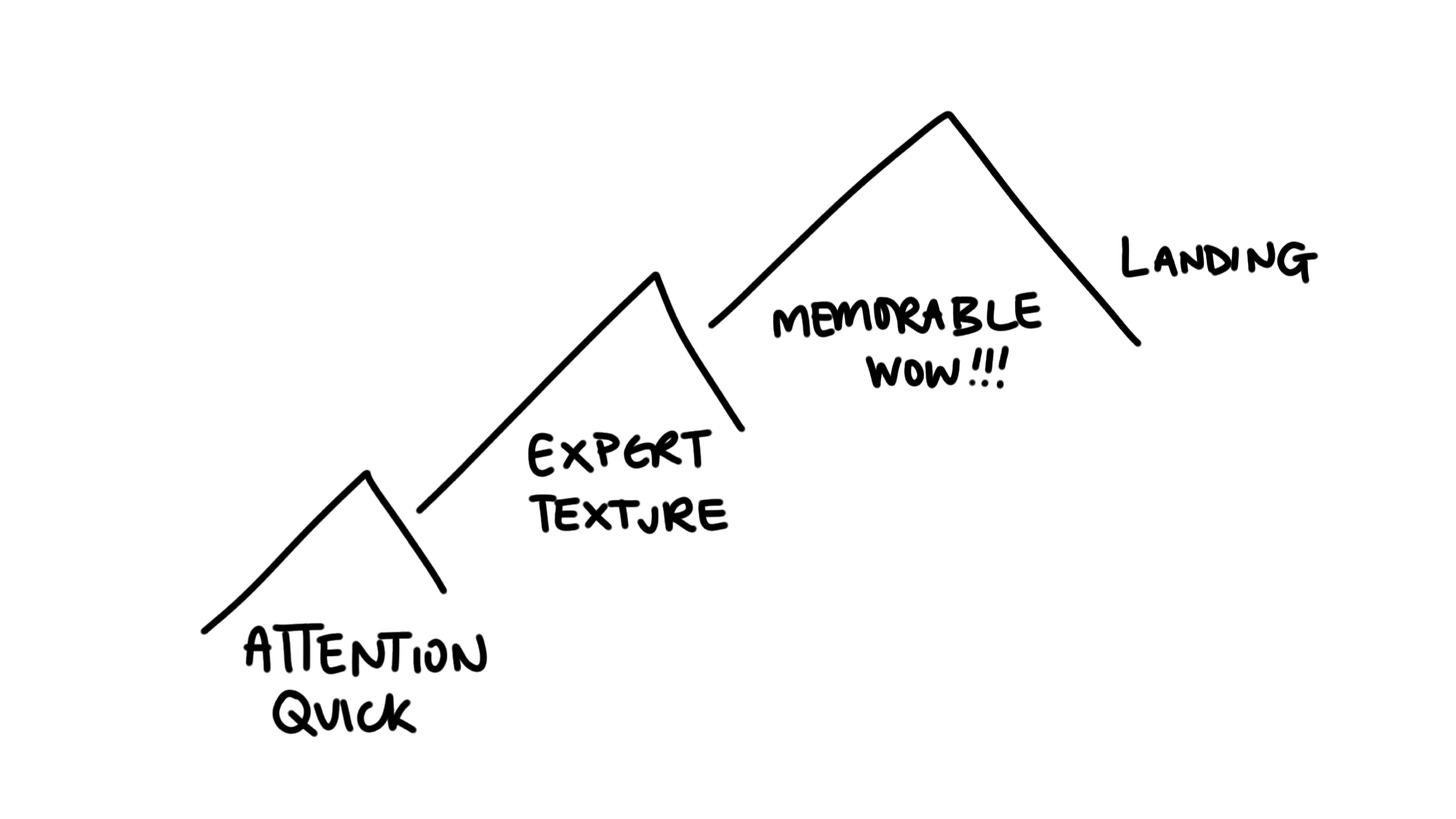
Speaking with intentional pauses isn’t a sign of weakness. Being vague is.
We’ve all been there. The tough question lands, and you hear yourself still talking thirty seconds later, looking for somewhere to stop. Next time, reach for a story.
This morning a YouTube Short held my attention. It was about how NBA players practise shooting.
A decent player takes a thousand shots a day. A better player makes a thousand. The elite players, the Hall of Famers, make one shot a thousand separate times.
If you’re not shooting “game shots from game spots at game speed,” all that volume just makes you good at bad shooting.
I swapped one word. Shots for pitching.
And then I adjusted the number.
Don’t rehearse the same pitch a thousand times. That’s not realistic.
You’re a founder, a leader, a manager, a parent… busy.
Practise the next pitch about 20 times.
And not all the night before. Practice and preparation work when they’re spaced out and deliberate. That leaves time to reflect and adjust.
The goal is not a word-perfect script reading.
Most people practise by polishing the words. They read it again, tweak a line, and read it again. All in their heads, never aloud.
That’s taking shots, but not making them.
Real practice is out loud, into your phone. Recorded. Transcribed and looped back into AI. Scrutinised. Edited. Run again.
Across the small moments of your day: hanging laundry, unloading the dishwasher, in the shower, driving home.
So when the pressure rises, your inner critic pipes up: “See, you’re boring. They’re looking at their phone. They asked the question you didn’t prepare for.”
Real practice builds familiarity and mental models, so your winning instinct arrives before your critic does.
The base layer
Mentality is the first of my five steps to intentional communication. It isn’t a technique. It’s the desire to take the shot.
It’s the mindset to take the feedback, to sit in the uncomfortable reps, and to get through the tough stuff rather than around it.
If you don’t want that, maybe this isn’t for you.
But if you do, the next time your critic pipes up, you’ll already have the answer.
Be good at doing it right.
Ryan Hall stood up to talk about sales. What he actually gave us was a talk about communication.
It wasn’t about how to sell. It was about how the sale looks from the buyer’s side of the table.
His line that stuck: people want the cake, not the ingredients.
The ingredients don’t solve the problem.
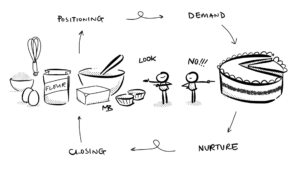
Ryan’s point was simple. The buyer is sitting in a different seat, trying to solve a different problem. Talk from there.
People with a problem want the end result. Your process, method and experience still matter, but they belong in the background, in consistent messaging and positioning, not at the front of the pitch.
Some speakers tease, tease, tease, then finally land something modest.
Ryan didn’t over-egg the pudding.
He was open and direct about his path to success and how he helps others get it.
For someone sketching live, that’s a gift. Each idea arrived clean, so I could sketch it straight away.
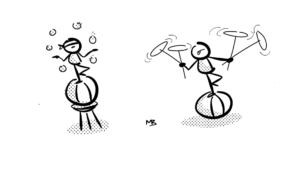
He opened with what busy business owners live with every day: hundreds of decisions. I sketched a blindfolded figure juggling on a ball on top of a wobbly three-legged stool. Next to it, a figure spinning plates. Lots of plates up, no view of the room.
Then he moved to what the buyer wants: the solution. Here’s how I saw his advice. The buyer points clearly at the problem: a wall between them and the value. The expert doesn’t describe the wall. They offer three ways over it: a hang glider, a catapult and a springboard.
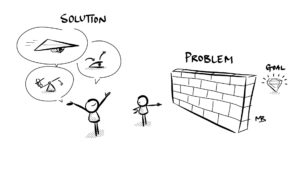
Ryan’s approach is all about building trust. I saw an honest sense of how long the journey is and how many pitfalls there are. Especially when the conversation is only about what the seller thinks is important.
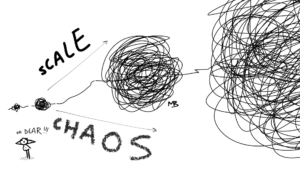
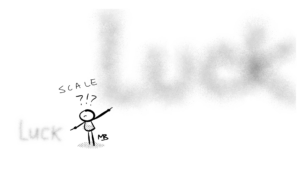
Ryan finished on scale. I loved his take: chaos scales fast, which is exactly what we don’t want, and the mistake we make is betting on luck.
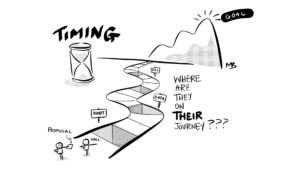
Framed that way, it’s so absurd and so obvious that we can’t ignore it. And once we see it, we can course-correct towards better actions and better decisions.
Afterwards, I chatted with another attendee. We agreed it was good to hear the foundations again. It validates the effort we’re already putting in.
None of it is rocket science. We know eating well and moving more are good for us, and we still find them hard. Selling from the buyer’s seat is the same. Knowing isn’t the problem. Doing it consistently is.
Sometimes you just need to hear it from someone you respect. On Tuesday, I did.
[Download a PDF of all the sketches from Dropbox — link]
Drop me a message if you want me to sketch your event.
What sketching Kit Atlin’s talk at BCI taught me about being wrong on purpose
Most speakers spend their opening minutes proving they belong on stage. Kit Atlin spent hers stepping down off the pedestal.
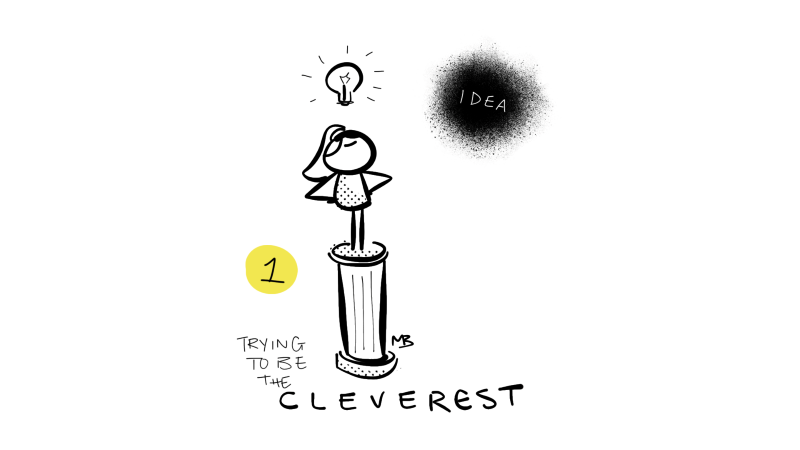
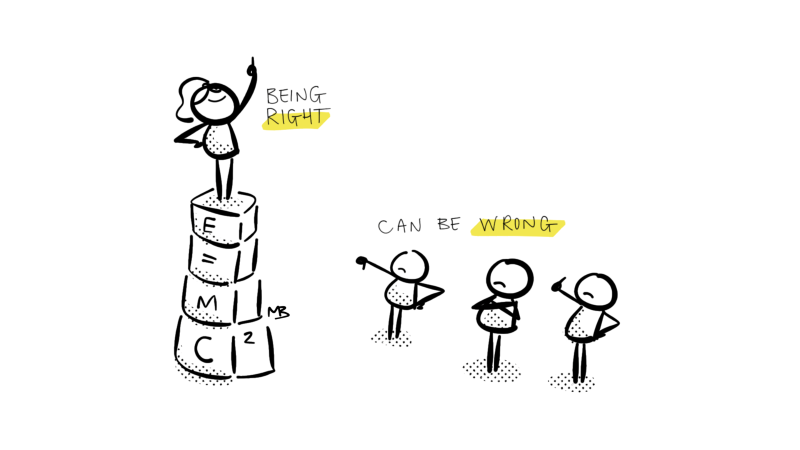
At BCI she promised six mistakes. The first: trying to be the cleverest person in the room. In a creative industry, that one stings like good comedy… because it’s true.
Kit described years of wanting to be the hero, the one who cracked the problem. Then she realised her real job was less glamorous and far more valuable: building momentum for everyone else.
The room nodded.
Sketching a feeling, not a speaker
I don’t watch the speaker. I’m glued to my iPad, sketching what I feel.
I listen for stories I can put a character through: a dilemma, a contradiction, a confrontation, a small realisation. My characters are simple and a bit absurd. Kit’s ideas are hard-won. So how do I sketch ego without drawing a villain? How do I sketch momentum? How do I sketch the difference between a truth that’s felt and one that’s merely correct?
Behind the pen
For “the cleverest person in the room”, I sketched something new: a figure on a pedestal of blocks engraved with E = mc². That figure is Kit, back when she was obsessed with being right. She’s up high, and everyone else keeps their distance. The more correct she insisted on being, the fewer people wanted to stand next to her.
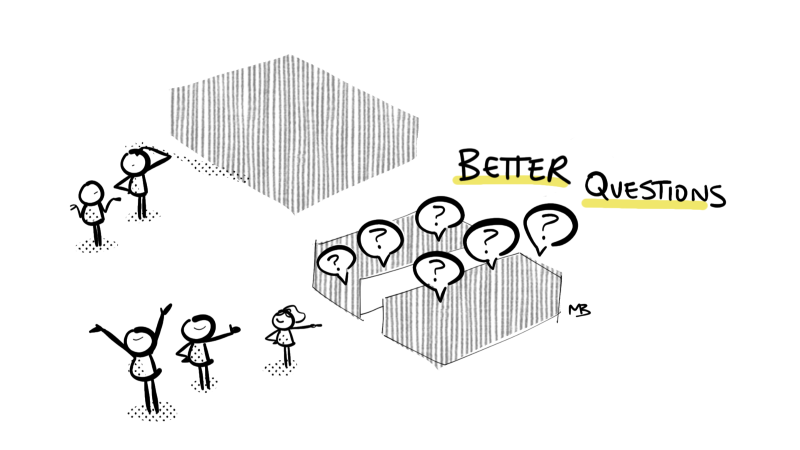
Her antidote was to ask better questions. For that, I turned to a two-beat scene I’ve sketched many times. Beat one: a dense cornfield, a wall of noise nobody can get through. Beat two: the same field with a path cut through it. This time, for the first time, I filled the path with speech bubbles full of questions. Kit’s point: keep asking until you reach the spark that gives the creative team momentum.
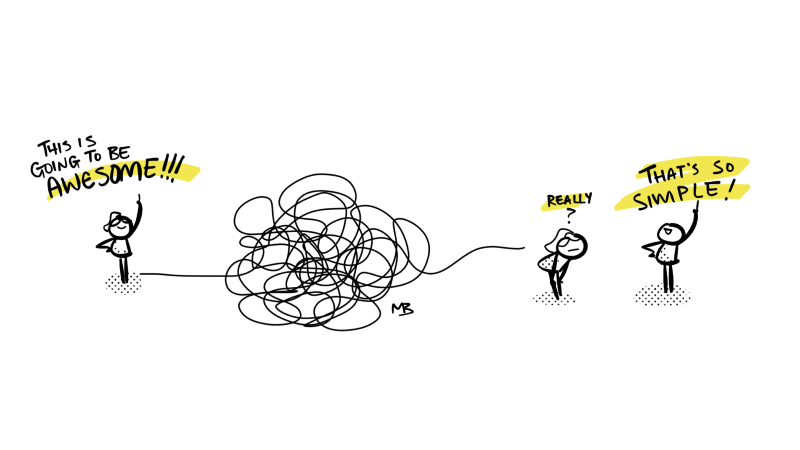
She described strategy, brief and design as a sequence with blurred edges, messy and back-and-forth. On one project involving flamingos, after all that mess, it clicked in a small moment of her morning routine. Afterwards everyone says, “Well, that was obvious.” It was, eventually.
That’s Steven Johnson’s “slow hunch”: you pick an idea up like a Rubik’s cube, turn it for a while, and put it down again. It’s the jigsaw my daughters and I have been doing since the summer, ten minutes before dinner, a few pieces at a time. The messy middle isn’t a rush for gold. It’s patient return.
Frameworks get the same treatment. Kit sees them as a compass bearing, not the journey. Pour an idea into a model and it won’t come out better on its own. The value comes from pushing against it and bending it.
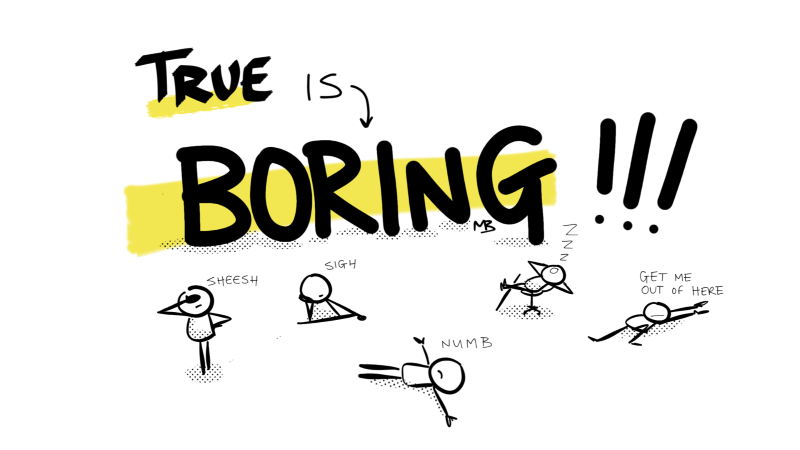
Then came my favourite: “True is BORING.” I drew it big. At home we’ve been reading Calvin and Hobbes, and one strip ends in a gloriously hand-lettered BORING. My eight-and-a-half-year-old read it out at full volume. For her, if it isn’t K-pop or Scooby-Doo, it’s boring. I couldn’t resist filling the page with characters sighing, face-palming and dozing off.
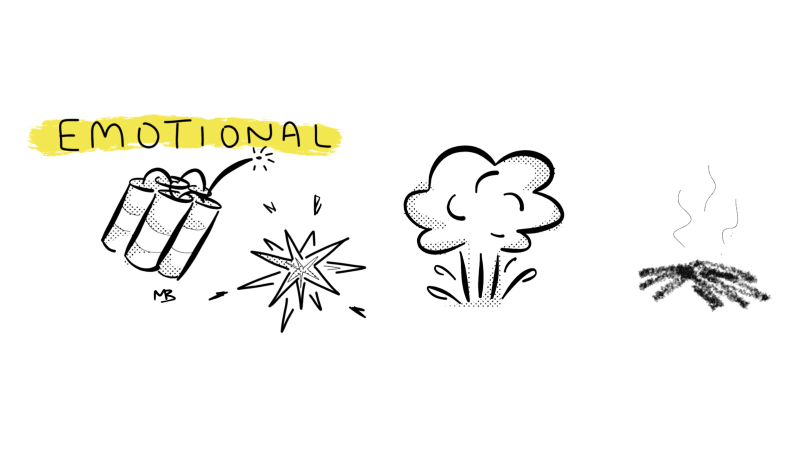
Kit’s way out of boring was tension, which leads to “emotional dynamite”. I drew the whole chain: fuse, blast, mushroom cloud, cinders. Strategy lights the fuse, and the creative work detonates in a way that connects with its audience.
The landing
Kit closed by looking back on how far she’d come. She’d once expected expertise to feel like enlightenment, a Jedi calm where you simply sense the answer. It doesn’t. You just get “less wrong”.
So I crossed out my meditating figure and drew a character running flat out. One arm points the way, and they’re looking back at the team: I don’t know exactly where we’re going. I’ve done this many times. It won’t be perfect. We’ll be less wrong than last time.
That also describes my own practice. Live sketching is always a sentence behind the speaker. While I was finishing the boring scene, Kit moved on to “flat action”, and I only caught the edge of it. I sketched it anyway: a strong opinion on the page, ready to be revised. Exactly what she was asking us to do.
The sketches aren’t a transcript. They’re a record of what it felt like to hear her, and that feeling is what makes a message stick.
Download a PDF of all the sketches from Dropbox.
Drop me a message if you want me to sketch your event.
You need to load content from reCAPTCHA to submit the form. Please note that doing so will share data with third-party providers.
More Information